The Dispersal Push
Several European countries have built visitor dispersal into their national tourism plans. France aims to reach €100 billion in annual spending by international visitors by 2030, a 29 per cent increase from last year's figure, without adding to congestion in Paris and other well-known cities, according to government data. The strategy banks on longer stays, higher nightly spending, and more travel outside peak months.
Ireland published a tourism policy in December that targets a 15 per cent rise in revenue from overseas visitors by 2031. The Netherlands, Spain, and Croatia have written similar dispersal goals into their strategies. The ambition is clear: reduce strain on popular spots while giving smaller towns and regions a share of the economic benefit.
Yet two structural problems undermine these plans, and neither sits within the control of tourism boards or transport ministries.
The AI Search Bottleneck
Travellers increasingly ask an AI chatbot where to go. The technology surfaces answers based on patterns in existing data, which means the most-mentioned destinations keep appearing at the top. Lesser-known towns, even those with strong cultural or natural assets, rarely make the cut unless someone already knows to ask about them.
Tourism boards have not worked out how to insert their quieter destinations into these answers. The challenge is not about marketing budgets or glossy campaigns; it is about how recommendation algorithms weight familiarity over novelty. If a place has been written about less often, it ranks lower in the training data that shapes the chatbot's reply.
This creates a feedback loop. Popular cities get more visibility, which generates more searches, more content, and more prominence in future results. Smaller destinations remain invisible unless a traveller specifically names them, which requires prior knowledge the AI was supposed to provide in the first place.
Transport Gaps Beyond the Hub
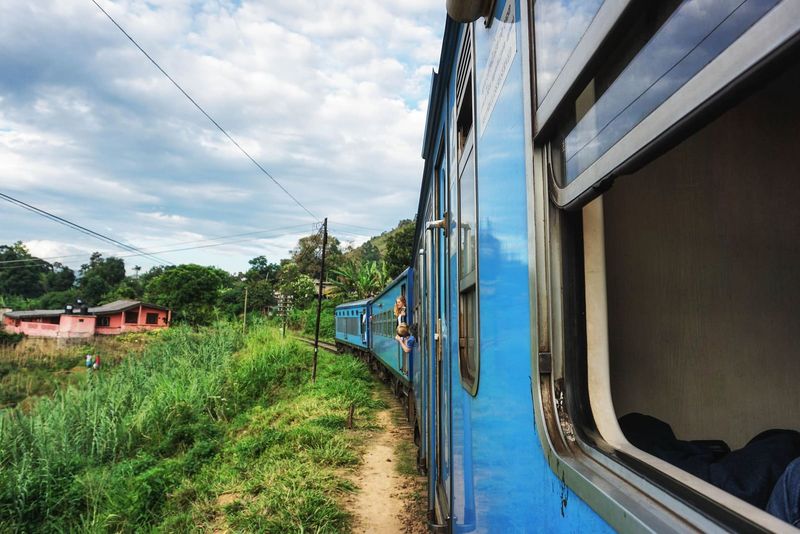
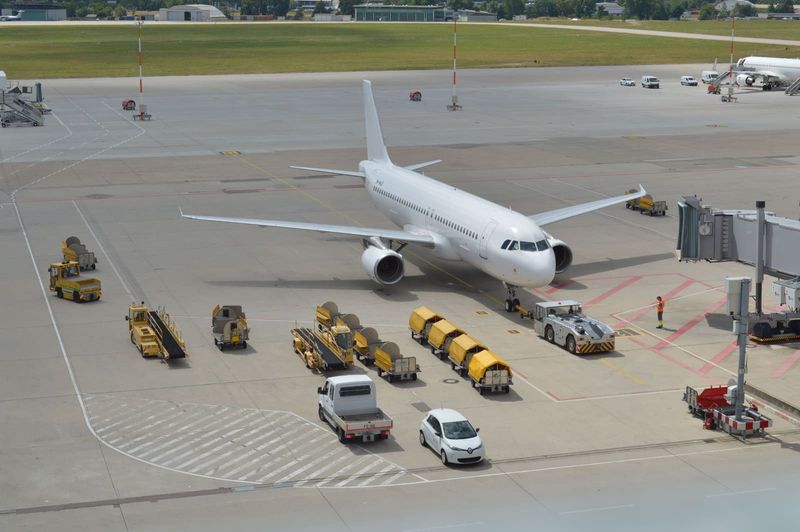
Even when a visitor decides to venture beyond a capital, the logistics often discourage follow-through. Moving from a hub airport to a smaller town by train, connecting flight, or rental car remains complicated and costly. Booking protection is patchy; if a connection fails, travellers are often left to sort out the consequences on their own.
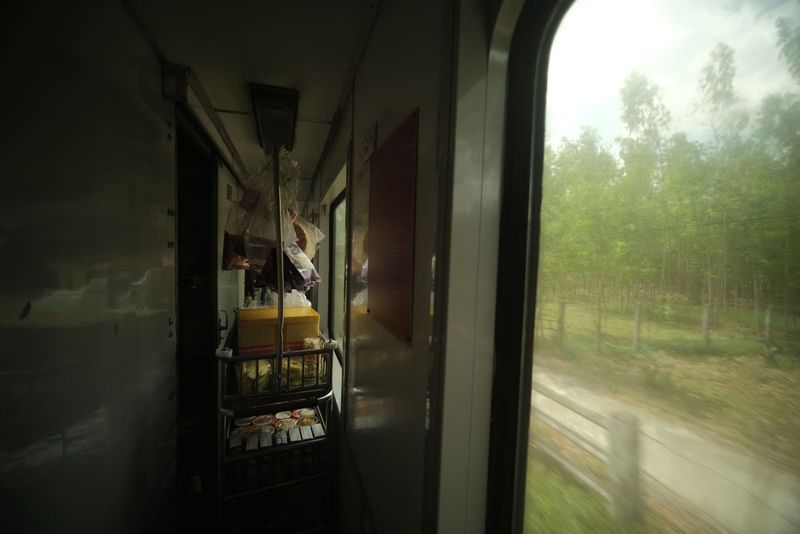
Rail networks vary widely in coverage and ease of use. In some countries, regional lines run infrequently or require multiple changes. Rental car policies can include unexpected fees or insurance requirements that only become clear at the counter. Connecting flights to secondary airports are often priced as separate tickets, with no through-baggage or rebooking rights if the first leg is delayed.
This friction is invisible in a tourism strategy document but very real when someone is standing in an airport with an hour to make a connection and no assurance that missing it will be covered.
What AI Could Fix
Artificial intelligence could, in theory, address both problems. It could parse complex transport options and present them in a way that makes multi-leg journeys feel manageable. It could also surface lesser-known destinations by learning from signals beyond sheer volume, such as seasonality, capacity constraints, or alignment with a traveller's stated interests.
But that requires the industry to feed the right data into the systems and to design algorithms that prioritise dispersal as a goal, not just popularity as a proxy for relevance. So far, that has not happened at scale.
The Revenue Maths
The financial stakes are significant. France's target implies adding roughly €22 billion in annual visitor spending over four years. Ireland's 15 per cent revenue increase would need to come without proportional growth in arrivals, meaning higher spend per visitor or longer trips. Both outcomes depend on people choosing to stay in places that cost less to visit but require more effort to reach.
If the default answer to "Where should I go in France?" remains Paris, Lyon, and the Riviera, the spending will concentrate in the same places it always has. The same applies to Dublin, Barcelona, or Rome. Dispersal is not just about convincing people that smaller towns are worth visiting; it is about making those towns appear in the initial set of options.
Who Controls the Answers
Tourism boards can build websites, run campaigns, and partner with influencers. They cannot, however, dictate what an AI chatbot suggests when someone types "best places to visit in Spain." That answer is shaped by the platform's training data, its ranking logic, and its commercial relationships, none of which are transparent or easy to influence from the outside.
This shifts power away from national tourism bodies and towards the companies that build and operate the search tools. If those companies do not see dispersal as a priority, or if their algorithms are optimised for engagement rather than balanced distribution, then the policy goals of individual countries become much harder to achieve.
The Coordination Problem
Fixing transport requires coordination across airlines, rail operators, car hire firms, and booking platforms. It also requires regulatory frameworks that extend passenger rights to multi-modal journeys, even when different companies handle each leg. The European Union has strong protections for air and rail travel, but those protections weaken or disappear when a trip involves more than one mode or crosses outside the EU.
Building that coordination is slow and politically complex. In the meantime, travellers face a trade-off: stick to easy-to-reach cities, or accept more risk and effort to visit places that are less connected.
What Happens Next
Europe's tourism strategies assume that visitors can be gently steered towards less crowded destinations through better information and incentives. That assumption holds only if the information reaches people at the moment they are deciding where to go, and if the journey to get there feels as straightforward as flying into a capital and staying put.
Right now, neither condition is reliably met. AI search surfaces the familiar, and transport beyond the hub remains a hassle. Until those two things change, dispersal will stay a goal on paper rather than a shift in how people actually move through the continent.