A Trail Goes Quiet
The Lebanon Mountain Trail stretches 470 kilometres through the country's highlands, linking more than 75 villages from the northern edge near the Syrian border down to the south. For years, it has drawn thru-hikers during the spring and autumn seasons, offering a route through cedar forests, limestone ridges, and rural communities that host walkers in guesthouses and family homes.
This year, the trail's organisers cancelled the thru-hike season. The decision came as conflict intensified across Lebanon, making it impossible to guarantee the safety of walkers or the communities along the route. For the villages that rely on trail income and for the hikers who had planned their trips, the closure marked a sudden halt to a rhythm that had been building since the trail's establishment in 2007.
Walk with Lebanon
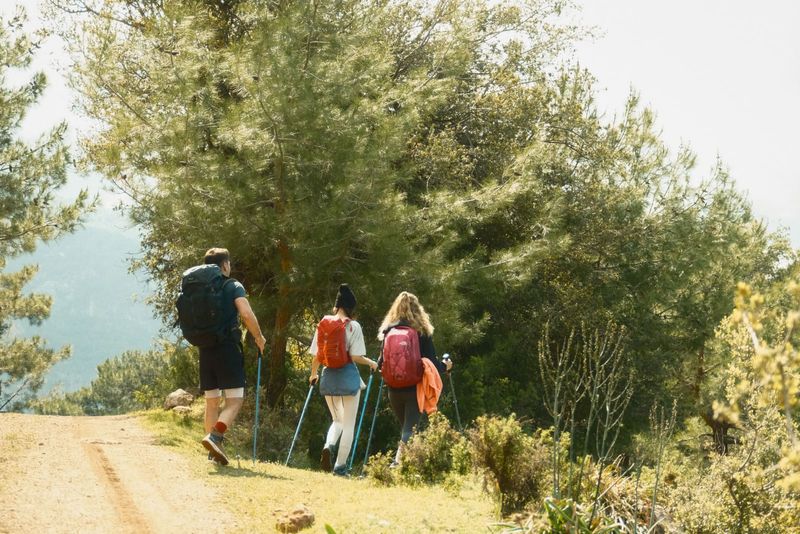
Kinetika, a British silk design company, responded with an initiative called Walk with Lebanon. The concept was straightforward: if people could not walk the Lebanon Mountain Trail, they could walk trails near them and dedicate those hikes to the communities and landscape they could not reach.
The company invited participants to choose a route, walk it, and share the experience through social media or personal networks. There were no registration fees, no formal structure, and no minimum distance. The aim was to create a visible, collective gesture of solidarity that acknowledged both the trail's closure and the broader disruption facing Lebanon.
Who Walked, and Where
Hikers took up the call in multiple countries. Some walked sections of long-distance paths in the United Kingdom, including the South Downs Way and routes through the Lake District. Others chose trails in Europe, North America, and beyond. The distances varied widely, from short afternoon walks to multi-day treks.
Participants posted photographs and reflections online, often tagging them with references to the Lebanon Mountain Trail or the initiative itself. The posts created a loose network of walkers, each moving through their own landscape while holding the Lebanese trail in mind. For some, it was their first encounter with the trail's existence; for others, it was a return to a place they had walked before and hoped to walk again.
Why It Resonated
The initiative worked in part because it required little infrastructure. Walkers did not need to coordinate schedules, travel to a central location, or commit to a specific date. They could participate on their own terms, fitting the walk into their lives rather than rearranging their lives around the walk.
It also tapped into a particular kind of frustration. When conflict closes a trail, it does not just interrupt tourism. It severs a connection between people and place, and between the communities that live along the trail and the visitors who support them economically and culturally. Walking elsewhere does not solve that problem, but it makes the absence visible.
For the villages along the Lebanon Mountain Trail, the loss of hikers means the loss of income during a period when other sources of revenue are also under strain. Guesthouses go unoccupied, guides go without work, and the network of people who have built their livelihoods around the trail face an uncertain season. The walks organised under Kinetika's initiative did not generate direct financial support, but they kept the trail in public conversation at a time when it might otherwise have disappeared from view.
What Comes Next
The Lebanon Mountain Trail remains closed for the foreseeable future. The timing of any reopening will depend on conditions on the ground, and the trail's organisers have not announced a target date. In the meantime, the Walk with Lebanon initiative continues, with Kinetika encouraging people to keep walking and sharing their routes.
The initiative has also prompted discussion about how solidarity translates into practical support. Some participants have paired their walks with donations to Lebanese relief organisations or to funds that support the trail's maintenance and the communities along it. Others have used the walks as a starting point for learning more about Lebanon's geography, culture, and current situation.
For now, the trail itself waits. The paths are still there, winding through the mountains, but without the footfall that brings them to life. The walkers who have taken to their own trails in response are not a substitute for that presence, but they are a reminder that the connection between people and places does not disappear simply because access is blocked. It shifts, stretches, and finds other ways to persist.