Walking Back Into the Land
For more than a decade, war turned Syria's geography into a map of forbidden zones. Forests became frontlines, mountain trails disappeared behind checkpoints, and lakes that families once visited on weekends slipped out of reach. Movement itself became a risk.
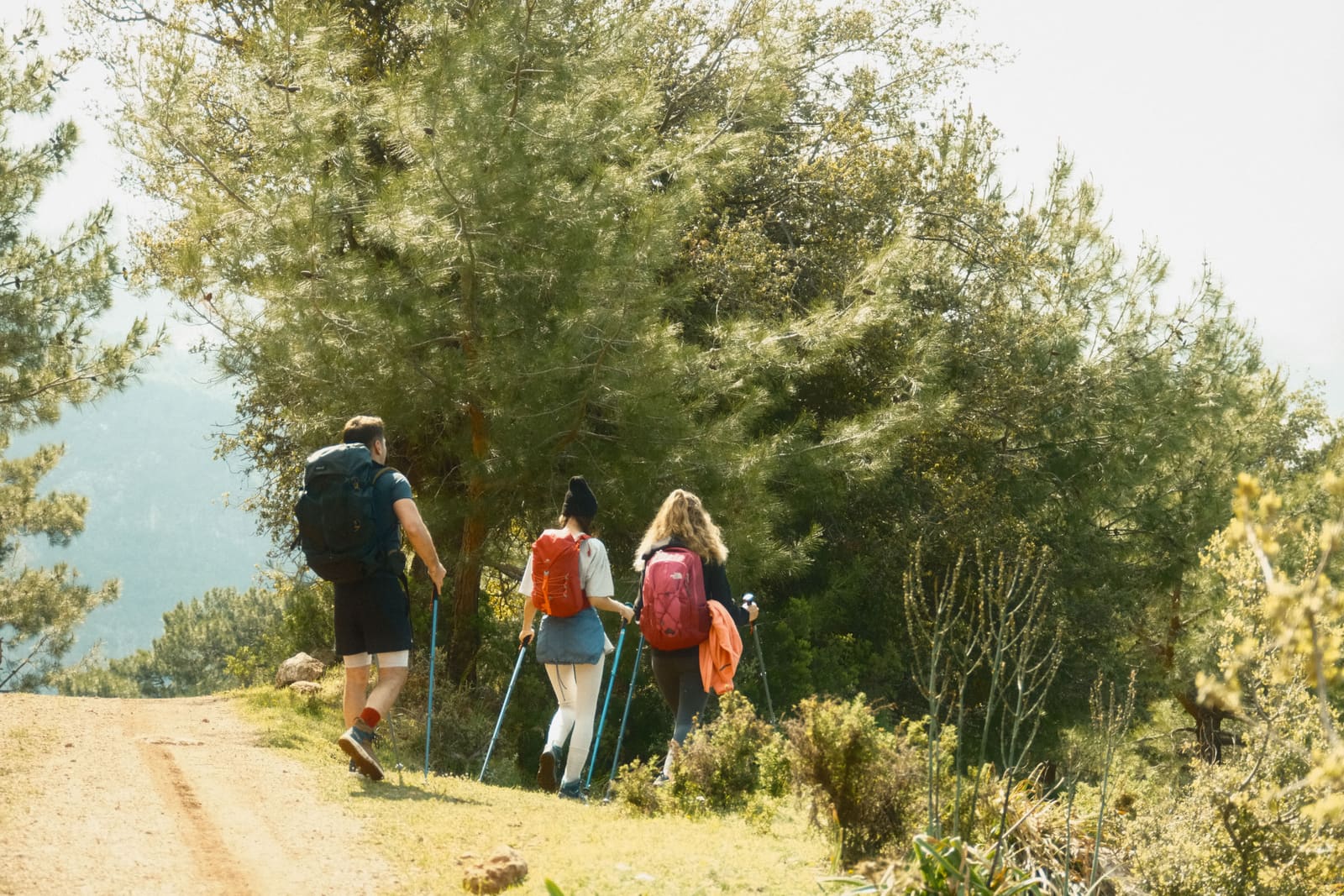
Now, a community of Syrian hikers is walking back into that landscape. They are not tourists arriving with guidebooks and return tickets. They are people rediscovering parts of their own country that conflict had locked away, one campsite and summit at a time.
The shift is quiet but significant. Groups gather on weekends to trek routes that were inaccessible for years. They pitch tents beside lakes they had only heard about from older relatives. They navigate trails that existed before the war but were erased from daily life during it.
A Different Kind of Return
This is not heritage tourism or adventure travel in the conventional sense. The hikers are reclaiming geography that belongs to them but had been out of bounds. The act of walking these trails carries weight beyond recreation. It is a form of reacquaintance with a country that many Syrians, especially younger ones, never had the chance to explore freely.
The landscapes themselves have not changed. The forests are still there, the mountains still rise in the same places. What has changed is access, and with it, the possibility of simply being in these places without danger or restriction.
Some participants are encountering regions of Syria they had never seen, despite living in the country their entire lives. Others are returning to areas they knew as children, before movement became constrained. Both experiences carry a sense of discovery, though the emotion is more complex than the thrill typically associated with exploration.
Practical Challenges and Quiet Growth
Organising hikes in a country still recovering from conflict involves obstacles that most outdoor communities elsewhere do not face. Infrastructure is damaged or absent. Reliable information about trail conditions is scarce. Safety concerns remain, even in areas that are now accessible.
Yet the community is growing. Word spreads through social media and personal networks. People who had never considered themselves hikers join groups, drawn by the chance to see parts of Syria that had been unreachable. The activity fills a gap, offering a way to engage with the country that is neither political nor painful, though it is inevitably shaped by both.
The gear is often makeshift. Experience levels vary widely. But the commitment is real. For many participants, the hikes represent a quiet assertion of presence, a way of saying that they are still here and that the land is still theirs to walk on.
What It Means to Rediscover Home
There is a particular texture to exploring a place that is both familiar and unknown. Syrians hiking these trails are not encountering an exotic elsewhere. They are encountering their own country, but through a lens that war had distorted or blocked entirely.
The experience is less about ticking off destinations and more about reestablishing a relationship with geography. It is about being able to move freely again, to sleep under open sky in a place that had been off limits, to see a lake or a forest and know that it is possible to reach it.
This is not adventure in the sense of seeking the remote or the untouched. It is the slow, deliberate work of reconnecting with what should have been accessible all along. The mountains and lakes were always there. The hikers are simply finding their way back.
A Landscape Reopening
As Syria's internal geography becomes more navigable, the hiking community is part of a broader, quieter shift. People are beginning to move through their country again, not just between cities but into the spaces in between. The forests, the high ground, the water - places that had been abstract or dangerous are becoming real and reachable once more.
The hikers are not making grand claims about recovery or rebuilding. They are walking, camping, and sharing the routes they find. In doing so, they are quietly rewriting the map of what is possible in Syria today, one trail at a time.