A Journey Longer Than Expected
Twenty-eight miles off Cornwall's southern coast, the Isles of Scilly scatter across the Atlantic like fragments of a different climate. Just five of the archipelago's hundred-plus islands are inhabited, supporting a population of roughly 2,200 people. Each summer, around 100,000 visitors arrive, drawn by white-sand beaches and a surprising range of wildlife that thrives in the islands' mild microclimate.
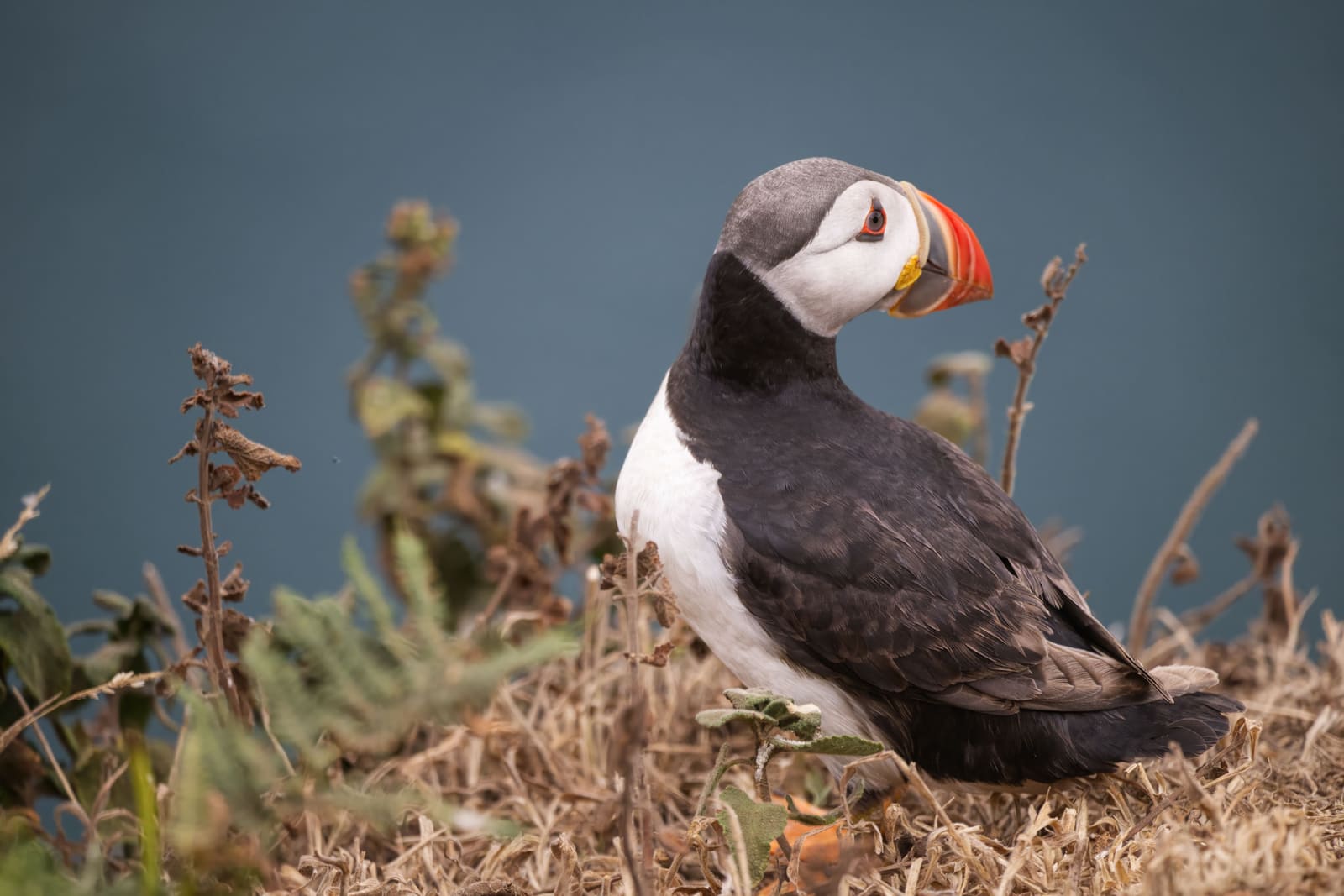
For anyone hoping to photograph puffins, the Scillies represent one of a handful of UK breeding sites. Around 100 pairs return each April to raise a single chick, locally called a puffling, before dispersing back to sea by late July. The window is narrow, the birds are small, and reaching them requires more than enthusiasm.
One photographer's attempt to capture the colony in early June illustrates what happens when travel plans meet island weather. A six-hour train from London to Penzance was only the beginning. Fog grounded the scheduled helicopter, forcing an overnight wait on the mainland during what should have been one of Britain's warmest summers. The flight finally departed at 3pm the following day, cutting the island stay to a single night.
Twenty Minutes by Air, Conditions Permitting
Helicopter flights from Penzance to St Mary's or Tresco take 20 minutes when weather allows. The route crosses the Cornish coast before reaching the bright green islands ringed by clear water. After a grey day on the mainland, the contrast is immediate.
Transport on the islands leans heavily on buggies and small boats. From Tresco's harbour, a tour boat heads toward the rocky outcrops where puffins nest in burrows and raise their young. On calm days, the birds often rest on the water between dives for food. On rough days, they stay close to the rocks.
The day in question followed a night storm. Choppy seas kept the boat at a distance from the nesting sites, and the puffins were largely absent from the water. A 15-minute search on the open sea yielded occasional sightings of birds diving and returning to their burrows, but the conditions were far from ideal. Other seabirds, including guillemots and razorbills, complicated identification, though the puffins' orange beaks eventually gave them away. A few more attempts on land produced little.
What the Trip Actually Delivered
The photographer saw five puffins. The 24-hour journey, delayed flights, and rough seas resulted in distant glimpses rather than close-up frames. For anyone planning a similar trip, the experience carries useful information.
Weather on remote islands changes quickly, and wildlife moves with it. Booking longer stays increases the odds of encountering calm conditions and cooperative subjects. Boat schedules flex around weather and sightings, and skippers adjust routes based on real-time conditions. Patience matters more than equipment.
The Scillies do offer other wildlife. Seals, porpoises, and whales appear with some regularity, and the islands' flora benefits from isolation and a subtropical microclimate. Tresco's gardens and the sandy shorelines provide alternatives when the target species proves elusive.
Other UK Puffin Colonies
Puffins are not rare, but their breeding sites are specific. Skomer in Pembrokeshire allows visitors to walk among burrows during nesting season. The Farne Islands in Northumberland and the Isle of May in the Firth of Forth also host colonies. Each site comes with its own access challenges and seasonal windows.
The Scillies' appeal extends beyond puffins. The landscape is rugged, the beaches are striking, and the combination of mild climate and isolation supports plant and animal life uncommon elsewhere in Britain. Around 100,000 summer visitors suggest the islands deliver something worth the effort, even when specific wildlife remains out of reach.
Managing Expectations
Travel to remote locations for wildlife photography involves trade-offs. Long journeys do not guarantee sightings. Weather and animal behaviour operate independently of itineraries. The Scillies are accessible by helicopter or ferry, but neither runs in fog or heavy seas. A single night on the islands may be enough for some purposes, but tracking breeding seabirds typically requires more flexibility.
For photographers and nature enthusiasts, the lesson is straightforward: build in extra time, accept that conditions may not cooperate, and recognise that the experience includes more than the target species. The islands themselves, the marine environment, and the other wildlife present offer their own reasons to visit. The puffins, when visible, are a bonus rather than a guarantee.