Gardens and Grills in the City Centre
Barcelona has been wrestling with overtourism for years, and the city government has tried various approaches to ease the pressure on the Old Town. Yet the centre still holds appeal if you know where to look, and residents have their own map of spots that feel worlds away from the Rambla crowds.
Bar l'Antic Teatre sits on Carrer de Verdaguer i Callís, tucked into a sprawling garden shaded by old trees. It is the kind of place where you can nurse a vermouth or a glass of wine outdoors even in the middle of summer, when the canopy keeps the heat at bay. The setting is casual, the crowd local, and the atmosphere unhurried.
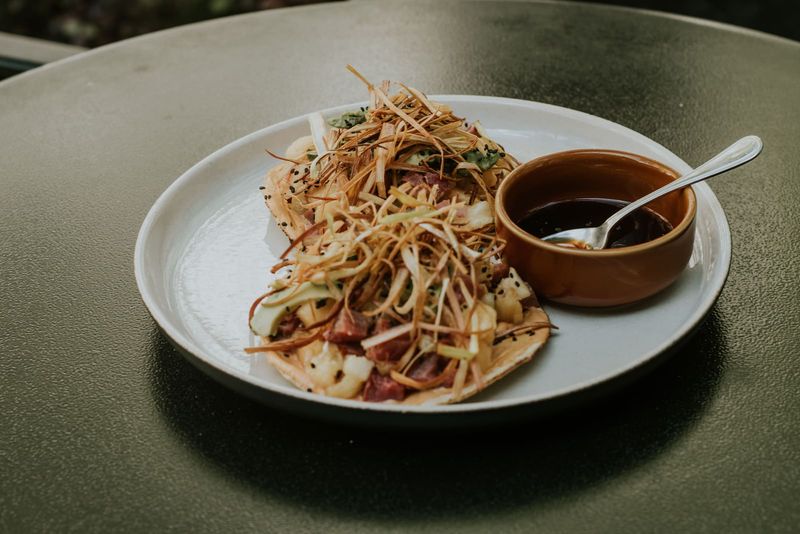
For something more polished, Chiringuito perches atop Casa Bonay, a design hotel on Gran Via de les Corts Catalanes. The rooftop leans into tropical styling with rattan furniture, bright cushions, and clusters of potted plants. The menu runs to tapas and small plates built for sharing. In warm months, the open-air grill sends the smell of barbecue across the terrace. The grilled steak comes with chimichurri, the octopus with black-olive mayonnaise, and the wine list favours natural bottles. One standout is an orange wine from Valencia, intense and bone-dry, that pairs well with the charred dishes.
Speakeasies and Oysters
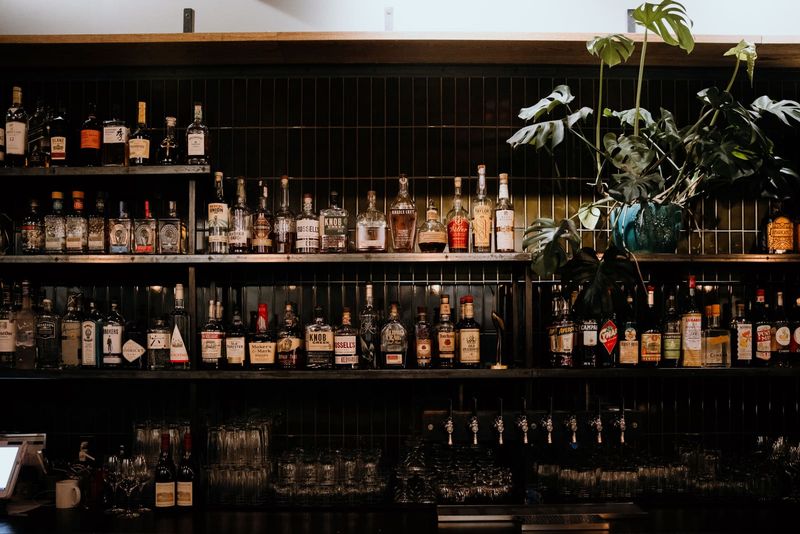
Gràcia, the bohemian neighbourhood north of the Eixample, holds one of the city's better cocktail bars. 14 De La Rosa hides on a narrow street, marked only by a red globe lamp outside. The owner previously ran the bar at Chiltern Firehouse in London, and the approach here is classic cocktails executed cleanly, served by bartenders in bow ties, with a jazz soundtrack that does not overpower conversation.
El Casal Cafe occupies a quiet corner of Plaça Victor Balaguer in El Born, a few minutes' walk from Santa Maria del Mar. The owners are two French brothers, and the menu draws from across Europe without straying into fusion. There is a three-course menu del dia at lunch, reasonably priced, but the real draw is the raw oyster selection, a rarity in Barcelona, and the grilled Camembert served with chutney. The terrace fills quickly, so booking ahead is wise.
Rooftop Retreats
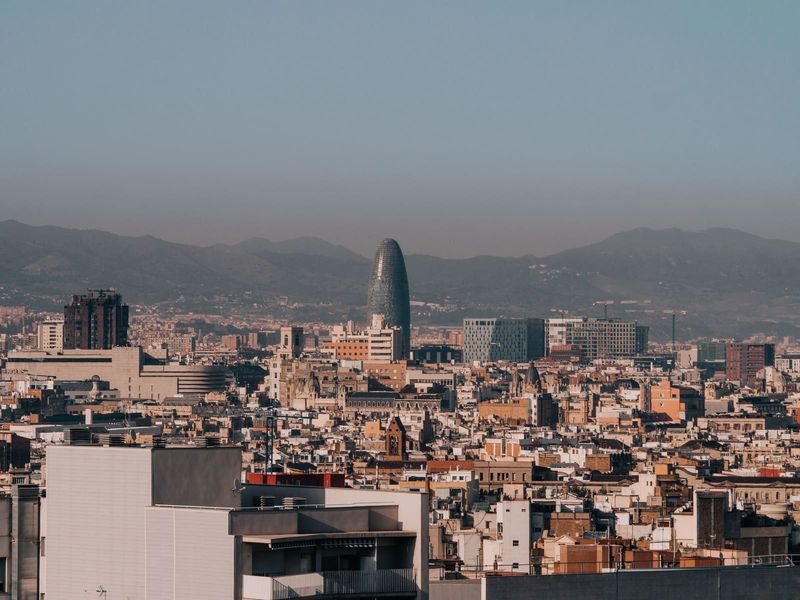
The rooftop terrace at El Palace Barcelona, on Gran Via de les Corts Catalanes, feels more like a private garden than a hotel amenity. Multiple seating areas are arranged around potted plants, pergolas, and a small fountain, with views stretching across the city. The programming changes throughout the year: open-air cinema screenings, weekend brunches with live DJs, seasonal pop-up shops. The food is reliable, if not cheap, but the space works just as well for a single drink at sunset, when the light catches the mountains to the west.
These spots share a common thread. They are not secret, exactly, but they exist slightly off the well-worn tourist routes, and they cater to people who live in the city rather than those passing through for a long weekend. Barcelona's dining scene has always had two tracks running in parallel: the establishments that serve visitors, and the ones that serve residents. The latter tend to be quieter, more consistent, and less interested in spectacle.
Why Residents Seek Out These Spots
The pressure of overtourism has reshaped how locals navigate their own city. Many have retreated to neighbourhoods like Poblenou and Gràcia, where the pace is slower and the streets less congested. But the centre still holds value, particularly for those who know which doors to push open.
What distinguishes these places is not novelty but reliability. They are not chasing trends or courting Instagram attention. They offer good wine, well-made food, and spaces that feel considered rather than calculated. In a city where the tourist economy dominates the public conversation, that is worth noting.
Barcelona's government has encouraged visitors to explore beyond the Gothic Quarter and La Rambla, with mixed results. The broader challenge is one of capacity. The city's infrastructure, both physical and social, was not built to accommodate the volume of short-term visitors it now receives. Redirecting that flow is a long-term project, and in the meantime, residents have adapted by carving out their own geography within the city.
The bars and restaurants listed here are not immune to discovery. Some, like Chiringuito and the rooftop at El Palace, are already well known. But they retain a local character because they were designed with residents in mind, not as destination venues for tourists. That distinction matters, even if it is subtle.
Practicalities
Most of these spots do not require advance booking, except El Casal Cafe, where the terrace is in high demand. Prices vary. Bar l'Antic Teatre and 14 De La Rosa are mid-range; Chiringuito and El Palace lean more expensive. Natural wine by the glass typically runs €6 to €10, cocktails €12 to €15, and small plates €8 to €18.
Barcelona's dining culture favours late hours. Dinner service often does not begin until 21:00, and many bars stay open past midnight, particularly on weekends. If you prefer quieter settings, aim for earlier in the evening or weekday afternoons.
The city's efforts to manage tourism have included limiting short-term rental licences and promoting lesser-known districts. Whether those measures will succeed remains to be seen. For now, the residents who have stayed are finding ways to live alongside the visitor economy without being entirely consumed by it. The places they frequent offer a glimpse of that balance, imperfect but functional.