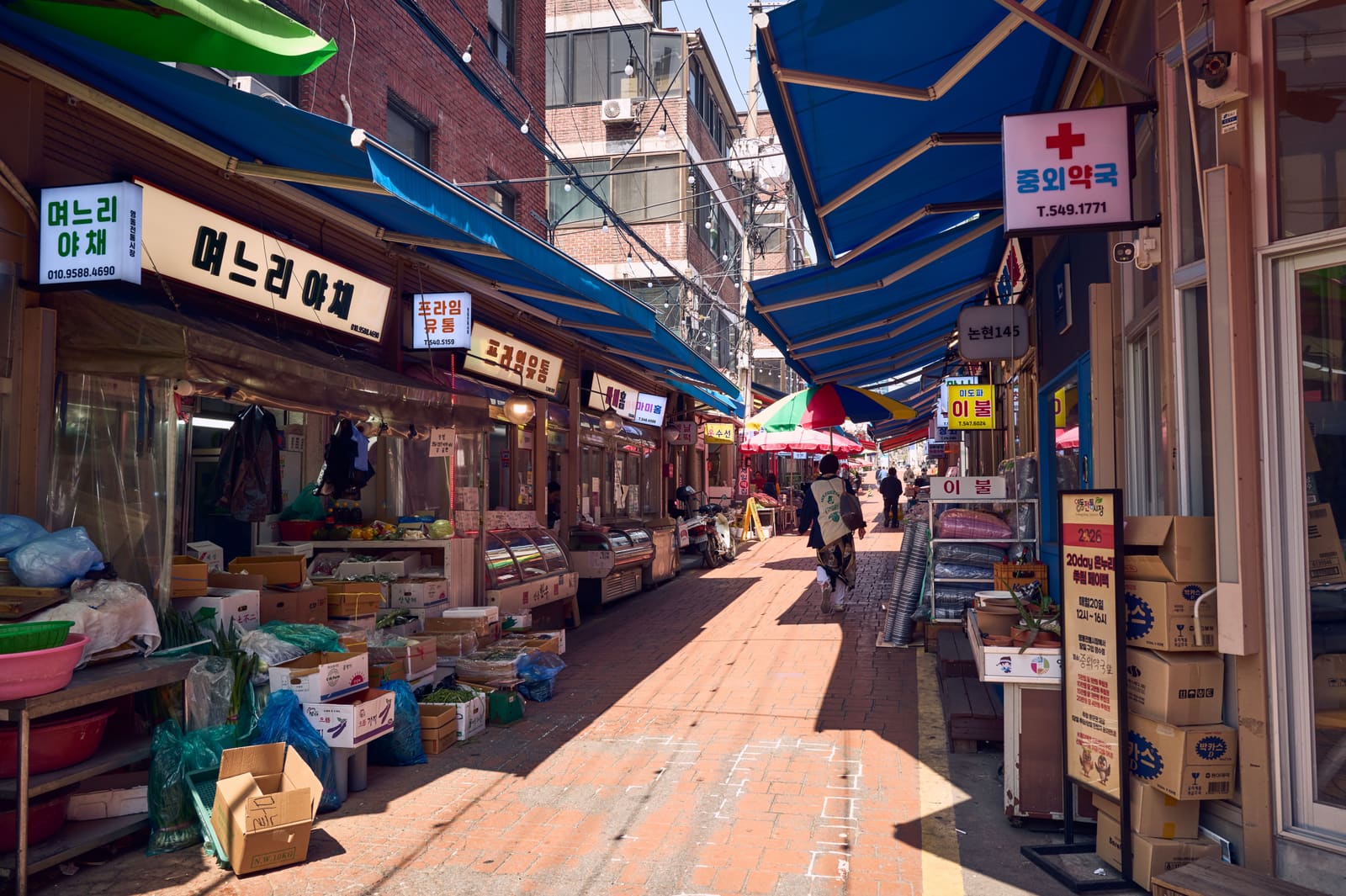
A City That Eats Around the Clock
Seoul operates on a 24-hour rhythm, and its food culture reflects that pace. The South Korean capital reportedly has more cafes than London and New York combined, many functioning as hybrid spaces that double as galleries, listening bars, or garden terraces. Street vendors in neon-lit alleys serve recipes honed over decades - fried pollack, mung bean pancakes - while hanok tea houses offer a slower counterpoint, pouring mountain-sourced brews on vintage crockery.
The city's culinary landscape changes quickly. Restaurants and cafes reinvent themselves to stay relevant, experimenting with new formats and concepts at a rate that outstrips most global cities. Food trends move through Seoul with particular speed, creating an environment where a viral pastry one month becomes ubiquitous the next.
With over 450 neighbourhoods separated by the Han River, Seoul presents a logistical challenge for visitors trying to eat well. The most practical approach: pick a neighbourhood and walk it thoroughly. Three areas stand out for their mix of old and new, each with a distinct culinary personality.
Hannam-dong: Where Fashion Meets Third-Floor Roasteries
Hannam-dong, in the Yongsan District, draws Seoul's style-conscious crowd with its fashion boutiques and galleries. The food scene here skews design-focused, with multi-roaster coffee shops occupying upper floors and wine bars tucked into side streets.
GML, a third-floor specialty roaster, exemplifies the area's aesthetic - burled wood counters, picture windows, a sun-trap terrace above the shopping streets. The space prioritises light and quiet, a deliberate contrast to the street-level bustle.
For lunch, Muwol serves modern Korean dishes: bulgogi, hoe (Korean sashimi), and rotating specials that lean creative. Sansuhwa Teahouse and Shop pours mountain-sourced teas alongside delicate biscuits, with a basement gallery space hosting rotating exhibitions. The teahouse operates at a slower tempo than most Hannam-dong venues, designed for lingering.
Hannam Hanbang Tongdak specialises in a single dish: oakwood-baked rotisserie chicken stuffed with herbs, served on sticky rice. The local favourite pairs the dish with cold draft beer, following the chimaek tradition (chicken and beer).
Seongsu: Industrial Bones, Viral Pastries
Seongsu, a former factory district in eastern Seoul, has drawn comparisons to Brooklyn for its industrial architecture and young demographic. The neighbourhood's converted warehouses now house conceptual pop-up stores, art installations, and niche beauty shops. The food scene centres on coffee and pastries, particularly salt bread - Korea's take on Japanese shio-pan, topped with flakes of butter.
Two bakeries dominate the local salt bread conversation: Beton and Etre Bake House. Beton offers truffle or cream cheese-and-chive versions; Etre's chocolate bread has circulated widely on social media. Both draw queues, and locals debate their relative merits with the seriousness reserved for meaningful food.
Daelim Changgo, a former rice mill, now operates as a cafe and gallery in a buzzy warehouse building. The menu ranges from strawberry-and-cream croissants to pizza and pasta, with seasonal drinks that change frequently. The space leans heavily on visual appeal, designed for photography as much as eating.
At night, Break Silence functions as a hi-fi bar, clothing boutique, and loft space. The cocktail list includes a hibiscus highball and an Amaretto sour variation. The venue's hybrid format - part bar, part retail - reflects Seongsu's broader tendency towards multi-use spaces.
Euljiro: Medicine Rooms and Pollack Alleys
Euljiro, nicknamed "Hipjiro" by younger Seoulites, sits in the city centre and carries more visible history than Seongsu or Hannam-dong. Decades-old workshops share streets with modern galleries, while narrow side streets pack in natural wine bars and cafes.
Coffee Hanyakbang occupies a building that once served as a medicine room. The exterior offers no clues to what's inside: three floors of vintage artefacts nodding to the Japanese colonial period. Reclaimed mother-of-pearl cabinets in the service area hold vintage coffee equipment and records; medicine bags hang from the ceiling. The cafe is known for hand-drip filter coffee and sources elegant domed cakes from a nearby patisserie. The Mousse Omija, made with Korean five-flavour red berry, offers a taste distinct to the region.
Euljiro Nogari Alley draws young locals after work for cheap beer and snacks. The alley's namesake dish - nogari, or dried pollack - anchors the street food scene here. Manseon Hof serves garlicky fried chicken under the neon glow of packed restaurant signage. The alley functions as a late-night gathering spot, the kind of place where elderly locals - the city's most discerning diners - mix with office workers.
What the Speed Means for Visitors
Seoul's rapid culinary turnover creates both opportunity and risk for visitors. New openings arrive weekly, but staying power isn't guaranteed. The city rewards wandering and spontaneity, but also benefits from neighbourhood-focused planning. Trying to cover too much ground in a day means missing the textures that make each area distinct.
The cafe density, in particular, reflects something broader about how Seoul approaches public space. Coffee shops function as social infrastructure, offering places to sit, work, or meet that don't require a large spend. Many double as galleries or retail spaces, blurring the line between commercial and cultural venues.
For food travellers, the challenge lies in balancing the viral and the enduring. Salt bread will likely fade; hanok tea houses have been pouring for generations. The trick is knowing which trends matter and which are just noise - a distinction that becomes clearer the more time you spend walking, eating, and watching where the locals gather.