When the System Says You Never Left
British novelist Jojo Moyes spent 23 days in the EU over six months. The EU's digital border system recorded something different: it showed her as never having departed Portugal in May, leaving the clock running on her 90-day allowance. When she tried to return after a holiday, French border guards detained her at Marseille and warned her not to attempt re-entry until the error was fixed. The penalty if she tried: a €10,000 fine and a two-year travel ban across the Schengen zone.
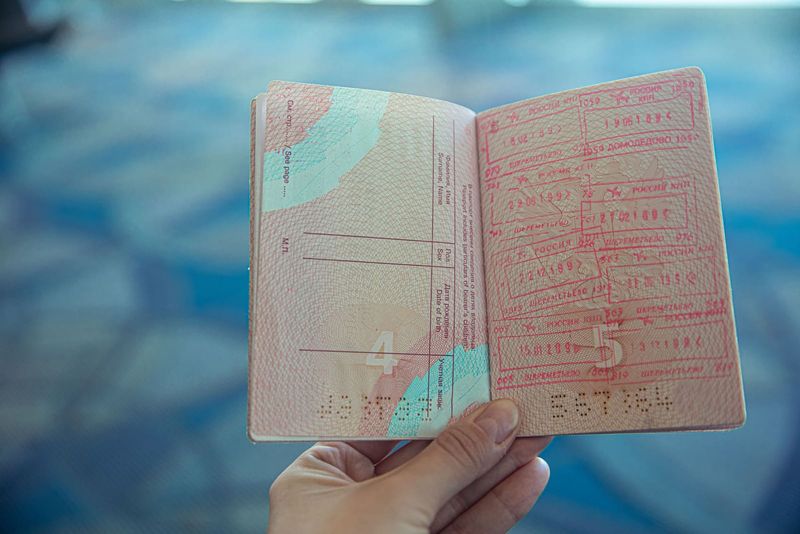
Moyes is not alone. A growing number of UK travellers are discovering that the EU's Entry-Exit System, launched in April 2026 to replace passport stamps with biometric checks, has failed to properly record their movements. The result is a bureaucratic nightmare that contradicts reality: people who followed the rules are being flagged as rule-breakers, with serious consequences.
The 90-day limit is a post-Brexit reality for British visitors to the Schengen zone. The count runs across a rolling 180-day window, and exceeding it can trigger fines of up to €10,000, deportation, or bans from the zone for up to two years. The new digital system was meant to make tracking this simpler and more accurate. Instead, it has created a mess that places the burden of proof on travellers who have done nothing wrong.
Incomplete Records, Real Consequences
The flaw appears to centre on departures. In some cases, biometric data is collected when passengers enter the EU but not when they leave. The system then treats them as still present, even though they crossed back through the Channel Tunnel or flew home weeks earlier. One couple, Jane Nolan and her husband, spent 40 days in France in April via LeShuttle. Their passports were manually stamped on return to the UK in June, after French authorities temporarily suspended the digital system to avoid queues. When they checked the EU's online tool, it showed zero remaining days and marked their status as "not OK." They should have had 50 days left.
In another case, a UK holidaymaker was detained at the Italian border and deported under police guard after a system error suggested an overstay. The traveller had not broken any rule; the database had.
Over the summer, several Schengen countries suspended the Entry-Exit System altogether, reverting to manual passport checks because of technical problems and staff shortages. On 8 November, the European Commission announced legal action against three firms involved in the rollout. The scale of the disruption suggests the problems are systemic, not isolated.
No Clear Way to Fix It
Travellers can check their remaining days by entering their passport number on the EES website, which logs all visits to the Schengen zone since 10 April 2026. If the record is wrong, they are advised to contact the data controller for the last country they visited, via the Travel to Europe data protection page. The Foreign Office recommends carrying evidence of departure dates and raising discrepancies with border officials.
In practice, this process has proved slow and opaque. Moyes said she has tried every avenue over the past two weeks and has now hired an immigration lawyer. She still does not know what the system thinks her travel history is, or whether it is safe for her to travel. Not everyone can afford legal help to contest a database error.
Julia Lo Bue-Said, chief executive of the Advantage Travel Partnership, which represents independent travel agents, described the situation as penalising travellers for a system failure entirely outside their control. She called for greater accountability and a straightforward process to challenge inaccurate records. Rory Boland, editor of Which? Travel, said the lack of care shown towards people at risk of detention and fines for rules they have not broken is indefensible.
A System Still Broken
The Foreign Office said it is raising the issues with the European Commission, noting concerns about incomplete records and the incorrect registration of some individuals who are exempt from the system. The Commission has not yet commented publicly on the scope of the problem or what steps it will take to prevent further cases.
For now, British travellers face a troubling gap: a system that was supposed to bring clarity has instead introduced uncertainty, and the people caught in its errors are left to prove their innocence with little institutional support.