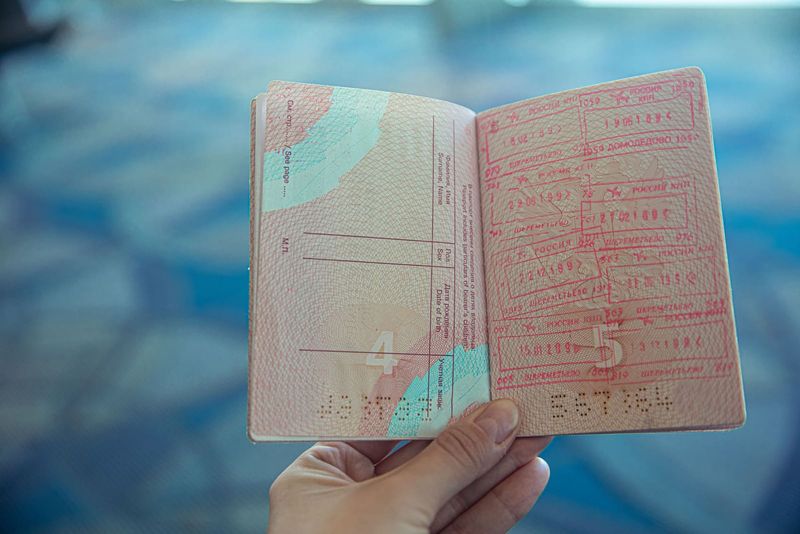
When the Data Says You Overstayed
British author Jojo Moyes was stopped at Marseille airport and told she faced a two-year ban from Europe and a €10,000 fine. The reason: border guards believed she had overstayed her allowed time in the Schengen Zone. She had not. By her count, she had spent just 23 days in the area over six months, well within the 90-day limit permitted to British passport holders in any 180-day period.
The problem was not with Moyes' travel habits but with the EU's Entry-Exit System, which went fully operational on 10 April 2026. Her departure from Portugal in May had not been logged correctly, leaving the system to assume she was still inside the Schengen area. The mistake forced her to hire an immigration lawyer to fix her records.
Consumer group Which? has documented dozens of similar cases. British travellers are being flagged as overstayers because the system fails to record their exits from EU destinations. The glitch is not isolated; it reflects a broader technical failure with the bloc's new digital border controls, which involve capturing fingerprints and facial images at entry and exit points.
What the Rules Actually Are
Since Brexit, British passport holders have been subject to the same limits as other non-EU nationals: 90 days within any 180-day period in the Schengen Zone. The 27-nation area includes most EU countries but excludes Ireland and Cyprus, while adding Iceland, Norway, Switzerland and Liechtenstein.
The Entry-Exit System was designed to enforce these limits automatically by recording every crossing. When it works, it replaces manual passport stamps with a digital log. When it does not work, it creates phantom violations.
The UK Foreign Office acknowledged the problem. A spokesperson confirmed awareness of inaccuracies in EES records, including incomplete exit logs and the registration of individuals who should be exempt from the system. The office said it is raising these issues with the European Commission.
On 10 November, the EU announced legal action against IBM and two other European technology firms over problems and delays tied to the smart border system. The lawsuits signal frustration with the rollout, which has caused disruption at crossings since the spring.
How to Check Your Own Record
Travellers can review their status through the EES online tool. The system asks for a passport number and the name of the country you plan to visit. It will show whether entry is permitted and how many days remain within the 180-day window.
If the data looks wrong, the next step is less straightforward. Which? advises going to the Travel to Europe data protection page and scrolling to the Schengen country you last visited. Each country lists an email address for its Data Controller, the entity responsible for managing EES records. You will need to contact that office to request a correction.
Passport control officers at external borders can also provide information about remaining days, though relying on them to fix an error in real time may not be practical if you are already being denied entry.
The Risk of Being Right
The fines and bans are real. Moyes was threatened with a €10,000 penalty, equivalent to roughly £8,360. A two-year ban would cut off access not just for holidays but for work, family visits and any other reason to cross into the Schengen area.
The burden of proof falls on the traveller. Even when the system is wrong, you must demonstrate that you followed the rules. That may require digging up old boarding passes, hotel receipts, or credit card statements that show where you were and when you left.
For now, British passport holders who have visited Schengen countries since April should check their records before booking another trip. The system may say you are clear to travel, or it may say you have already used up days you know you did not spend inside Europe. Either way, finding out at home is better than finding out at the border.