The First Installation
East Midlands Airport began testing a new border control system this week that lets arriving passengers walk through electronic gates without scanning their passports. The technology, introduced on 6 October, uses facial recognition to verify travellers against government databases as they approach the gate.
The system captures an image of each passenger's face and checks it against travel records, passport files, and immigration databases. When verification succeeds, the gate opens automatically. Travellers no longer need to place their document on a reader or pause at the barrier.
The Home Office announced that all UK airport electronic gates will adopt the contactless system by early 2027. Thirteen airports currently operate these gates: Birmingham, Bristol, Cardiff, East Midlands, Edinburgh, Gatwick, Glasgow, Heathrow, London City, Luton, Manchester, Newcastle, and Stansted.
How the Checks Work
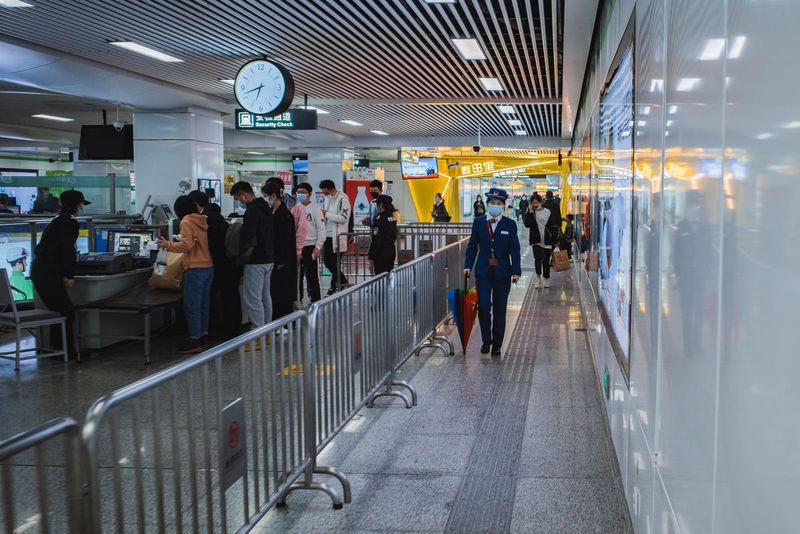
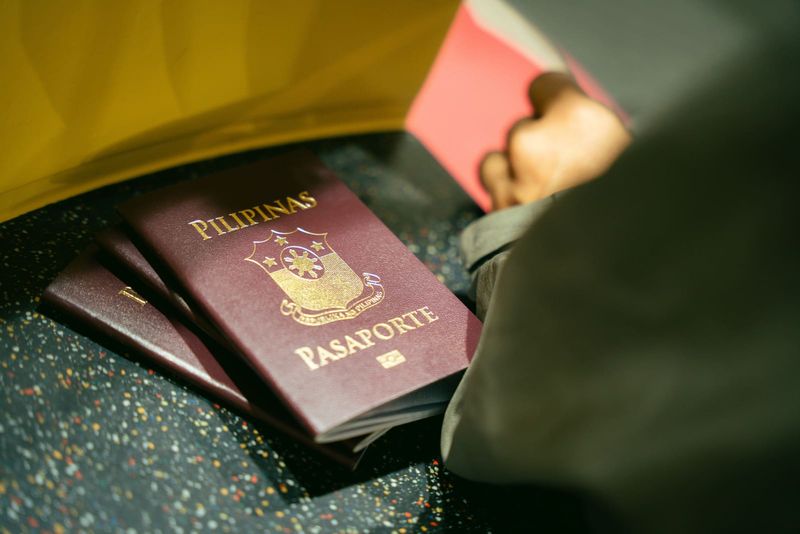
Border Force staff will continue monitoring the gates and can intervene when needed. If the system flags a passenger for additional screening, the traveller must either scan their physical passport or speak with an officer. The Home Office has reminded passengers to carry their passports at all times, even though the gates no longer require them for routine checks.
Government testing found the facial recognition process runs up to 25 per cent faster than the current method of scanning a passport at an electronic gate, according to the Home Office. The speed gain comes from eliminating the step where passengers must align their document on a reader and wait for the chip to be scanned.
Phil Douglas, director general of Border Force, described the rollout as part of a broader digital upgrade. Earlier this year, the UK extended electronic gate access to children aged eight and older, previously restricted to those twelve and above. The expansion aimed to reduce queues for families travelling together.
What It Means for Travellers
The shift to contactless gates reflects a broader pattern in airport technology: removing physical touchpoints while maintaining security layers. Other countries, including Australia and Singapore, have deployed similar facial recognition systems at immigration checkpoints over the past few years.
For passengers, the immediate benefit is speed. Immigration queues at UK airports have been a persistent friction point, particularly during peak travel periods when electronic gates can still bottleneck. Shaving seconds off each transaction compounds across hundreds of arrivals per hour.
The technology also sidesteps common frustrations with current gates: passports that won't scan because of bent covers, lighting issues that prevent facial matching, or travellers unfamiliar with where to place the document. Facial capture happens as passengers walk up, requiring no specific action beyond looking at a camera.
Steve Griffiths, managing director at East Midlands Airport, noted that the contactless gates complement recent changes to the airport's immigration hall layout, designed to improve passenger flow. Karen Dee, chief executive of the UK airports trade body, called the move vital for meeting traveller expectations of fast, efficient borders.
The Security Balance
Facial recognition at borders raises questions about accuracy, privacy, and what happens when the system fails. The Home Office has not disclosed error rates for the new technology or how often passengers are diverted to secondary screening. Border Force officers remain present to handle cases where automated verification does not clear a traveller.
The system relies on the quality of passport photos, which vary, and on lighting conditions at the gate. Passengers with significant changes in appearance since their passport photo was taken, such as facial hair, hairstyle, or weight, may trigger additional checks. The technology must also account for eyewear, head coverings, and other factors that can affect facial matching.
By keeping Border Force staff at the gates and requiring passengers to carry passports, the UK is hedging against technology failures. If the facial recognition system goes offline or produces too many false rejections, operations can revert to passport scanning.
The nationwide rollout over the next sixteen months will test whether the speed gains observed in controlled trials hold up across different airports, passenger volumes, and demographic groups. East Midlands, a mid-sized regional airport, handles far fewer international arrivals than Heathrow or Gatwick, where the system will face its real stress test.