A Widened Warning
On 17 October, the UK Foreign Office expanded its travel advisory for Saudi Arabia to cover nearly the entire country, a significant escalation from earlier guidance that targeted only specific cities and regions. The shift follows a strike on 10 October that killed at least 13 people at King Khalid International Airport in Riyadh and injured hundreds more.
The new advisory warns against all but essential travel throughout Saudi Arabia, with a complete prohibition on travel within ten kilometres of the Yemen border. The change reflects what British officials describe as a "heightened threat" to airports, military installations, ports, and energy infrastructure across the kingdom.
The Context Behind the Alert
The escalation stems from resumed direct military conflict that began in July between Houthi forces and the governments of Yemen and Saudi Arabia. According to the Foreign Office, Houthis have launched missiles and drones targeting multiple Saudi locations since 13 July, including Abha, Jizan, Najran, Riyadh, Jeddah, Dammam, and Yanbu, as well as vessels in the Red Sea.
British authorities caution that further airport attacks, along with flight disruptions and cancellations, are "very likely." The advisory also notes the possibility of renewed strikes by Iran, adding another layer of uncertainty for travellers.
What's Happening at Saudi Airports
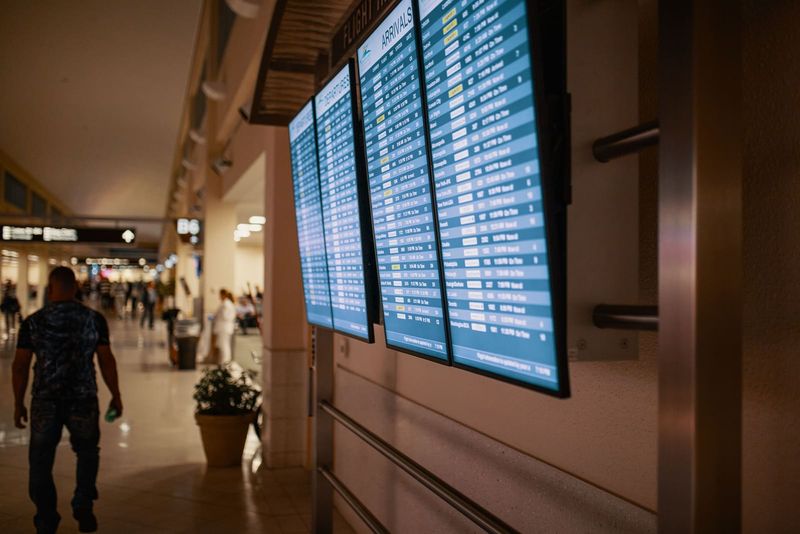
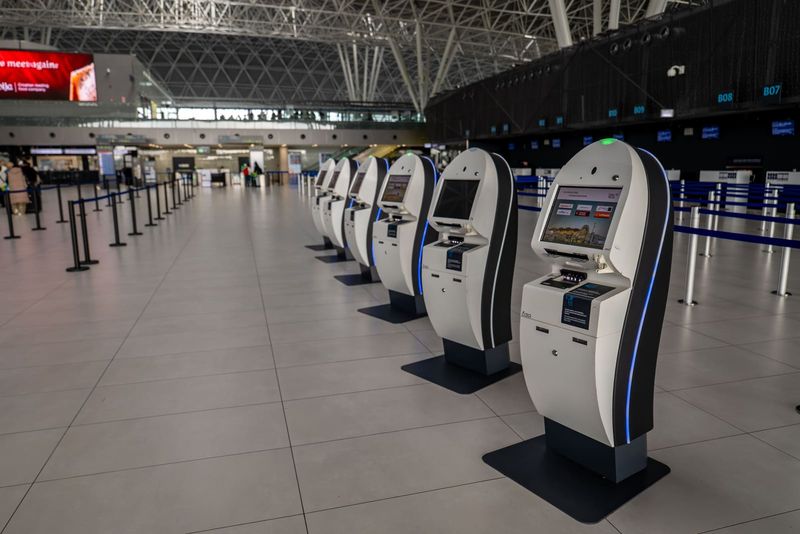
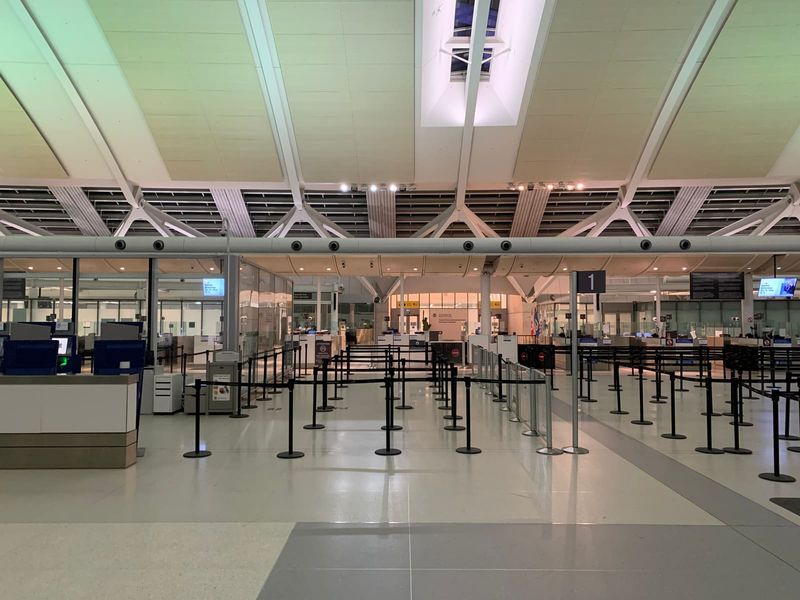
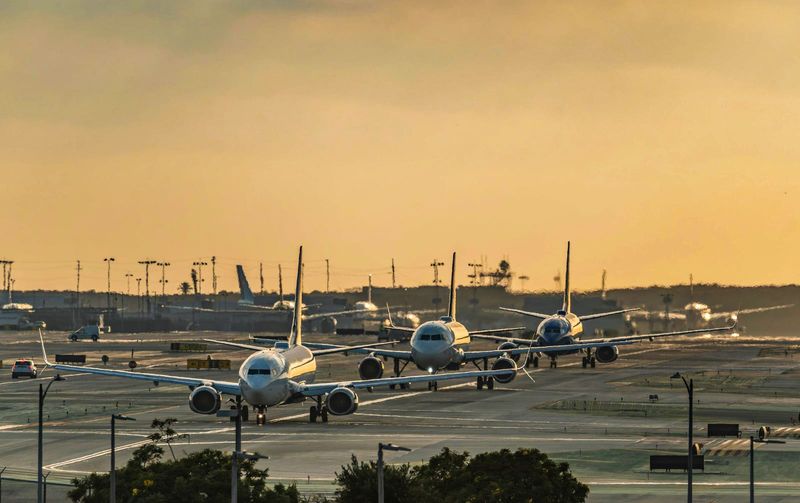
The situation on the ground remains fluid. Jeddah, Medina, and Dammam airports continue to operate for arrivals and departures, though widespread cancellations were reported as of 19 October. King Khalid International Airport in Riyadh, the country's busiest hub, had suspended operations following the strike, with Saudi aviation authorities extending the closure through at least 12 October. Subsequent reports suggested the shutdown would last until 17 October, but the airport's current status remains unclear, with flight-tracking data showing no definitive pattern.
The Foreign Office advises anyone choosing to fly to confirm bookings and check flight status before heading to the airport, while staying alert and following instructions from local authorities.
The Overland Option
For those seeking to leave, the Foreign Office has outlined an alternative: travel by land to a neighbouring country and fly from there. The guidance comes with multiple caveats. Travellers must research entry and exit requirements for transit countries, ensure they have proper documentation, and verify border-crossing status before departure.
If driving, the vehicle must be wholly owned and registered in the traveller's name. Saudi Arabia's Absher portal allows vehicle authorisations to be issued for dependants aged 18 and over, though drivers with a valid Exit/Re-Entry Visa must cancel it first. Some bus services, private hire taxis, and other vehicles offer cross-border transport, but the Foreign Office stresses the need to confirm bookings, check operator permissions, and understand where the transport will drop passengers, as some border crossings lack onward transportation or facilities.
The advisory points to SAT Transportation for bus services and emphasises that travellers should carry emergency supplies, water, and essential medication. It also warns against capturing or sharing images of conflict-related incidents.
How Other Governments Are Responding
The United States has maintained a level-three "reconsider travel" warning for Saudi Arabia, alongside a level-four "do not travel" alert for areas near the Yemen border. On 18 October, the US embassy in Saudi Arabia urged Americans in the Middle East to exercise "heightened vigilance" and develop contingency plans for potential flight cancellations, airspace closures, and travel disruptions.
The divergence in advisory levels reflects differing risk thresholds, but both governments underscore the same core concern: the unpredictability of the security environment.
What This Means for Bookings and Insurance
The escalated advisory has practical implications for cancellations and coverage. Because the Foreign Office now advises against all but essential travel, travellers with package holidays may be entitled to cancel without penalty for a full refund under the Package Travel and Linked Travel Arrangements Regulations 2018, which mandate refunds if there has been a "significant change at your destination" before travel.
Those with standalone flight tickets, tours, or excursions should contact their travel providers directly. Standard travel insurance policies typically become invalid if a traveller proceeds against Foreign Office advice, meaning anyone who chooses to go anyway may be on their own if something goes wrong.
The Bigger Picture
The situation in Saudi Arabia illustrates the fragility of access in conflict zones and the speed with which travel infrastructure can become untenable. For years, the kingdom has invested heavily in tourism development, positioning itself as an emerging destination for international visitors. Those efforts now face a stress test, as the realities of regional conflict collide with ambitions for openness.
For travellers, the calculus is straightforward: the risk of being stranded, caught in further strikes, or losing insurance coverage outweighs most reasons to visit right now. The Foreign Office's advice to stay away from oil infrastructure and military facilities underscores the breadth of potential targets, and the warning that the greatest risk comes from falling debris caused by intercepts suggests that even successful defensive measures carry danger.
The advisory is a reminder that travel decisions are never made in a vacuum. They depend on infrastructure, geopolitics, and the willingness of governments to keep borders and airspace open. In Saudi Arabia, all three are under strain.