A Transport Overhaul in Progress
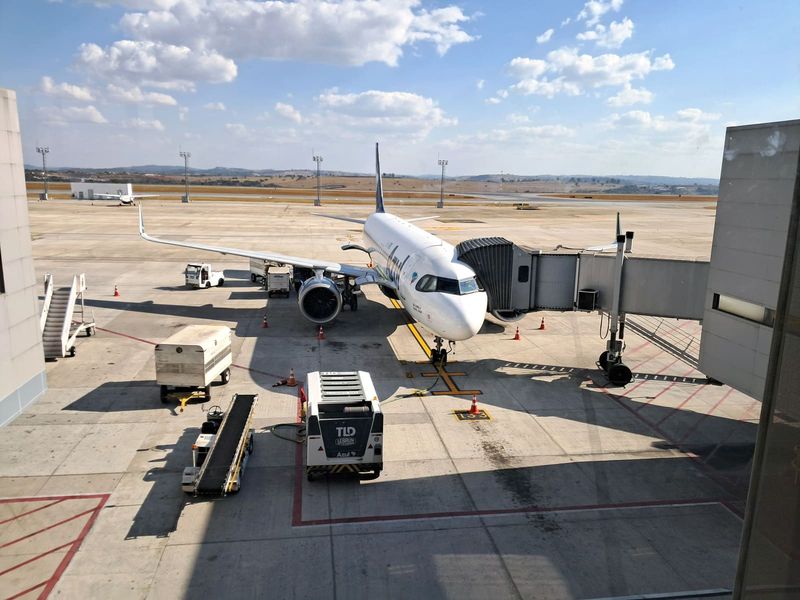
Kazakhstan is betting on infrastructure to unlock its tourism potential. New airports are under construction in remote corners of the country, highways are being paved across mountain passes that used to take hours to cross, and international airlines are adding routes. The aim is straightforward: make it easier to reach the places people want to visit.
The country welcomed 15.7 million foreign visitors in 2025, according to Kazakhstan's official statistics. Of those, 11.1 million stayed longer than a day, but only around 1.4 million used commercial accommodation. That gap suggests many arrivals are short-term crossings or visits to friends and family rather than leisure tourism. The government is working to change that by improving both access and the range of experiences on offer.
In the 2026 Travel and Tourism Development Index published by the World Economic Forum, Kazakhstan ranked 56th out of 110 economies, with a score of 4.089 out of seven. The ranking slipped from 52nd, but the score itself rose by 1.6 per cent. Other countries simply improved faster. What stands out in the data is where Kazakhstan made gains: tourist services and infrastructure jumped 22.7 per cent, air transport infrastructure rose 10.3 per cent, and digital readiness climbed five per cent.
New Airports in Remote Regions
Three new airports are scheduled for completion in 2026, according to government plans. Two are in East Kazakhstan Region at Katon-Karagay and Zaysan, near the Altai mountains and Lake Markakol. The third is at Kenderli, on the Caspian coast in Mangystau Region. These are not major hubs but gateways to areas that have been difficult to reach.
Katon-Karagay sits close to the border with Russia and China, surrounded by peaks, forests and hot springs. Until now, getting there meant a long drive from Ust-Kamenogorsk, including a notorious unpaved stretch at high altitude. Zaysan is further north, near another lake and mountain zone. Kenderli is intended to serve beach and desert tourism on the Caspian shore, an area with little existing aviation infrastructure.
Whether these airports attract regular flights will depend on demand, ticket prices and how well they connect to the destinations themselves. Regional airports often struggle with low frequency and seasonal schedules. But the intent is clear: to cut travel time and open up multi-day itineraries in places that currently see few international visitors.
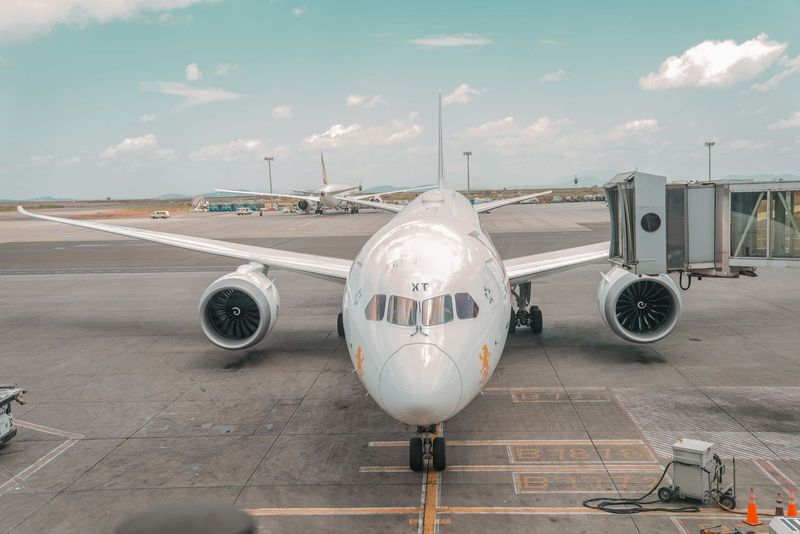
Existing airports are also being upgraded. Astana and Shymkent are getting second runways, Almaty's domestic terminal is being rebuilt, and work is under way at Atyrau, Pavlodar, Aktau and Arkalyk. Together, these projects represent a significant push to expand aviation capacity across the country.
A Mountain Highway That Used to Take Two Hours
In East Kazakhstan, a 13-kilometre section of the R-147 highway has been fully rebuilt. The stretch runs between kilometres 437 and 450, at high altitude, on the route from Ust-Kamenogorsk to Katon-Karagay and the Rakhmanov Springs. Previously, it was an unpaved track that could take up to two hours to cross in bad weather. Now it is a two-lane asphalt road that takes around 20 minutes.
The difference is more than convenience. The old road was a deterrent. Travellers had to factor in vehicle wear, weather delays and the possibility of getting stuck. The new surface makes the journey predictable, which matters for tour operators planning itineraries and for independent travellers deciding whether to go at all.
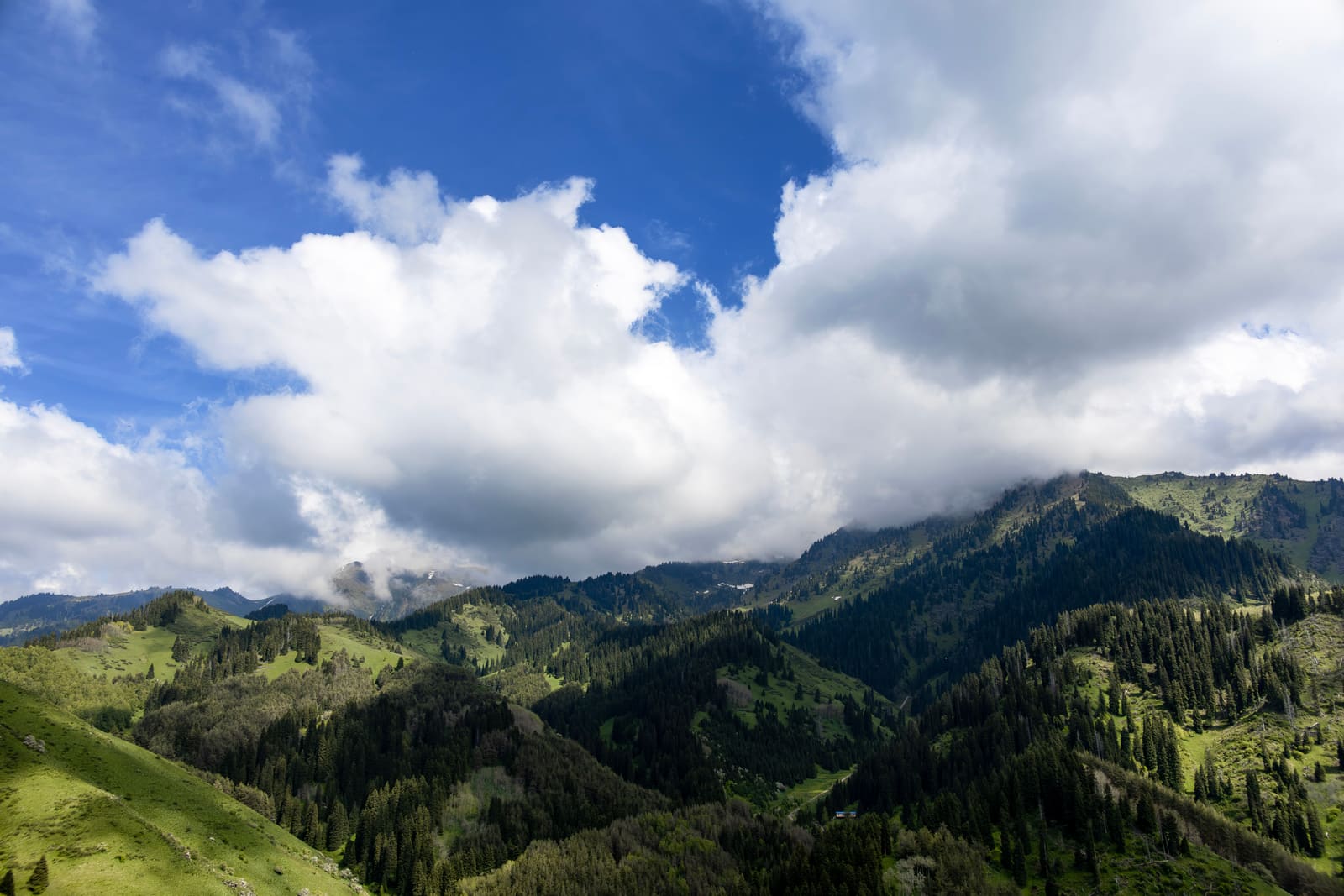
The Altai region offers trekking, horse riding, hot springs and quiet valleys. Katon-Karagay National Park covers more than 600,000 hectares and borders protected areas in Russia and China. Mount Belukha, Central Asia's highest peak, lies nearby. With better road access and the planned airport, the area is positioning itself for nature-based tourism that until now has been limited by logistics.
More Flights to More Places
Kazakhstan's international air network has grown steadily. As of 2026, the country is connected to more than 30 countries across 161 routes, with around 900 flights per week, according to government data. Air passenger traffic from January to August 2026 reached 11 million, up 3.8 per cent on the same period in 2025. Passenger kilometres flown rose 9.4 per cent to 22.7 billion.
Air Astana is due to launch a twice-weekly service from Almaty to Tokyo Narita on 30 November 2026. Japan has not had a direct link to Kazakhstan before. The route is aimed at both business travellers and tourists, with the potential to tap into Japan's outbound market for nature and cultural tourism.
China remains a priority. New routes and increased capacity are connecting Kazakhstan to more Chinese cities, reflecting both tourism demand and business ties. Expanded links to Europe and the Middle East are also in place, with airlines adding frequency to cities including Istanbul, Dubai, Frankfurt and Warsaw.
Looking further ahead, direct services between Kazakhstan and the United States are under consideration for 2027, subject to regulatory approval. If launched, the route would be the first scheduled connection between the two countries and could open up a new source market, particularly for adventure and heritage tourism.
The expansion of international connectivity is useful, but it does not guarantee growth. Routes need sustained demand to remain viable, and ticket prices matter. Budget-conscious travellers are more likely to visit if fares are competitive. Ground transport from airports to actual destinations is equally important. A flight to Almaty is less valuable if getting to the mountains or deserts involves another long, complicated journey.
What the Country Offers
Kazakhstan's tourism offer is diverse but not yet widely known. Almaty and the surrounding region combine city culture with mountain access. Ile-Alatau National Park, Charyn Canyon, Kolsai Lakes and Altyn-Emel are all within reach for hiking, camping and multi-day trips.
Astana, the capital, is a hub for business and events. The city is investing in meetings, incentives, conferences and exhibitions, with the hope that business visitors will extend their stays for leisure.
Burabay, in the north, has forests, lakes and a tradition of wellness tourism. The area is marketed for year-round recreation, including hiking, horse riding and health-focused stays.
Mangystau, in the west, is the country's adventure frontier. The landscapes are stark and otherworldly: Bozzhyra's chalk cliffs, the Torysh Valley's stone spheres, the Tuzbair Plateau. In 2026, five rock-cut mosques and sacred sites in Mangystau were inscribed on the UNESCO World Heritage List. The sites, Beket-Ata, Shopan-Ata, Karaman-Ata, Shakpak-Ata and Sultan-Epe, add a heritage dimension to jeep tours and desert expeditions.
Turkistan Region, in the south, is a centre for Silk Road heritage. The Mausoleum of Khoja Ahmed Yasawi, a UNESCO site, anchors itineraries that also take in the ruins of Otyrar and Sauran.
East Kazakhstan, as already noted, offers mountain and ecotourism around Katon-Karagay and the Altai. Lake Markakol, hot springs and remote valleys appeal to travellers looking for slow travel and nature immersion.
Infrastructure Alone Is Not Enough
Kazakhstan ranks second globally for price competitiveness in the World Economic Forum index, which is a significant advantage. It also scores well on the socioeconomic impact of tourism, health and hygiene, and natural resources. But other indicators lag. Environmental performance and transport accessibility beyond aviation remain areas for improvement.
Building airports and roads is the first step. The harder work is ensuring they are used. That means marketing destinations effectively, training guides and hospitality staff, maintaining facilities, and creating experiences that justify the journey. It also means managing environmental impact, particularly in fragile mountain and desert ecosystems.
The government is investing heavily, but the return depends on whether international travellers see Kazakhstan as worth visiting. The country is not competing on luxury or convenience. Its appeal lies in landscapes, space and a sense of discovery. For that to translate into visitor numbers, the infrastructure needs to work reliably, affordably and in a way that connects people to the places they came to see.