The Problem Has Outlasted Summer
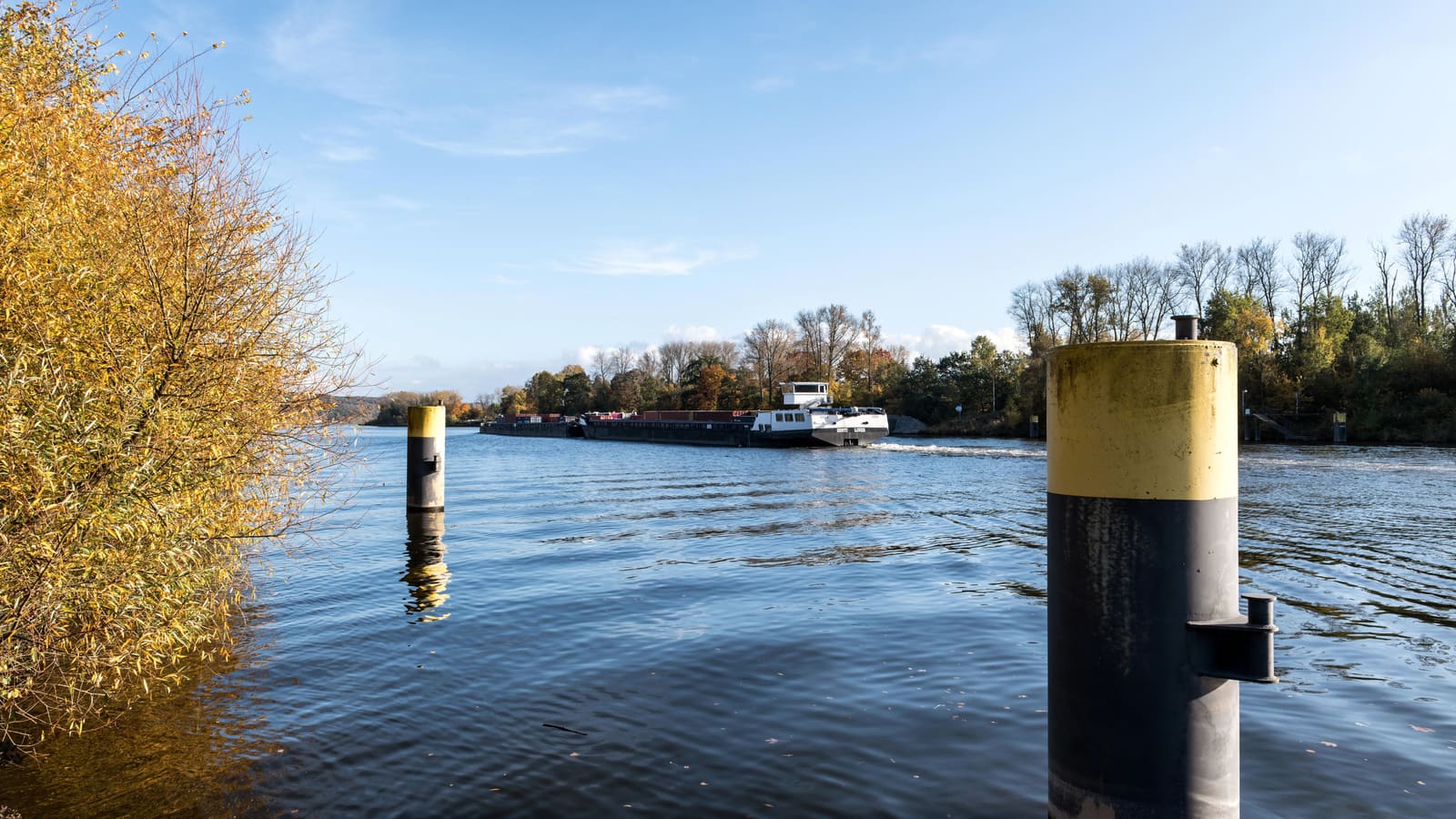
Europe's summer heatwave may have ended, but its effects on river cruising have not. Water levels on the Danube and Rhine remain low enough to disrupt sailings, with operators cancelling departures, redesigning routes, and in some cases moving passengers by coach rather than boat.
The Danube near Budapest hit levels close to its August lows in recent weeks, while sections of the river in Romania recorded their shallowest depths since 1996. The Rhine faces similar constraints. Without sufficient rainfall, these rivers have not recovered the depth needed for ships to dock safely at their usual berths.
Riviera Travel cancelled three Danube departures in October, citing an inability to deliver its standard guest experience. Nine Rhine sailings operated with revised itineraries, avoiding destinations further south such as Rüdesheim, Speyer, Strasbourg, and Breisach in favour of stops along the Moselle, including Cochem, Bernkastel, Trier, and Koblenz.
James Golding, the company's chief guest experience officer, described 2026 as unprecedented for low water on parts of Europe's rivers. Passengers on significantly altered itineraries received future travel vouchers as compensation.
Ship Swaps and Coach Transfers
Operators are deploying a range of workarounds to keep sailings moving. One involves positioning ships at opposite ends of an affected stretch of river and transferring passengers between them.
Viking uses this approach on the Rhine, deploying sister ships on the same itineraries in opposite directions. When water levels require it, passengers and luggage transfer to an identical stateroom on a sister ship positioned beyond the shallow section. In June, guests on a Rhine Getaway from Amsterdam to Basel spent 24 hours on their ship in Koblenz before a five-hour coach journey to Strasbourg to board another vessel.
Budapest, a major starting point for Danube cruises, has become a bottleneck. Ships struggle to dock in the city, so some passengers are beginning their trips with a hotel stay there before transferring by coach to a port where water levels are higher.
Uniworld confirmed it is making itinerary modifications and arranging alternative travel where needed. The company said its teams work closely with local authorities and regional partners to adapt as conditions change. Sailings in France, Italy, and Portugal are operating as scheduled.
Tui River Cruises faced complaints last month from passengers who travelled by coach and stayed in hotels rather than sailing due to low water on the Danube. The company apologised and said guests were informed about disruptions. Operators including AmaWaterways, Travelmarvel, and Uniworld are all managing similar challenges.
Why This Matters for Passengers
River cruise itineraries are always subject to navigational conditions, but prolonged drought has made this year worse than usual. Cancellations have been kept to a minimum so far, with operators favouring itinerary changes and ship swaps to avoid scrapping sailings altogether.
Riviera Travel said cancelling a cruise is always a last resort. The company is sending head office staff to join sailings where needed to support on-board teams and guests. Passengers currently travelling have provided overwhelmingly positive feedback, according to the operator, thanks to crew dedication and what it called a fantastic spirit of adventure among guests.
Still, the disruption raises questions about compensation and rights. Cruise lines typically offer refunds or rebooking credit if a sailing is cancelled outright. Changes during the sailing, however, may fall under the booking's terms and conditions, meaning itinerary alterations will not necessarily trigger refunds.
Travel insurance with cruise cover can help, particularly if it includes protection for prepaid activities that can no longer be attended or missed flights due to delays. Some cruise-specific policies cover factors such as insufficient or excessive water levels, offering more protection than standard travel insurance.
Planning Ahead
Operators say they are better prepared now than they were at the start of the season. Riviera Travel introduced a Holiday Guarantee that includes personal contact and clear choices if significant changes are needed, with options to move a holiday or cancel for a refund.
Ship deployment is typically planned two years ahead, which means spare vessels are usually available if needed, according to AmaWaterways. Costs for coach travel or extra hotel stays are not passed on to clients, the company confirmed.
For travellers concerned about disruption, rivers that have not faced these issues include the Seine, the Douro, the Mekong, and the Nile. The Cruise Lines International Association notes growing demand for long-haul holidays beyond Europe's traditional rivers, with more passengers exploring destinations in Asia and South America.
Whether this year's conditions become the new normal remains unclear. Riviera Travel said it does not expect them to be commonplace, but the experience has prompted the industry to refine its contingency planning. Passengers should stay in close contact with their operator or travel agent before and during their trip, particularly as hotter summers become more frequent.