What Happened
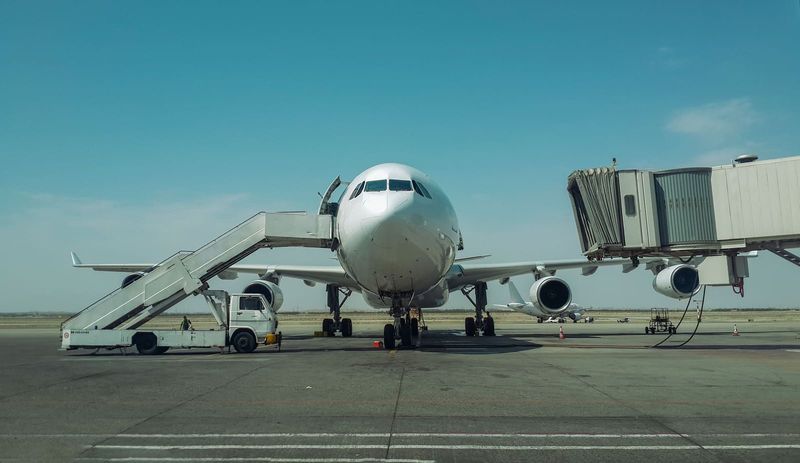
A British Airways flight heading to Portugal's Faro airport turned back to London Gatwick on Tuesday morning after crew discovered a cracked passenger window. Flight BA2660, operated by an Airbus A321, had been airborne for roughly an hour when the damage was identified.
The aircraft departed Gatwick at 9.06am and was tracking south over the English Channel when crew noticed the problem. According to British Airways, the plane issued a squawk 7700 alert, the standard aviation code for a general emergency, and began its return. Flight tracking data shows the jet performed a U-turn shortly after passing the coast of Brittany, France.
Crew identified structural damage to a window panel on the right side of the aircraft near row 3R. Emergency ground crews met the aircraft on arrival back at Gatwick, though the landing proceeded without incident.
Why Windows Crack
Aircraft windows are built in layers, and cracks in passenger windows typically affect only the outer pane. Modern jets maintain cabin pressure even with minor damage to a single layer, which is why flights can continue safely to a diversion airport rather than requiring an immediate descent.
That said, any compromise to a window prompts a cautious response. Pilots must assess whether the damage could worsen, whether cabin pressure is stable, and whether continuing to the destination or returning to base is the safer choice. In this case, British Airways opted to return to Gatwick, where maintenance facilities and replacement aircraft are readily available.
The roughly two-hour flight to Faro would have taken the jet over open water for much of the route. Returning to Gatwick kept the aircraft over land and closer to emergency support if needed.
Passenger Impact
British Airways apologised to customers for the delay and said its teams were working to get passengers to Faro. The airline did not specify how long the delay lasted or whether a replacement aircraft was dispatched.
Window cracks are rare but not unheard of. Last month, a Mesa Airlines flight operating as United Express returned to Houston after the first officer's windshield shattered shortly after takeoff. That flight, bound for El Paso, landed safely within 40 minutes of departure. Mesa Airlines confirmed there was no depressurisation, but standard procedure required a return to the airport.
The Bigger Picture
Incidents like these test the redundancy built into aircraft design. Passenger windows are not load-bearing and sit within a reinforced frame. Even if the inner pane were to fail, the aircraft's pressure hull remains intact.
Still, the decision to divert reflects a low tolerance for risk. Airlines and regulators prefer to err on the side of caution, particularly when a safe landing option is within reach. For passengers, the experience can be unsettling, but the protocols in place are designed to handle exactly these scenarios.
British Airways has not disclosed what caused the crack or whether the aircraft has since returned to service. Window damage can result from manufacturing defects, stress from repeated pressurisation cycles, or impact from debris during flight. Investigators will likely inspect the window and review maintenance records to determine the cause.