A Long-Requested River
Tui River Cruises will launch its first Seine itineraries in March 2028, bringing UK travellers to Paris and Normandy aboard a new 138-passenger vessel. The operator identified the Seine as the most requested river in customer research, and the move forms part of a wider expansion that will lift summer 2028 capacity by 26 per cent.
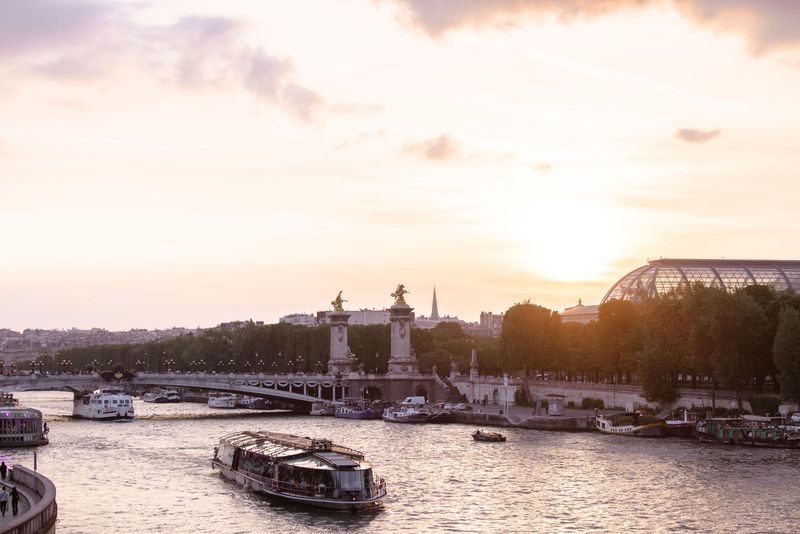
The TUI Elara, scheduled to launch in March 2027, will offer four-, seven- and ten-night sailings starting the following year. The ship will navigate central Paris, passing the Eiffel Tower, Notre Dame Cathedral and the Musée d'Orsay. Port calls include Vernon, the riverside town near Claude Monet's house and gardens; Rouen, Normandy's historic capital associated with Joan of Arc; and Le Havre, where the river meets the English Channel.
Shore excursions will cover Normandy's wartime history, including the D-Day landing beaches. Air France flights from UK airports to Paris Charles de Gaulle are included in the package price.
Suite Upgrades and New Builds
TUI Elara will carry 70 cabins, introducing the brand's first French Balcony Junior Suites. These include nightly turndown service and continental breakfast delivered to the cabin.
Tui has also announced two purpose-built ships for the UK market. TUI Zora will sail the Rhine from May 2028, while TUI Velara will focus on the Danube from August 2028. Both vessels will accommodate 188 guests across 94 cabins and feature what the operator describes as the largest suite balconies in its fleet. The designs incorporate feedback from existing passengers.
Growth Across Seven Rivers
The summer 2028 programme spans seven European waterways. TUI Luzia will operate on the Douro, TUI Aria will cover the Danube as the largest ship in the fleet, and dedicated solo sailings will run on TUI Maya on the Danube and TUI Skyla on the Rhine. The network now includes the Rhine, Moselle, Danube, Dutch and Belgian waterways, the Douro, the Nile and the Seine.
Katy Berzins, head of river cruises at Tui River Cruises, said the summer 2028 season represents the brand's largest launch. She noted year-on-year growth in occupancy and strong demand for newer additions such as the Douro.
Why the Seine Matters Now
River cruising in France has rebounded since pandemic-era restrictions lifted, and the Seine benefits from proximity to a major international airport and a concentrated set of landmarks within a relatively short sailing distance. For operators targeting the UK market, the appeal lies in packaging flights, transfers and excursions into a single price point, simplifying logistics for travellers unfamiliar with independent river bookings.
The 26 per cent capacity increase signals confidence in a segment that has historically leaned on the Danube and Rhine. Adding the Seine diversifies risk and taps latent demand for itineraries that combine urban sightseeing with regional history. The emphasis on suite upgrades and solo sailings reflects broader industry trends: river cruise passengers are willing to pay for space and privacy, and single-occupancy cabins address a gap in the market that ocean cruise lines have been slower to fill.
Tui's timing aligns with the completion of Notre Dame's restoration work, expected to draw renewed attention to Paris in 2028. While the operator has not disclosed pricing, the inclusion of flights and the introduction of junior suites suggest positioning toward the mid-to-premium segment rather than budget travellers.
The expansion also underscores the UK market's appetite for packaged river products. Unlike travellers in Germany or the Netherlands, who can easily drive to embarkation points, UK passengers typically need air connections, making bundled offerings more attractive. By controlling more of the supply chain, from flights to shore excursions, Tui can smooth out variables that complicate independent bookings and appeal to first-time river cruisers seeking predictability.
Whether the Seine can sustain year-round operations remains to be seen. The river is subject to seasonal water-level fluctuations, and winter itineraries may face the same challenges that have occasionally disrupted Rhine and Danube schedules. For now, Tui is concentrating on the summer season, when water levels are more stable and demand peaks.
The broader question is how much room remains for growth in European river cruising. The Rhine and Danube are mature markets with dozens of operators, and adding capacity risks oversupply if demand softens. The Seine, however, has been underserved relative to its appeal, and Tui's research suggests unmet interest. The test will be whether passengers who have already sailed the Rhine and Danube are ready to return for a different river, or whether the operator will need to rely on attracting newcomers to the category.