A Market Reopening
Several multinational hotel operators are negotiating deals in Syria, drawn by a recovering visitor market and government efforts to attract investment. Accor has advanced talks for two properties, while Wyndham is evaluating sites in the capital and along the Mediterranean. Minor Hotels is exploring conversions of older Damascus buildings into smaller boutique properties.
The interest comes as Syria positions itself to capture a growing stream of arrivals, though the composition of that traffic matters. Government figures show 3.52 million people entered the country in the first six months of 2026, a 111 per cent increase on the same period in 2025, according to Tourism Minister Mazen Al-Salhani. Yet the largest segment by far consists of Syrians living abroad: 2.13 million of the total, or roughly 60 per cent. Arab countries contributed around 660,000 visitors, with another 720,000 from elsewhere.
That reliance on diaspora traffic underscores the market's current shape. Returning expatriates are a core audience for developers, not just an ancillary one.
Dimitris Manikis, Wyndham's president for Europe, the Middle East and Africa, said the company expects to announce its first Syrian contract soon. Duncan O'Rourke, Accor's chief executive for the Middle East, Africa and Asia-Pacific, confirmed negotiations are well progressed.
Large-Scale Development Plans
Beyond individual hotels, developers from the United Arab Emirates are proposing much larger schemes. Eagle Hills signed a framework agreement with the Syrian government on 5 October covering a 10 million square metre project in Damascus and a 4.3 million square metre development in Latakia, the coastal city. Framework agreements set out terms for cooperation rather than finalising construction; financial commitments were not disclosed.
Mohamed Alabbar, chairman of Eagle Hills, suggested that Emaar, which is separately working on a Damascus project, might join the two developments. Another UAE developer, Arada, has outlined a $7 billion plan for Syria, though details remain scarce.
Such announcements have sparked local pushback. Communities in Damascus suburbs have protested against large government-backed developments, a reminder that reconstruction is not uniformly welcomed.
Infrastructure Gaps
Air access is improving but uneven. Qatar Airways and flydubai serve Syria via their Gulf hubs, and Etihad Airways said on 7 October it would increase Damascus flights from four per week to daily. Yet the pace of airline restoration varies widely, and an open airport does not guarantee comprehensive connectivity.
Payment infrastructure presents another practical barrier. Visa and Mastercard announced plans in September to begin operations in Syria, but electronic payment acceptance remains limited to certain foreign bank cards at select locations. For an industry built on digital transactions, the gap is significant.
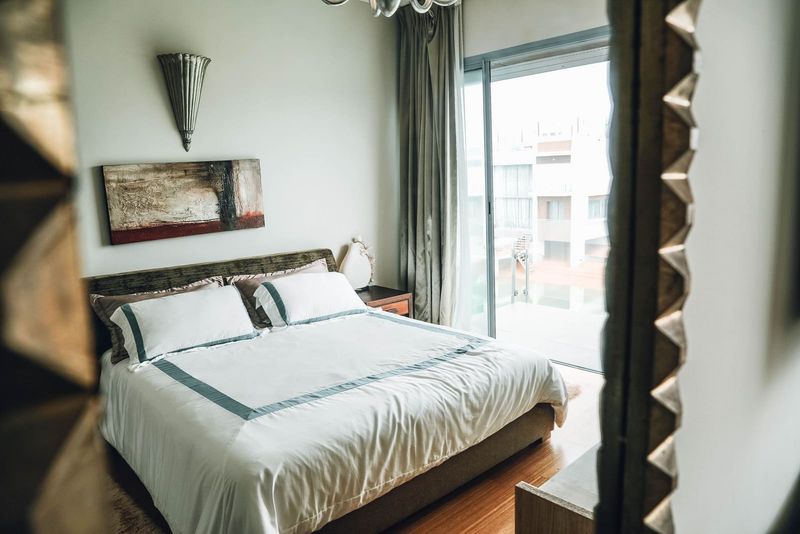
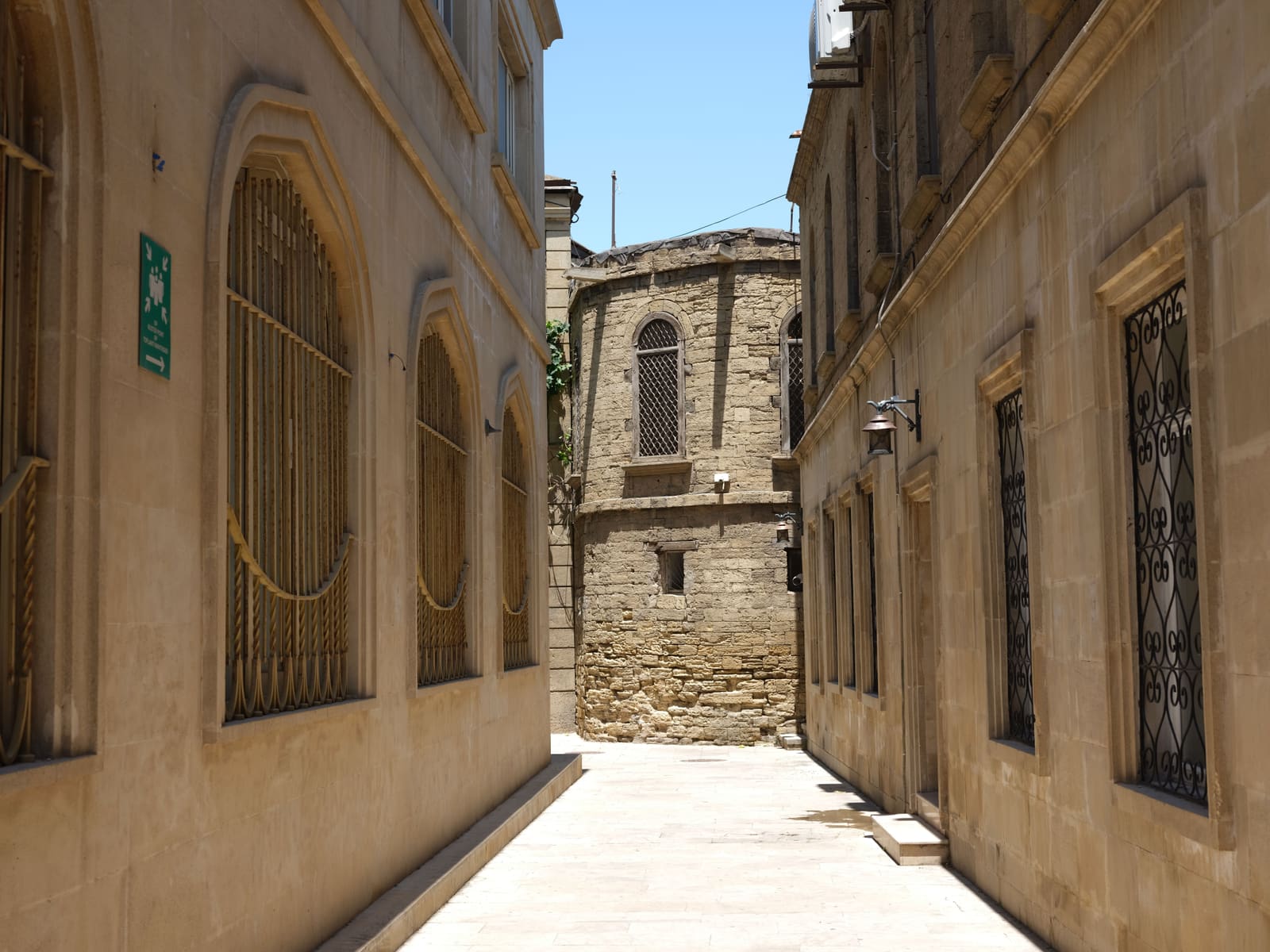
Accommodation stock is another constraint. Amir Golbarg, Minor Hotels' chief operating officer for the Middle East and Africa, described the existing hotel inventory as "very tired" after years of isolation. Traditional homes in Damascus have functioned as locally run boutique hotels for decades, but bringing older properties up to international standards requires capital and time.
The World Bank estimated Syria's total reconstruction cost at $216 billion in 2025, with $75 billion allocated to residential buildings and $59 billion to non-residential structures. Those figures encompass the country's broader rebuilding needs, not tourism alone, but they illustrate the scale of work ahead.
Persistent Risks
Security remains a live concern. Violence continues in parts of Syria, and the US State Department advises American citizens against travel there. President Ahmed al-Sharaa has sought to improve relations with Western governments and attract foreign investment, but diplomatic engagement does not erase the risks facing visitors or the operational challenges confronting developers.
The gap between announced projects and completed buildings can be wide in post-conflict markets. Framework agreements, memoranda of understanding and expressions of interest signal intent, but they are not hotels.
What It Means for Travellers
For now, Syria's visitor market is heavily weighted toward expatriates and regional travellers. The government's Syria 2030 vision emphasises tourism investment, employment and digital payment systems, but the timeline for meaningful change depends on factors beyond the hotel sector: airline schedules, payment networks, security conditions and the pace of infrastructure renewal.
Hotel operators are making early moves, but the market they are entering is narrow and fragile. The presence of major chains could eventually signal a broader opening, yet the current picture is one of cautious exploration rather than a full-scale return.