A New Gateway to the Ice
Silversea has opened a 150-room hotel in Puerto Williams, Chile, the southernmost city on Earth. The property, called Cormorant at 55 South, is not a public hotel. It exists solely for passengers booked on the cruise line's Antarctica fly programmes, which let travellers skip the often turbulent Drake Passage by flying part of the route instead.
The hotel opened this month and replaces an earlier arrangement in the Punta Arenas area, several hundred kilometres farther north. Guests now spend one night at Cormorant before flying to King George Island to board their ship, and another night on the return leg before heading home.
The change shortens the overland logistics and puts passengers closer to the embarkation point. It also creates a dedicated staging post for a product that has become popular enough to justify purpose-built infrastructure.
What the Hotel Offers
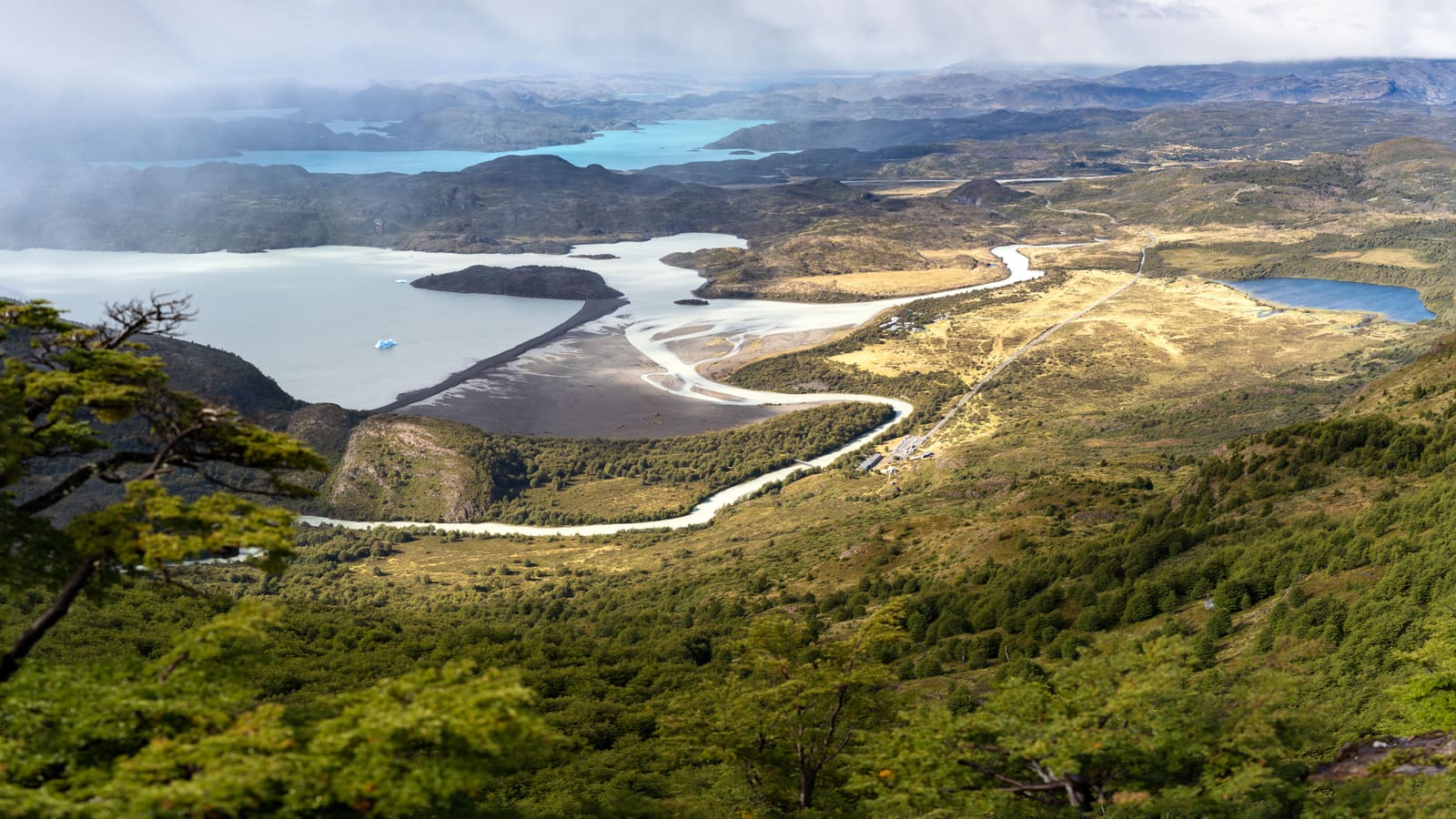
Rooms at Cormorant look out over either subantarctic forest or the Beagle Channel, the narrow strait that separates Tierra del Fuego from islands to the south. The hotel has three public spaces: Bar Sur, which stocks Chilean wine; Latitude 55, serving regional food; and a lounge with a fireplace.
The same expedition guides who lead Silversea's Antarctic voyages are present at the hotel and can organise activities during the overnight stay. Options include kayaking the Beagle Channel, guided walks on Navarino Island, and horse riding excursions in the surrounding landscape.
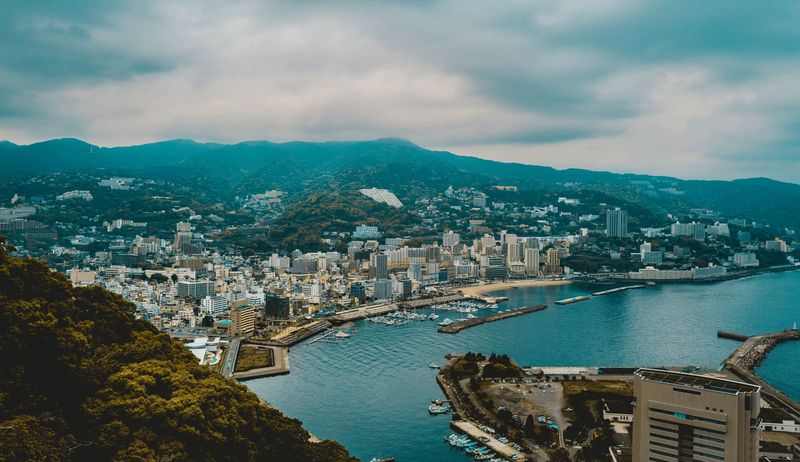
Puerto Williams sits on Navarino Island and has fewer than 3,000 residents. It holds the title of the world's southernmost city, though the definition depends on whether you count settlements below a certain population threshold. Ushuaia, Argentina, just across the channel, is larger and often claims the same distinction. The debate is semantic; both are far south, and both serve as departure points for Antarctic travel.
The Fly Cruise Model
Silversea operates 29 fly cruises to Antarctica through March 2027, using three ships: Silver Endeavour, Silver Wind, and Silver Cloud. The itineraries start with a commercial flight to Santiago, then a charter flight to Puerto Williams. From there, passengers fly to King George Island in the South Shetlands, where they board the ship.
The model appeals to travellers who want to avoid the Drake Passage, a 1,000-kilometre stretch of open ocean between South America and Antarctica. The passage is infamous for rough seas, though conditions vary. Some crossings are calm; others are not. The fly option cuts two days of sailing each way.
Silversea also offers traditional voyages that sail through the Drake and include stops at the Falkland Islands and South Georgia. Those itineraries range from six to 21 nights. The cruise line has 40 Antarctic departures this season, making the region a core part of its expedition portfolio.
The Economics of Exclusivity
Cruise fares for Silversea's Antarctica fly programmes start at £9,300 per person and include the hotel nights. That price point reflects the expedition cruise segment, which tends to be more expensive than mainstream cruising due to smaller ships, lower passenger counts, and the cost of operating in remote environments.
Building a hotel that only your own passengers can use is an unusual move, even in the expedition market. It signals confidence in sustained demand and a willingness to control more of the guest experience rather than relying on third-party accommodation. It also raises the barrier to entry for competitors who would need similar infrastructure to match the offering.
For Puerto Williams, the hotel represents a modest economic boost. The town has limited tourism infrastructure compared to Ushuaia, and most Antarctic-bound travellers have historically passed through Argentina. Silversea's investment shifts some of that traffic to the Chilean side.
A Seasonal Operation
Antarctica's cruise season runs roughly from November to March, when daylight hours are longer and ice conditions are more navigable. Outside that window, the Cormorant likely sits empty or operates at minimal capacity. That seasonality is a constraint for any hospitality venture this far south, but it aligns with the rhythm of polar tourism.
The hotel's name references the cormorant, a seabird common in the region. The "55 South" refers to the approximate latitude of Puerto Williams, which sits at 54.9 degrees south. It is a branding choice that leans into geography, much like the broader trend in travel marketing that emphasises edges, extremes, and superlatives.
Whether the Cormorant truly qualifies as the southernmost hotel on Earth depends on definitions. There are research stations farther south with accommodation, and some tour operators run seasonal camps on the Antarctic Peninsula itself. But as a year-round structure with hotel-standard rooms, it has a credible claim.
What It Means for Antarctic Travel
The opening of Cormorant at 55 South is less about the hotel itself and more about what it represents: the maturation of fly-cruise as a product category. A decade ago, flying to Antarctica was a niche option. Now it is common enough that a major cruise line has built dedicated infrastructure to support it.
That shift reflects broader changes in how people access remote destinations. Travellers are increasingly willing to pay a premium to compress time, avoid discomfort, or maximise days on the ground. The fly-cruise model does all three, and the Cormorant makes the logistics smoother.
It also underscores the growing competition for Antarctic tourism. The number of visitors to the continent has risen steadily, and cruise lines are differentiating with specialised itineraries, newer ships, and now, exclusive accommodation. Whether that growth is sustainable, or desirable, is a separate question.