A Voyage Cut Short
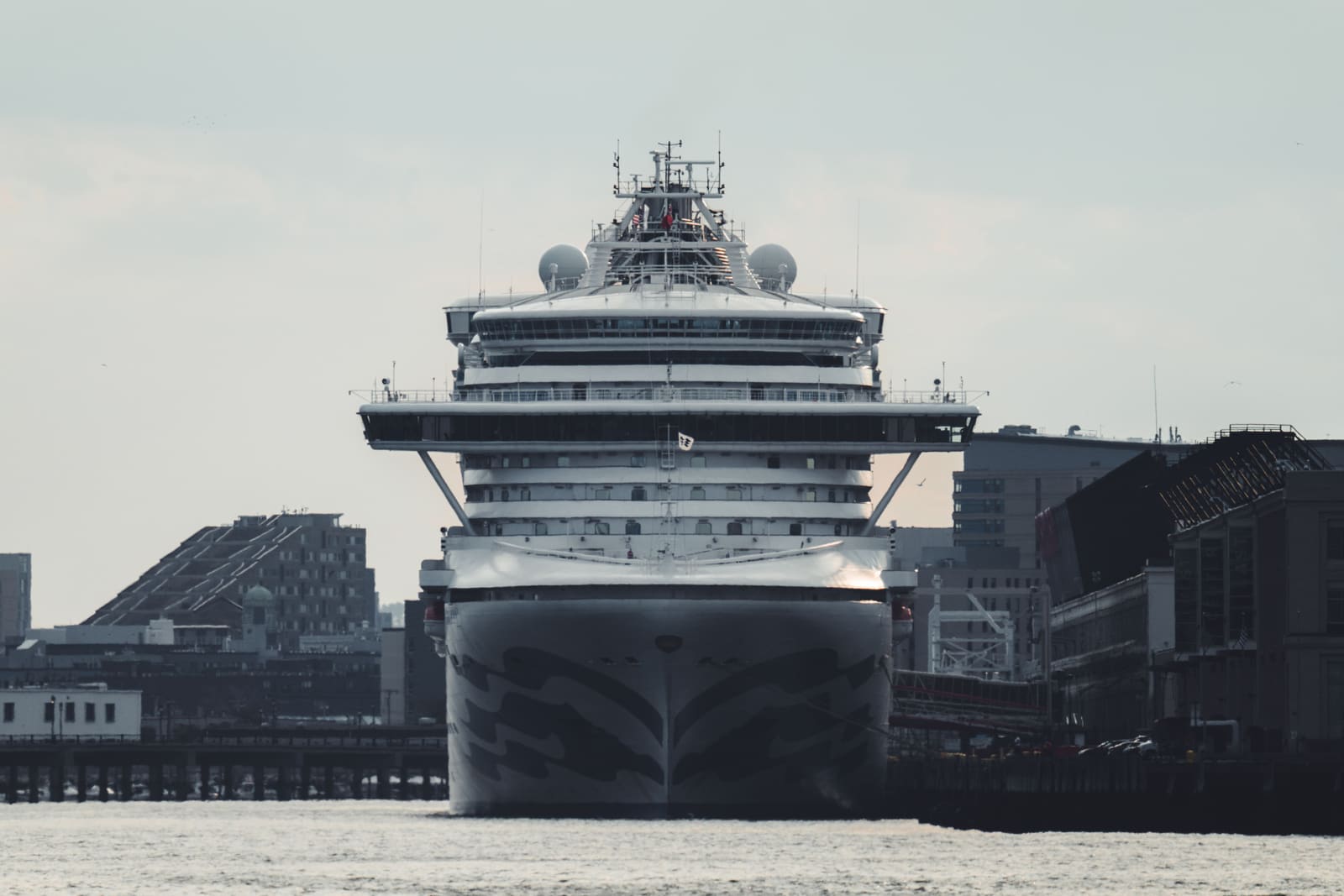
The MV Odyssey sits at Sihanoukville port on Cambodia's Gulf of Thailand coast, its engines quiet. On board are 203 passengers and 156 crew, most of them uncertain when or whether the ship will move again. The vessel, operated by Florida-based Villa Vie Odyssey, had set out from Belfast in October 2024 on what was billed as a continuous voyage around the world. Two years later, that journey has come to an unexpected stop.
Villa Vie Odyssey announced the suspension in a statement, citing extraordinary increases in fuel costs that have made its operating model financially unsustainable. The company said it is working with passengers on temporary living arrangements and evaluating restructuring options over the next 60 days. For now, the ship remains docked, and no departure date has been set.
The Numbers Behind the Crisis
Fuel prices have climbed steeply since early 2026. According to Villa Vie Odyssey, monthly fuel costs per cabin in parts of Asia have risen from 1,800 US dollars to as much as 8,000 dollars. Global oil prices reached above 117 dollars a barrel in October 2026, driven in part by disruptions to supply routes in the Middle East. The Strait of Hormuz, a key passage for oil transport, has been effectively closed since late February.
The MV Odyssey has capacity for 650 passengers but was carrying just over 200 on this voyage, most of them Americans. The ship operates as a residential cruise, offering cabins for purchase rather than traditional ticket-based bookings. One passenger, Carol Larson, told the Associated Press she paid 120,000 dollars for her cabin in instalments, with additional monthly maintenance fees, under a programme that allowed her to live aboard for up to 15 years.
Warnings Along the Way
Randy Cassingham, a resident on the ship, wrote in a blog post that the suspension did not come entirely without warning. Passengers had been aware of mounting problems, he said, describing a cascade of issues from the business model to management decisions and the fuel crisis. Still, the official announcement, posted on a message board on a Monday morning, marked a stark turning point.
Last month, according to passenger Pamela Reckamp, company officials held a meeting in Ha Long Bay, Vietnam, asking cabin owners to help raise one million dollars so the ship could continue. Reckamp, 59, recalled being told that without the funds, the ship had about four days of operation left before power and air conditioning would shut off.
Life at Sea, Then Limbo
For some passengers, the decision to live on the MV Odyssey was more than a travel choice. Larson, 69, from California, lived aboard for 18 months with her sister, Crystal Lavering, 72. She told the Associated Press that the experience had improved her health and expressed hope the voyage could still be salvaged.
Larson acknowledged the risk inherent in joining a start-up venture. She said she had told herself from the first day that if the journey lasted a year, she would consider it money well spent. Despite the suspension, she said she did not regret the investment and felt fortunate to have been part of what she called the experiment of residential cruising.
What Happens Next
Villa Vie Odyssey has not detailed what restructuring or recapitalisation might look like, nor what temporary living arrangements will mean in practice for passengers who sold homes or rearranged lives to be at sea. The company is supporting residents, crew, and employees during the 60-day evaluation period, but the outcome remains unclear.
The suspension raises broader questions about the viability of long-term residential cruising in an environment of volatile fuel prices. The MV Odyssey's troubles illustrate how dependent such ventures are on stable operating costs and how quickly external shocks can upend even the most ambitious plans. For the passengers in Sihanoukville, the wait continues.