A Round-Trip Route From Australia
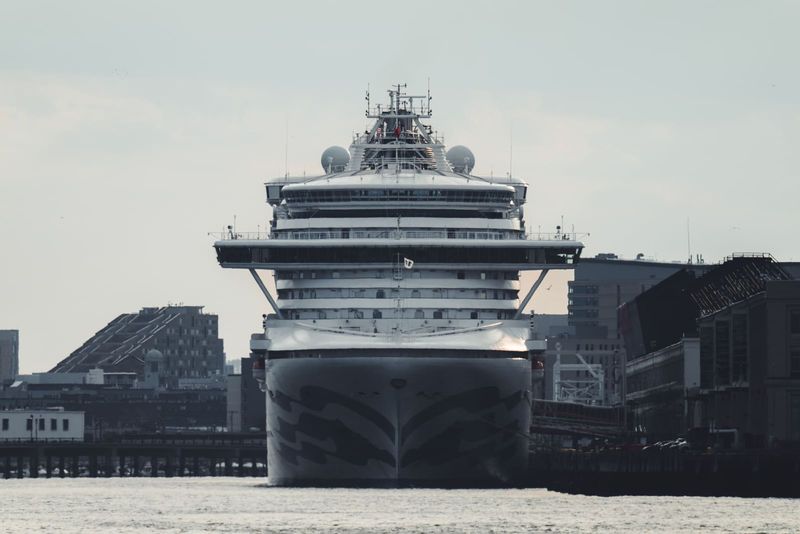
Princess Cruises has scheduled a 129-night world voyage aboard Grand Princess for 2029, departing from and returning to Australian ports. The Grand World Odyssey will cover roughly 37,300 nautical miles, calling at 61 destinations across 31 countries on five continents, according to Princess Cruises.
Passengers can board in Sydney, Brisbane, or Melbourne. Travellers starting in the United Kingdom will have the option to join in Dover. The ship will visit ports across the South Pacific, the Americas, and Europe, including New York, Miami, Reykjavik, Lisbon, Barcelona, Copenhagen, Tahiti, and Auckland.
The itinerary includes two complete transits of the Panama Canal through its newer locks, scenic passages near Easter Island and Pitcairn Island, and access to 51 UNESCO World Heritage sites. The ship will cross both the Equator and the International Date Line twice during the voyage.
Extended Port Stays and Fuel Considerations
Princess Cruises has built in eight late-night stays and one overnight port call. Lima (via Callao), Lisbon, and New York are among the cities where passengers will have extended time ashore. The longer calls give travellers more flexibility to explore beyond typical single-day port visits, though they also allow the vessel to manage fuel consumption more efficiently during an itinerary of this length.
The timing reflects broader industry awareness of operating costs. Fuel volatility has affected long-haul cruise operations in recent months. In late October 2026, Villa Vie Odyssey passengers were asked to disembark with minimal notice after fuel price increases tied to geopolitical instability made the voyage financially unsustainable for the operator. While Princess Cruises has not commented on fuel strategy for the Grand World Odyssey, the scheduling of extended port stays may offer some operational cushion.
Broader Regional Deployment
The world voyage sits within a larger 2028-29 programme for Australia, New Zealand, and the South Pacific. Princess Cruises will deploy three ships in the region: Grand Princess, Emerald Princess, and Royal Princess. The programme spans more than 90 departures and over 70 itineraries, ranging from two to 46 nights.
Departure cities include Adelaide, Auckland, Brisbane, Melbourne, Perth (via Fremantle), and Sydney. This marks the return of Melbourne as a homeport and the first Australian season for Emerald Princess since 2016-17. The company has also scheduled 17 round-Australia voyages during the season.
Itineraries will cover trans-Tasman routes, the Kimberley Coast, Queensland, Tasmania, and southern Australia. Destinations highlighted by Princess Cruises include Fiordland National Park, Phillip Island, and Kangaroo Island. Selected cruises in the regional programme will also feature late-night or overnight port calls.
Market Positioning and Booking Timeline
The deployment expands the range of departure points beyond the Sydney-Brisbane corridor that has traditionally anchored cruise operations in the region. Including Adelaide, Melbourne, and Fremantle as embarkation ports may appeal to travellers who prefer not to position themselves interstate before boarding.
The mix of short and extended itineraries is designed to serve both domestic passengers looking for a quick getaway and international visitors combining a cruise with a land-based holiday. Jim Berra, chief commercial officer at Princess Cruises, said the schedule offers passengers "more ways to discover remarkable destinations, immerse themselves in different cultures and see the world in new ways."
Bookings for the Grand World Odyssey and the broader 2028-29 programme open on 10 November 2026. Princess Cruises has announced introductory incentives available until 16 February 2027, including onboard credit and reduced deposits, though terms vary by voyage and passenger eligibility.
The 129-night voyage is notable not for introducing a new vessel or uncharted territory, but for its Australian round-trip format and the breadth of embarkation options. Whether the extended itinerary and port schedule prove commercially viable will depend in part on how fuel markets and operating costs evolve over the next three years.