A Dream Cut Short
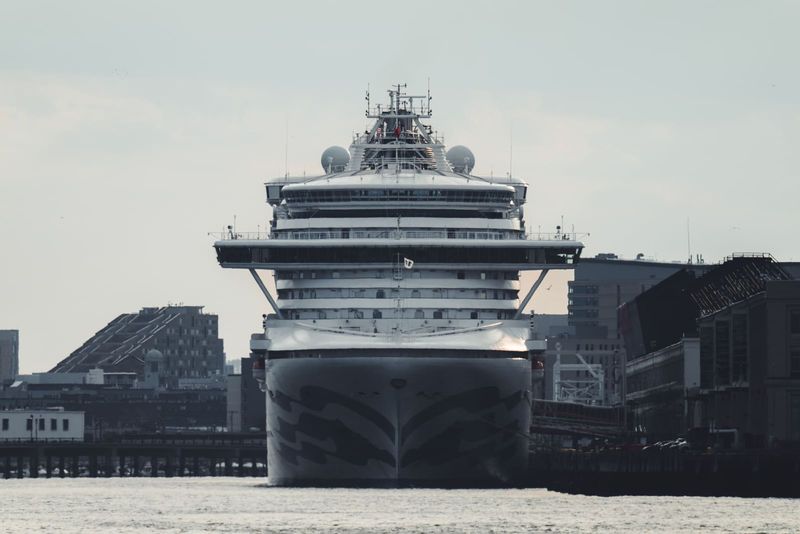
On 26 October 2026, passengers aboard the Villa Vie Odyssey received a directive few expected: leave the ship by 2 pm. For those who had purchased permanent residencies starting at $119,999 (approximately €110,900) when the vessel launched in 2024, many having sold homes and possessions to commit to life at sea, the announcement marked an abrupt end to what was meant to be a never-ending voyage.
The reason, according to Villa Vie Residences, is straightforward. Monthly fuel costs per cabin have climbed from $1,800 to $8,000, a 344 per cent increase the company says it cannot absorb or pass on to residents. "The company cannot simply pass increases of that scale on to residents, and the resulting shortfall has placed its current operating model under unsustainable financial pressure," the cruise line stated.
The spike in fuel costs follows a 90 per cent surge in Brent crude oil prices through late October 2026, driven by ongoing conflict in the Middle East. For a vessel designed to sail continuously, the economics became unworkable.
Already Troubled Waters
The Odyssey's troubles began well before the fuel crisis. The ship launched late in 2024, and passengers had already voiced complaints about last-minute itinerary cancellations, plumbing failures, and unreliable Wi-Fi. Some residents have since criticised the lack of a formal apology from Villa Vie for the sudden termination of their residency.
Passenger Randy Cassingham, who has been documenting the voyage, described the situation as temporary and noted that the company was unable to secure the fuel needed to continue. "As a result, the Odyssey will enter a temporary layup this afternoon, with crew remaining onboard to maintain the vessel and its essential systems," he wrote.
Villa Vie Residences has echoed that language, stating it is working with residents to arrange disembarkation and temporary accommodation. The company added that it recognises the disruption for residents, crew, and employees, and is providing support as plans develop.
Cost-Cutting Measures That Failed
Villa Vie executive chairman Mikael Petterson acknowledged the company had already tried to mitigate fuel expenses by reducing sailing time and spending more hours in port. Those adjustments, however, proved insufficient. "Those measures have not been enough to offset the extraordinary increase in fuel costs, and we have been unable to continue carrying the resulting operating losses," Petterson said.
He added that passing the full cost increase to residents was not realistic, and the company is now working on restructuring and recapitalisation over the next 60 days. "That work is ongoing, and no outcome is assured," he said.
Why Cambodia
The ship's final stop in Cambodia is not incidental. Cambodia has no domestic oil refineries and relies entirely on refined fuel imports from Singapore, Vietnam, Malaysia, and China. That dependence makes the country particularly vulnerable to global supply disruptions and regional price surges, complicating efforts to refuel at a manageable cost.
With ongoing blockades affecting shipping routes, including constraints in the Strait of Hormuz, the challenge of securing affordable fuel in Cambodia likely accelerated the decision to suspend operations.
What This Means for Long-Term Travel
The collapse of the Odyssey's operating model raises questions about the viability of residential cruise products in volatile economic conditions. Passengers who committed substantial savings and uprooted their lives now face uncertainty about whether the voyage will resume, and if so, when.
Villa Vie's repeated use of the word "temporary" leaves room for hope, but the company has not provided a timeline or guarantee. For prospective buyers of similar offerings, the episode serves as a reminder that long-term travel commitments carry financial and operational risks beyond the control of passengers.
Air travel is also feeling the pressure. Ticket prices are forecast to continue rising as fuel costs remain elevated, a trend that will affect not only cruise passengers seeking alternative transport but travellers across all segments.
The situation facing Villa Vie residents is a stark illustration of how global events can reshape personal plans in unexpected ways, particularly when those plans hinge on industries sensitive to commodity prices and geopolitical stability.