A Working Group Takes Shape
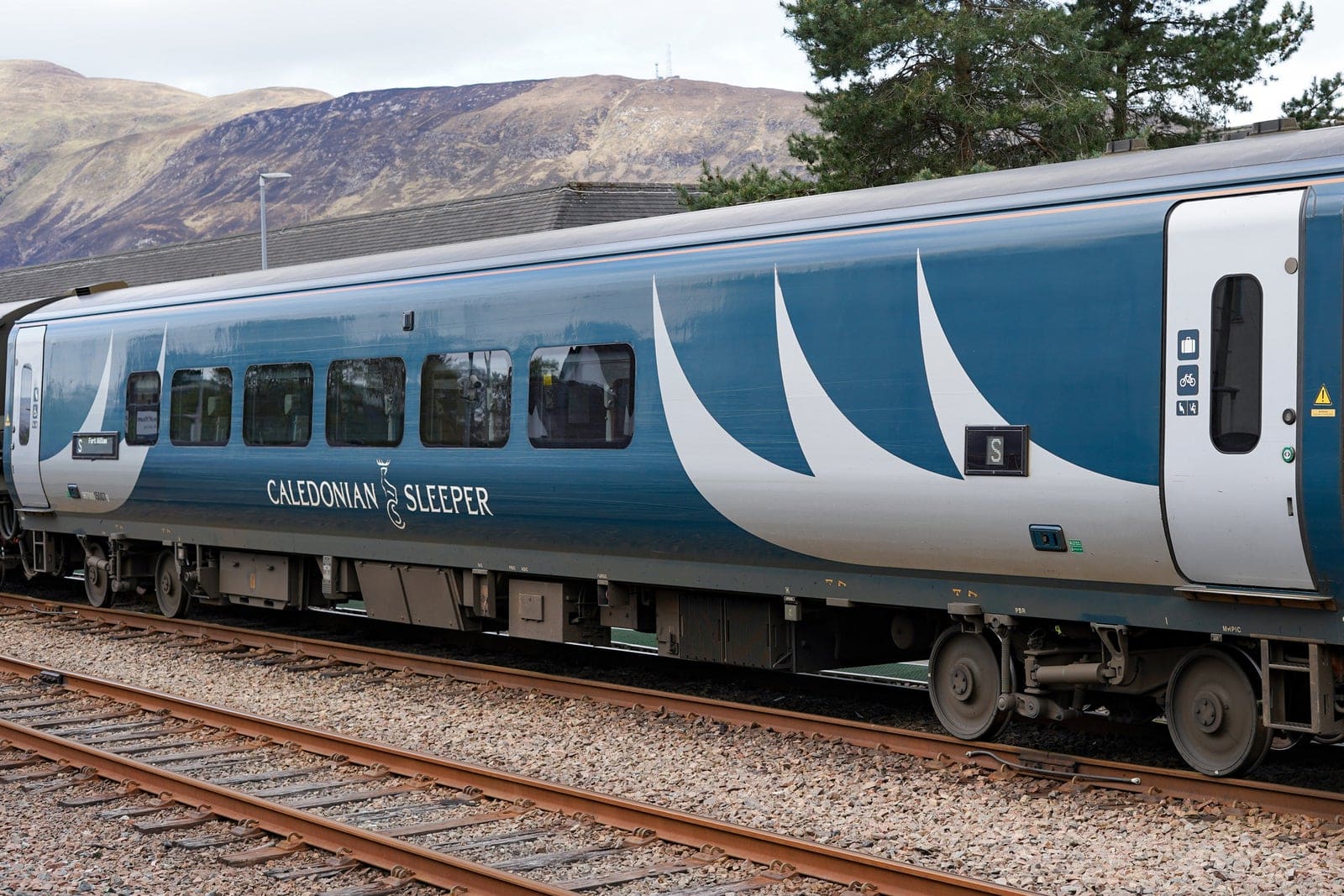
Transport Scotland announced this week that it has convened a working group to explore whether the Caledonian Sleeper could extend its network beyond London to reach destinations on the European continent. The group, which includes representatives from Transport Scotland, Scottish Rail Holdings, and Caledonian Sleeper, held its first meeting to begin scoping out a feasibility study.
The Caledonian Sleeper currently runs five routes six nights a week, linking Scottish cities like Aberdeen, Inverness, Fort William, Glasgow, and Edinburgh with London. The service also calls at smaller stations including Dundee, Perth, Gleneagles, and Carlisle. Extending those routes through the Channel Tunnel would mark a significant shift in how travelers move between Scotland and the continent.
The Manifesto Commitment Behind It
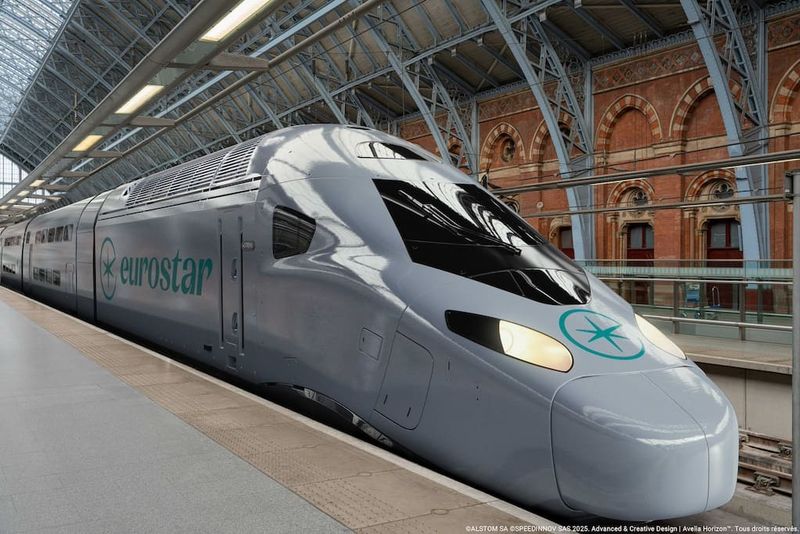
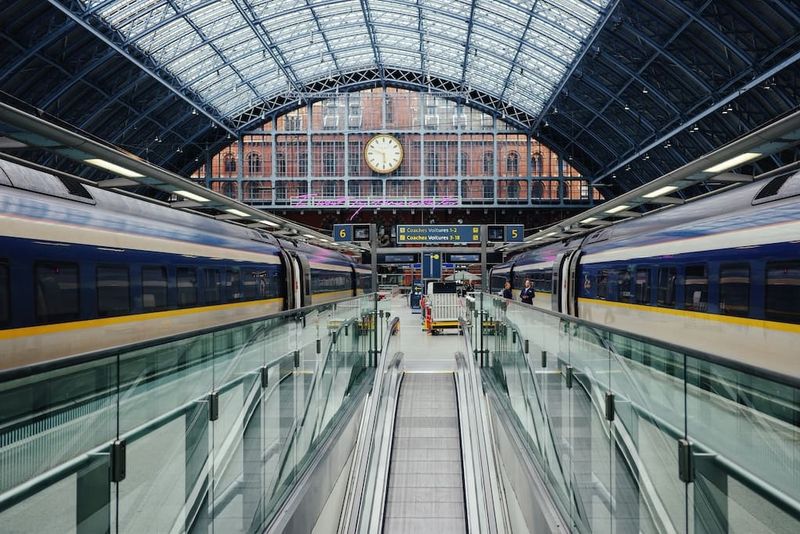
The feasibility study stems from a pledge made in the Scottish government's manifesto, according to Transport Scotland. The Scottish National Party committed to exploring rail connections to Europe as a way to cut reliance on short-haul flights. The manifesto specifically mentioned running sleeper trains through the Channel Tunnel, the same route Eurostar uses for high-speed services between London and Paris.
Stephen Flynn, Cabinet Secretary for Economy, Tourism and Transport, said the working group represents an important first step in fulfilling that commitment. He emphasized that the study is in its early stages and will focus on practical, technical, and commercial considerations. The findings, he noted, will provide an evidence base for any future decisions. The group is expected to deliver its report to Scottish ministers later this year.
Not the First Time This Idea Has Surfaced
The concept of overnight trains from Britain to the continent is not new. In the mid-1990s, a project called Nightstar proposed similar cross-channel sleeper services, but it was eventually abandoned. That earlier attempt ran into logistical and commercial obstacles, and the trains built for the service were never used as intended.
Whether this latest effort will fare better depends on what the feasibility study uncovers. The working group will need to address gauge compatibility, border and customs procedures, rolling stock requirements, and the commercial viability of competing with budget airlines on routes like Edinburgh to Paris or Glasgow to Brussels.
What It Could Mean for Travelers
If the service goes ahead, it would offer an alternative to flying for travelers moving between Scotland and cities like Paris, Amsterdam, or Brussels. Overnight trains appeal to passengers who want to avoid early-morning flights and airport queues, and who value the ability to sleep through the journey and wake up at their destination.
The environmental case is also part of the equation. Rail travel produces significantly lower carbon emissions per passenger than short-haul flights, and the Scottish government has made reducing aviation's climate impact a policy priority. A direct sleeper service could draw some passengers away from domestic and short-haul European flights, though the scale of that shift would depend on pricing, frequency, and travel time.
Challenges Ahead
The study will need to tackle several practical questions. The Caledonian Sleeper uses rolling stock designed for the UK rail network, and adapting or replacing those trains to meet European standards could be costly. The Channel Tunnel imposes strict safety and operational requirements, and any new service would need to fit within the tunnel's tightly scheduled timetable, which already accommodates Eurostar and freight trains.
There are also commercial considerations. Sleeper trains require higher staffing levels and maintenance costs than daytime services, and ticket prices need to be competitive with low-cost airlines. The success of other European sleeper routes, such as those operated by Austrian Federal Railways and European Sleeper, suggests there is demand, but each route has its own economics.
The working group's findings later this year will clarify whether the vision of boarding a sleeper in Edinburgh and waking up in Paris is feasible, or whether the obstacles that stopped Nightstar in the 1990s remain too steep to overcome.