The Physics Problem
Most travelers know to expect delays when storms roll in or snow piles up. But on clear summer days when the sky is blue and the sun blazes, another problem quietly disrupts departures: heat makes air too thin for planes to take off safely.
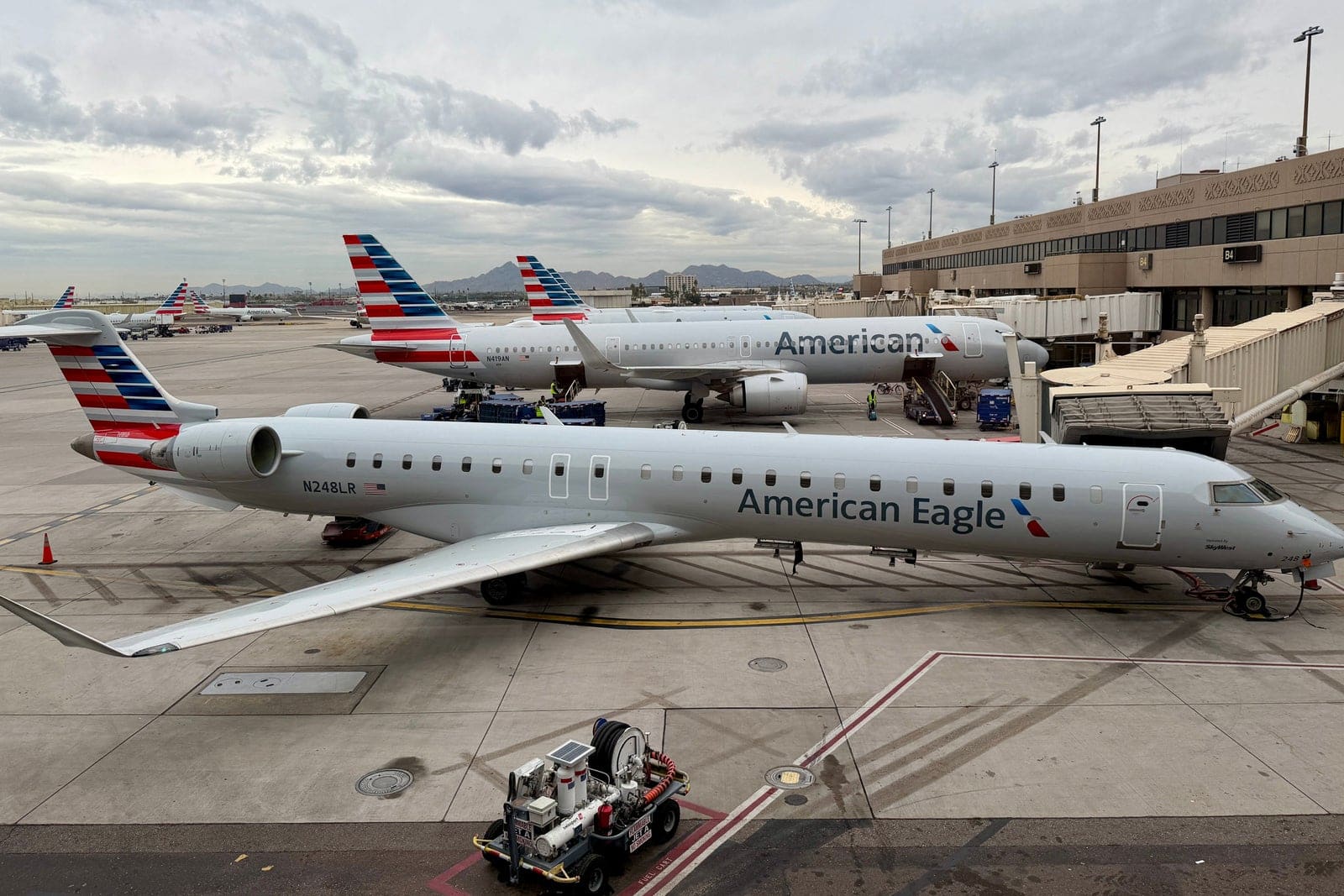
In late July, American Airlines asked passengers in Las Vegas to volunteer their seats. The temperature had hit 114 degrees Fahrenheit, and the plane was too heavy to depart. The airline needed to reduce weight before the aircraft could safely leave the runway.
The science is straightforward. Hot air is less dense than cool air, which means aircraft wings generate less lift and jet engines produce less thrust. Ross Aimer, a retired United Airlines captain who now runs Aero Consulting Experts, compares it to athletes struggling at high altitude. Just as competitors find it harder to perform in thin mountain air, jet engines need dense, cool air to work properly.
Before every flight, pilots calculate whether conditions allow for safe takeoff. They factor in the plane's weight, the airport's elevation, and the temperature outside. When the numbers don't add up, airlines have limited options: remove cargo, carry less fuel and plan a refueling stop, wait for cooler temperatures, or ask passengers to take a later flight.
But sometimes reducing weight isn't enough. Beyond a certain temperature threshold, Aimer notes, an aircraft simply cannot generate the lift needed to leave the ground, no matter how long the runway.
Where Heat Hits Hardest
Airports at higher elevations face compounded challenges. Denver sits more than 5,000 feet above sea level, where the air is already thinner. Add summer heat, and the margin for safe takeoff narrows quickly.
Runway length matters, too. Airports with shorter runways, such as New York's LaGuardia and Washington's Reagan National, offer less distance for planes to build the speed they need in hot conditions. That makes them more vulnerable to weight restrictions when temperatures spike.
The Federal Aviation Administration doesn't set a universal temperature limit for takeoffs. Instead, restrictions depend on the aircraft type, its weight, and the airport's altitude. Each departure is assessed individually.
Desert airports have always dealt with extreme heat, but the frequency of problematic days is rising sharply. Phoenix Sky Harbor International Airport has averaged 43 days per year at or above 110 degrees Fahrenheit since 2020, according to weather data analysis. That's more than triple the average from the mid-20th century.
In Las Vegas, Harry Reid International Airport recorded around 18 days per year above that threshold between 2020 and 2025, double the rate from the 1940s through the 1960s. Palm Springs has seen an even steeper climb: 55 days per year this decade, an 83 percent increase compared to the 2000s.
A Pattern of Disruption
Airlines have confronted these issues before. In June 2016, American canceled several regional flights between Palm Springs and Phoenix when heat made operations unsafe. The following year, the carrier grounded dozens of regional flights in Arizona as Phoenix temperatures approached 120 degrees.
In July 2018, passengers were bumped from flights at Denver International Airport when the mercury hit 98 degrees. More recently, in July 2023, Delta Air Lines asked for volunteers to leave a Las Vegas flight due to weight restrictions tied to extreme heat. That flight was eventually canceled after passengers spent hours sitting in the hot aircraft.
The incidents share a common thread: safety calculations that no longer pencil out when temperatures soar.
Why Airports Amplify Heat
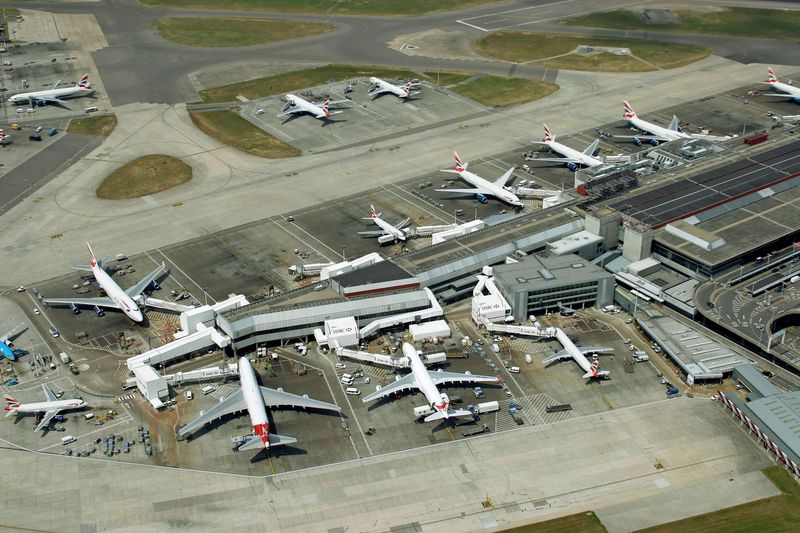
Airports are especially prone to extreme temperatures because of what researchers call the urban heat island effect. Built-up areas with extensive pavement and little vegetation trap and radiate heat, making them significantly hotter than surrounding regions.
Jennifer Brady, a data scientist with Climate Central, points out that airports check all the boxes for heat amplification. Miles of tarmac absorb and re-radiate heat. There's minimal shade. Aircraft, ground vehicles, and air conditioning systems all generate waste heat. The result is an environment that can be among the hottest in any city.
A 2017 study by researchers from Columbia University, NASA's Goddard Institute for Space Studies, and the Logistics Management Institute projected that some airports could see weight restrictions on 10 to 30 percent of flights during the hottest part of the day by midcentury, assuming greenhouse gas emissions continue to rise. A more recent analysis suggested that planes departing four European airports might need to shed the equivalent weight of 10 passengers per flight by 2065.
What It Means for Travelers
The pattern suggests that heat-related delays and weight restrictions will become more routine, not just in Phoenix and Las Vegas but in cities that haven't traditionally faced these constraints. Airports in regions seeing hotter summers or those with shorter runways and higher elevations may find themselves managing these issues more frequently.
For passengers, this can mean last-minute requests to change flights, longer waits for cooler departure windows, or cancellations when conditions don't improve. It also means that the predictability of summer travel is shifting. Clear skies no longer guarantee smooth operations.
The airlines emphasize that these measures are standard safety procedures, not optional. When the physics of flight dictate that a plane cannot safely take off, the only responsible choice is to adjust the load or delay the departure. As temperatures continue to climb, that calculus is likely to become a more common part of the travel experience.