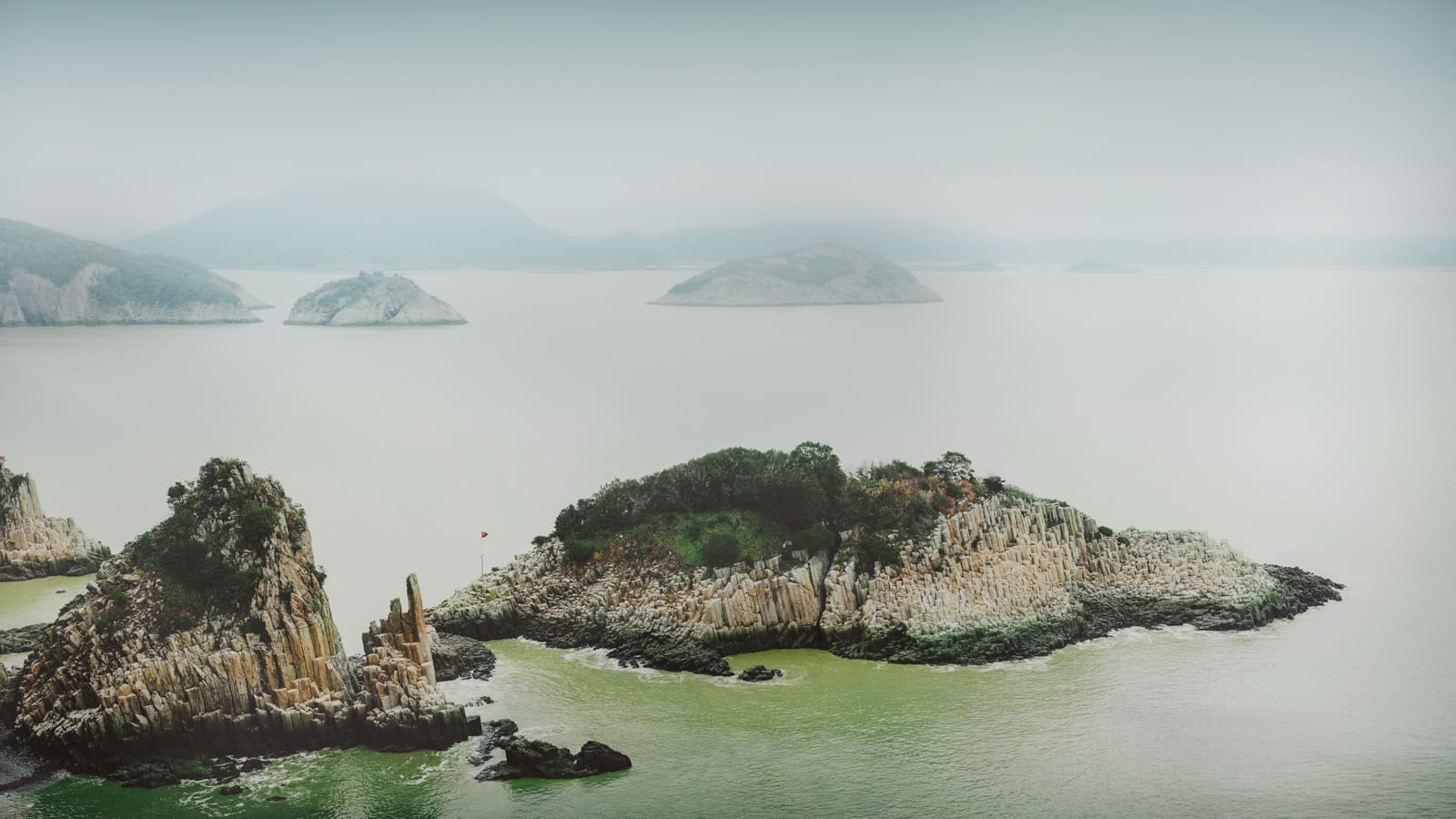
An Island in Plain Sight
Namhae sits off South Korea's southern coast in Gyeongsangnam-do province, roughly 90 minutes by road from Busan. The island has beaches, forested mountains, and a scattering of former industrial sites now housing galleries and studios. Domestic tourists visit regularly. International arrivals remain sparse.
The contrast is visible on arrival. Flights into nearby Sacheon Airport carry overwhelmingly Korean passengers, even during what registers as peak season. The island's appeal to locals is clear: golden-sand beaches, farmland stretching between low hills, and coastal villages where the pace slows considerably. Yet the same qualities that draw weekend visitors from Seoul or Busan have not translated into broader recognition.
Getting There Requires Planning
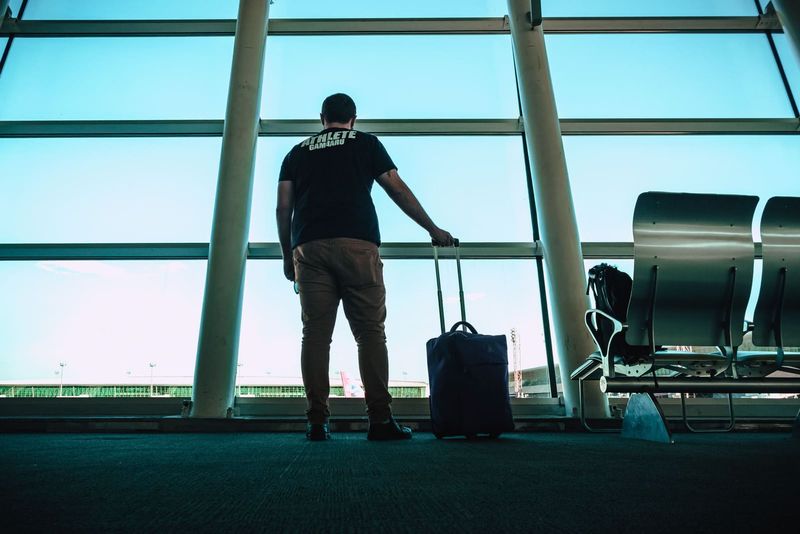
Access shapes visibility. Namhae is reachable by air via Sacheon Airport on the mainland, followed by a drive across bridges to the island. Bus routes exist, but a car becomes essential once on Namhae itself. The island's attractions are dispersed, and public transport options thin out quickly outside the main settlements.
This dependency on private vehicles tilts the visitor profile towards domestic tourists who can rent cars easily or drive their own. For international travellers navigating language barriers and unfamiliar rental systems, the friction adds up. Jeju, by contrast, has a dedicated international airport and a tourism infrastructure built around foreign visitors.
What the Island Holds
Namhae's landscape mixes natural and human-made elements. Beaches along the southern and western coasts draw families who set up tents for the day. Children wade in the shallows; the atmosphere stays relaxed. Inland, villages are small and agricultural. Cycling routes wind past vegetable plots and homes where older residents tend gardens.
German Village, established in 2001, occupies a hillside overlooking the sea. The development was created for Koreans who had worked in Germany during the 1960s and 1970s, many as miners and nurses, and later returned home. The architecture mimics Bavarian styles. Visitors today come for the novelty, the pretzels, and the annual Oktoberfest celebrations.
More striking are the conversions of old industrial buildings. Space Mijo, a former shipyard in a harbour, now functions as an exhibition hall, performance venue, and café. The structure retains its industrial bones while hosting contemporary art shows. DolChangGo, another repurposed warehouse, operates as a pottery studio and café with a rooftop deck. The ceramics produced there use local clay and glazes inspired by ocean foam patterns. The studio occasionally opens its process to visitors.
These spaces reflect a broader trend in South Korea of adaptive reuse, but Namhae's examples remain under the radar compared to similar projects in Seoul or Busan.
The Shadow of Bigger Names
Namhae's obscurity is partly a matter of competition. Busan, a major port city with international flights and a well-established tourism brand, lies close enough to pull attention. Jeju, South Korea's most famous island, dominates the leisure travel market with heavy marketing, direct international connections, and a long list of recognisable attractions.
Even within South Korea, awareness of Namhae is patchy. Residents of Seoul, the country's largest city and a hub for domestic travel planning, often do not know where Namhae is or what it offers. The island lacks the concentrated list of must-see sites that drive itinerary planning. Its appeal is more diffuse: a village here, a beach there, a studio tucked into farmland.
This diffusion works for visitors seeking a slower rhythm and a sense of discovery. It works less well for those scanning lists of top destinations or booking trips with limited time.
Who Visits, and Why
The current visitor base skews heavily domestic. Korean families come for beach outings. Younger travellers arrive looking for the café culture that has taken root in converted spaces. Cyclists use the quieter roads. The island also attracts people seeking proximity to the sea without the density of larger resorts.
The experience on offer is more about immersion in local rhythms than ticking off landmarks. Farmland, fishing villages, and the sight of children playing in streams create a picture of everyday life that feels less curated than what international tourists often encounter in Seoul or Jeju.
Yet this authenticity, frequently cited as a selling point, does not automatically translate into international arrivals. Authenticity requires context, and context requires either prior knowledge or a guide. For many potential visitors, Namhae does not yet exist as a concept.
The Logistics of Staying Quiet
Tourism infrastructure on Namhae remains modest. Accommodation options are available but not abundant. English-language information is limited. The island has not invested heavily in the kind of signage, tour packages, or digital presence that smooth the way for foreign visitors.
This is not necessarily a drawback. Lower visitor numbers preserve the qualities that make the island appealing in the first place. Beaches stay uncrowded. Villages retain their character. Art spaces can experiment without the pressure of mass tourism.
But the flip side is that Namhae remains locked in a loop: low international awareness leads to low investment in international-facing infrastructure, which in turn keeps awareness low.
A Different Kind of Appeal
Namhae offers something distinct from South Korea's busier destinations, but that distinction comes with trade-offs. The island rewards visitors who have time, transport, and an appetite for unstructured exploration. It does not cater to those on tight schedules or reliant on public transit.
For now, Namhae functions as a domestic retreat and an accidental secret for the handful of international visitors who stumble across it. Whether it stays that way depends on choices still to be made about infrastructure, marketing, and the kind of tourism the island wants to attract.