A Different Model for Wildlife Tourism
Bempton Cliffs, a chalk escarpment on England's northeast coast, attracts around half a million seabirds between March and August. The site is one of 220 nature reserves managed by the Royal Society for the Protection of Birds, a conservation charity that traces its origins to a 19th-century campaign against feather use in fashion. Unlike many natural attractions grappling with overtourism, these reserves operate on a funding model that ties visitor experience directly to habitat protection: membership subscriptions, donations, grants, and entrance fees support ongoing conservation work.
The approach creates a feedback loop. Visitors pay to observe wildlife in managed environments designed to minimise disturbance. That income, combined with membership revenue, funds habitat restoration, species monitoring, and volunteer programmes. According to Neil Boyes, Head of Visitor Operations for the RSPB, around 12,000 volunteers contribute time to the organisation, carrying out habitat management and wildlife surveys that inform science-backed conservation decisions.
Over 170 of the reserves are open to the public. Invest East Yorkshire reported 135,561 visitors at Bempton in 2025, an 18 per cent increase on the previous year. The footfall benefits independent restaurants and hotels in a part of England that sees fewer tourists than the Lake District or Cornwall.
Seabirds as the Draw
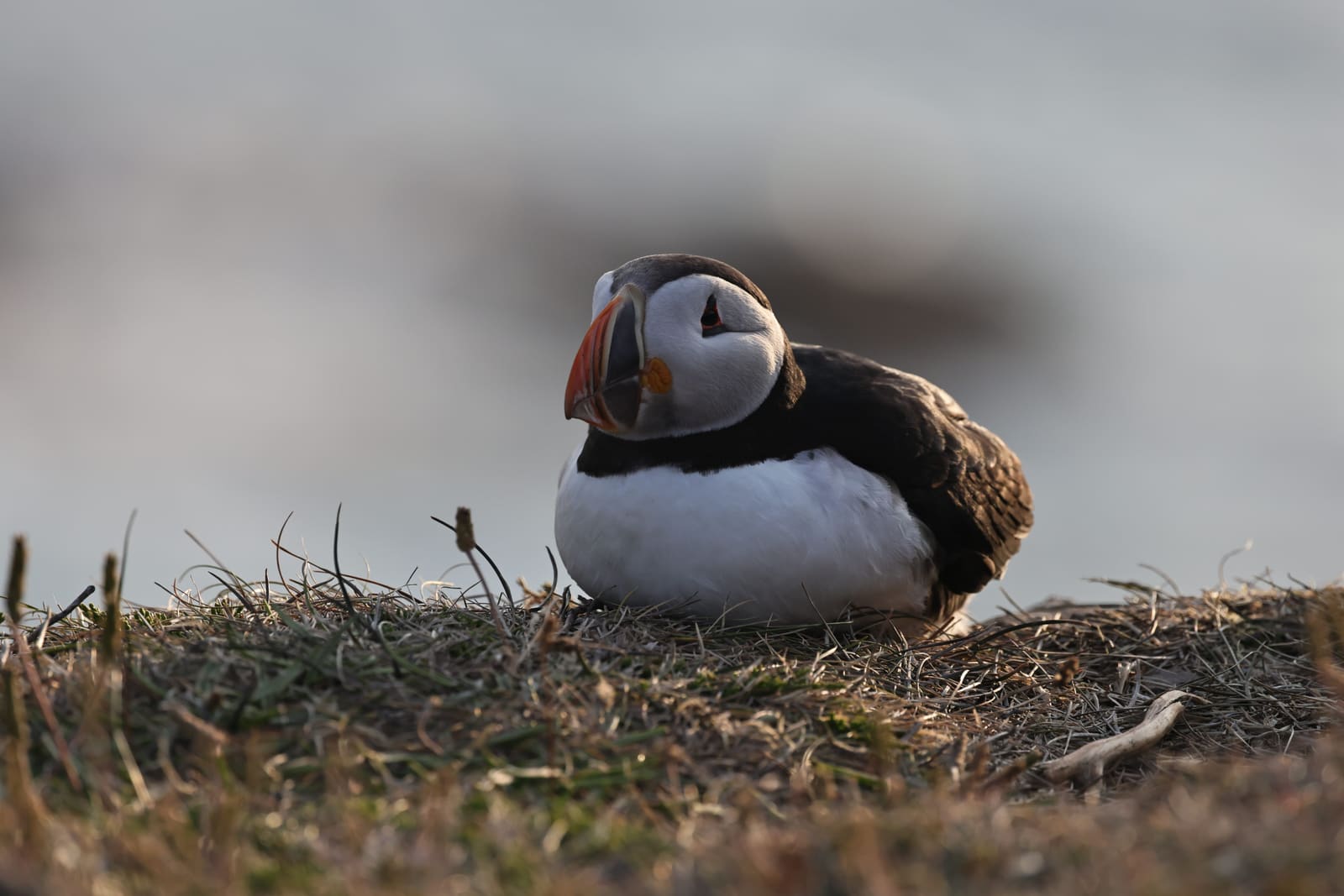
Bempton hosts England's only mainland gannet colony, alongside kittiwakes, guillemots, razorbills, and roughly 1,500 breeding pairs of Atlantic puffins. Peak viewing season for the puffins runs from May to June. With a wingspan of around 50 centimetres and a preference for cliffside crevices and grassy burrows, the birds require patience to spot.
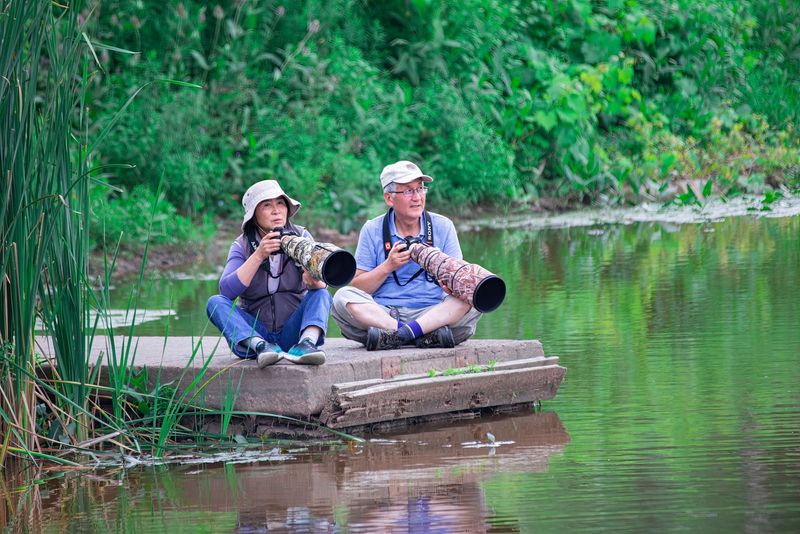
Marked trails, observation hides, and volunteer assistance help visitors locate species without disturbing nesting sites. Volunteers share recent sightings, lend camera screens for closer looks, and help novice birdwatchers distinguish between species. Guided walks, pond-dipping sessions, and binocular open weekends cater to first-time visitors and experienced birders in equal measure.
The reserves also function as educational sites. Special events explore species behaviour and the conservation challenges facing British birds. Climate change and overfishing have placed puffins on the UK's Birds of Conservation Concern Red List, the highest category of threat. A ban on industrial sandeel fishing, introduced in 2024 after 25 years of campaigning by the RSPB and partner organisations, may improve prospects for puffins and kittiwakes, potentially shifting them to the lower Amber category.
From Wartime Flooding to Breeding Grounds
The RSPB's reserve network began with opportunistic habitat gains. Minsmere, one of the earliest reserves, was established in 1947 after avocets, elegant wading birds unseen in Britain for over a century, returned to breed on the Suffolk coast. The defensive flooding of coastal pastures during the Second World War had unintentionally restored wetlands the species required. Former soldiers were stationed to monitor the birds under "Operation Zebra." The avocet now appears in the RSPB's logo and is listed on the UK's Birds of Conservation Concern Amber List.
A similar intervention followed in 1954, when ospreys, hunted to extinction as a breeding species in Great Britain, were spotted nesting in Abernethy Forest, now part of Cairngorms National Park. Volunteers guarded the nest around the clock under "Operation Osprey." Within a few years, Loch Garten opened to visitors, drawing 14,000 people in less than two months. Nesting pairs continue to return each summer.
Both cases illustrate the RSPB's reliance on volunteer labour. At Loch Garten, volunteers assist with habitat management techniques that support capercaillie, a large grouse species, and other pinewood wildlife. They also help young visitors observe moments in nature that might otherwise go unnoticed.
The Conservation Stakes
One in six species is at risk of extinction in Great Britain, according to Boyes. Puffins are among 70 species on the Red List. Climate change affects food availability; overfishing depletes sandeel stocks, a primary food source. The 2024 sandeel ban addresses one pressure, but broader habitat loss and warming seas remain concerns.
The RSPB's funding model hinges on public engagement. Visitor income and membership fees enable conservation at scale, but the organisation also campaigns for policy changes, such as fishing restrictions and habitat protection laws. Emily Williamson, Etta Lemon, and Eliza Phillips founded the charity's predecessor in the late 19th century, lobbying against the plume trade that killed millions of birds for hat decorations. That advocacy tradition continues.
Accessible by Train, Bus, or Bicycle
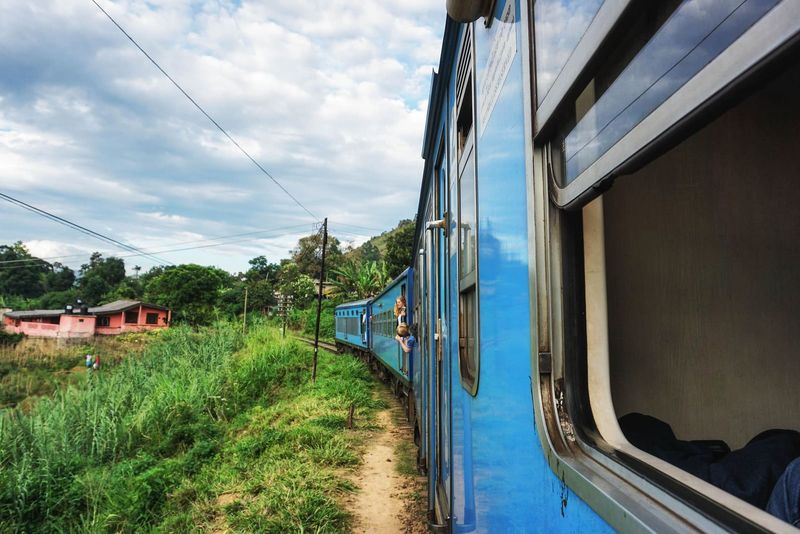
Many reserves are reachable by public transport. The RSPB website lists options for car, bus, train, and bicycle access. Bempton lies a one-mile walk from the nearest train station, turning a birdwatching visit into a full-day outing. Visitors can combine the reserve with stops at Filey or Bridlington, coastal towns with fish-and-chip shops and small hotels.
Holiday Cottages, a Certified B Corporation, partners with the RSPB to promote rentals near reserves. Each booking contributes to restoring one square metre of woodland. The arrangement aligns short-term accommodation with conservation funding, extending the financial loop beyond day visitors.
The appeal of repeat visits, according to regular visitors, lies less in ticking species off a list and more in returning to a place where admission fees translate into measurable conservation outcomes. Bempton attracts visitors year-round, even in winter when puffins are absent. Strangers share binoculars, volunteers swap news of rare sightings, and the experience builds a sense of collective investment in the site's future.
What This Means for Wildlife Tourism
The RSPB model offers a counterpoint to destinations struggling with visitor numbers that outstrip infrastructure and conservation capacity. By tying income directly to habitat management and species protection, the reserves create a transparent relationship between tourism and conservation. Visitors know their entrance fee supports volunteer programmes, habitat restoration, and policy advocacy.
The model is not without limitations. It depends on steady visitor numbers and membership renewals, both vulnerable to economic downturns. It also requires significant volunteer capacity, which can fluctuate. But the structure demonstrates that wildlife tourism can function as a conservation tool rather than a threat, provided the financial and operational framework aligns visitor experience with ecological outcomes.
For travellers interested in birdwatching or coastal walks, the reserves offer an alternative to crowded national parks and ticketed attractions. The experience is less about spectacle and more about observation, patience, and the knowledge that showing up contributes to keeping the habitat intact.