When the Algorithm Decides for You
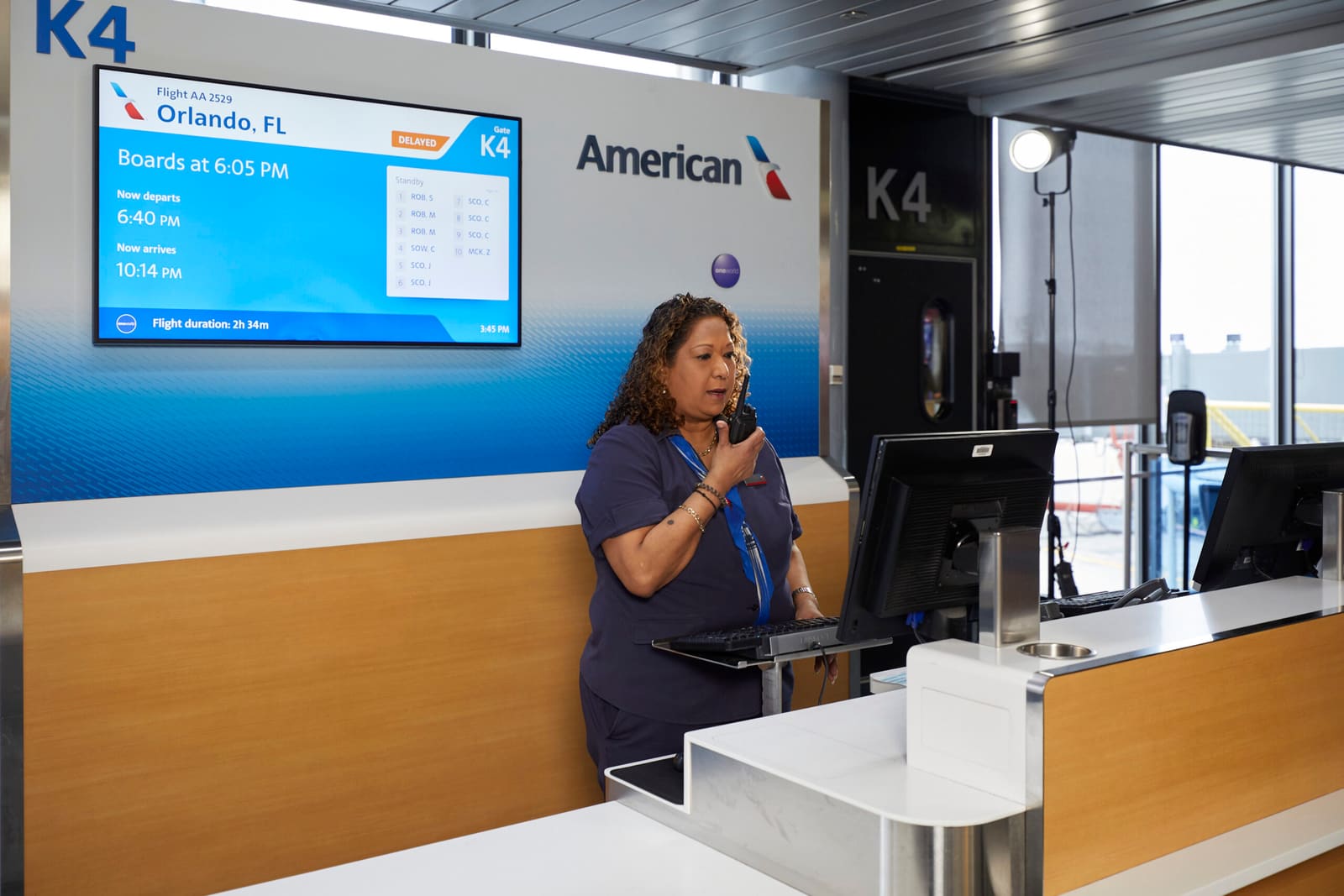
Marc Thiessen made it to his gate on time. His first flight into Chicago had been delayed, but he'd hustled through the terminal and reached the departure area before boarding closed. The gate agent delivered unexpected news: his seat was gone. American Airlines had moved him to a later flight without asking.
The culprit was AURA, an automated system that predicts which passengers will miss their connections and rebooks them before they reach the gate. The technology is designed to smooth out disruption, but a growing number of travellers are discovering that the algorithm doesn't always get it right.
Beverly Hallberg, a media consultant, had a similar experience. She arrived at her gate to find her reservation had been changed and her original seat given to someone else. Both passengers had made it in time. The system had simply decided they wouldn't.
How AURA Works
AURA stands for AUtomated ReAccommodation. American introduced the system to handle rebooking for passengers affected by delays and cancellations. Instead of airport staff manually adjusting every affected itinerary, AURA identifies travellers it believes will miss their connections and shifts them to alternative flights.
The system also frees up the original seat, making it available to standby passengers or others in need of accommodation. American calls this "discovered inventory," a term that makes the process sound efficient. In practice, it means a seat the algorithm assumes will go unused can be reassigned before the original passenger even knows their booking has changed.
The airline has leaned heavily into automation in recent years. AURA is part of a broader push that includes Connect Assist, a system for managing connecting passengers. The goal is to reduce the workload on airport employees and speed up the rebooking process during irregular operations.
The Problem With Predictions
Airports move fast. A delayed flight can land earlier than updated estimates suggest. A connecting gate might be two minutes away instead of ten. Boarding can stay open longer than scheduled. All of these variables make predicting a missed connection harder than it looks on a screen.
When AURA misjudges, the passenger pays the price. Thiessen and Hallberg both had to contact American's ticket office to sort out their bookings. Even passengers who sprint through the terminal and reach the gate before departure can find themselves locked out of their original flights, forced onto later departures despite doing everything right.
The situation raises a question about where automation should draw the line. Airlines have always managed irregular operations, but human agents could see a passenger running toward the gate and hold a seat. An algorithm operating minutes ahead of real-time movement can't account for what it doesn't yet observe.
What Passengers Can Do
Travellers caught in this situation may have rights under US Department of Transportation rules. Passengers denied boarding involuntarily can qualify for compensation if they meet several conditions: checking in on time, holding a confirmed reservation with an assigned seat, and being at the gate at least 15 minutes before departure.
If those conditions are met and the resulting delay pushes arrival more than two hours past the original schedule on a domestic flight, compensation can reach 400 percent of the one-way fare, up to 2,150 dollars. Keeping evidence matters. Screenshots of the original booking, boarding passes, and any communication with the airline can help if a dispute arises.
Passengers flying American during disruptions should check their reservations regularly. A delayed inbound flight doesn't automatically mean the connection is lost. If the booking still shows the original seat assignment, it's worth heading to the gate. If a gate agent says the seat has been removed, ask why and whether the situation qualifies as involuntary denied boarding.
For cases that can't be resolved with the airline, passengers can file a complaint with the US Department of Transportation.
The Tension Between Speed and Accuracy
AURA reflects a broader shift in how airlines handle disruption. Automation can process thousands of rebookings faster than any team of agents. It can also free up seats that would otherwise sit empty, improving load factors and reducing the number of passengers stuck on standby.
But speed comes with trade-offs. An algorithm optimized for efficiency doesn't account for the passenger who runs, the gate agent who holds the door, or the plane that arrives ten minutes ahead of the revised estimate. When the system moves faster than reality, passengers who did nothing wrong end up with later flights and longer days.
The incidents involving AURA suggest that prediction, no matter how sophisticated, still leaves room for error. Airlines may be able to process rebookings faster, but the cost of a wrong call falls squarely on the traveller who made it to the gate on time and found their seat already gone.