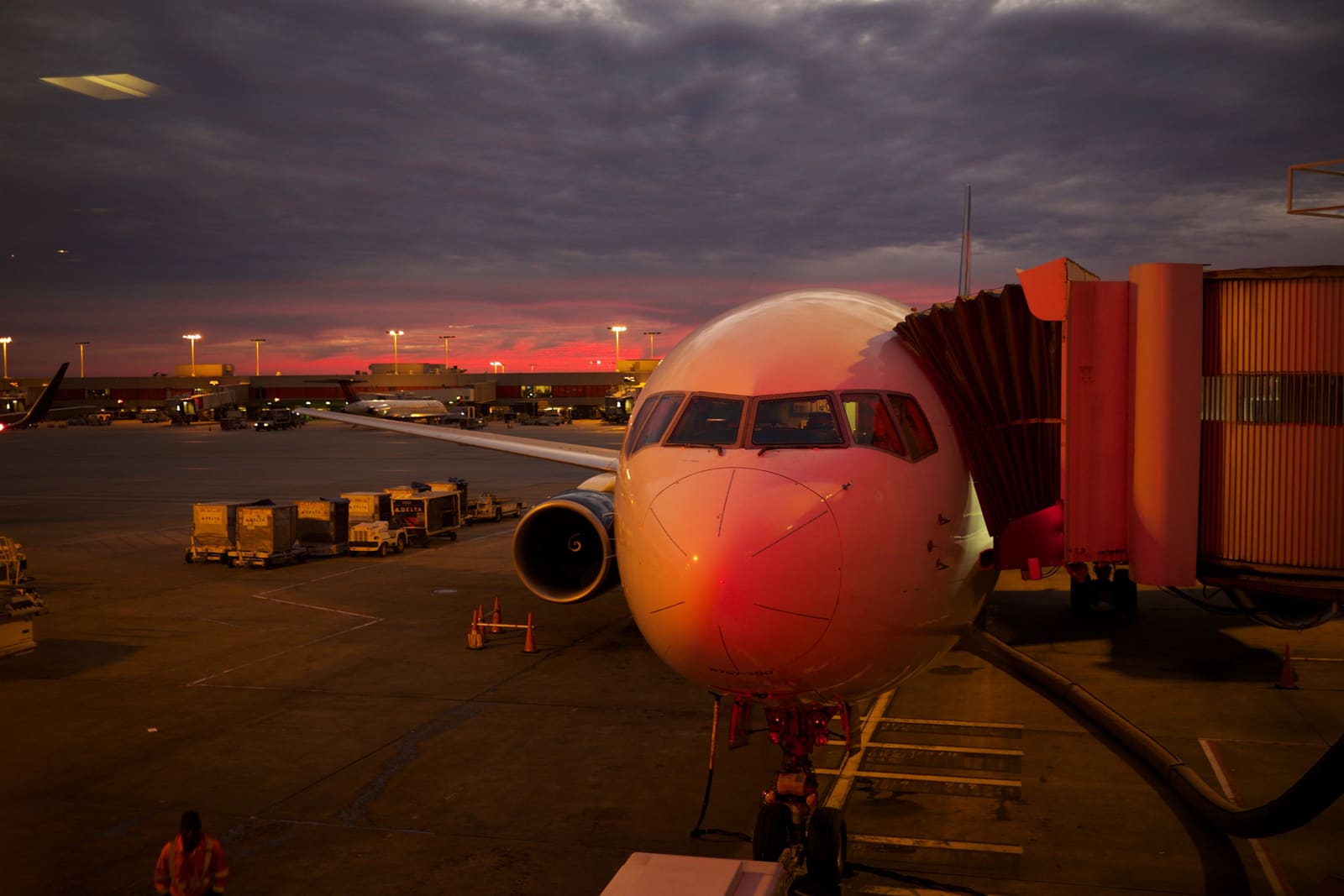
A New Gateway Opens in May
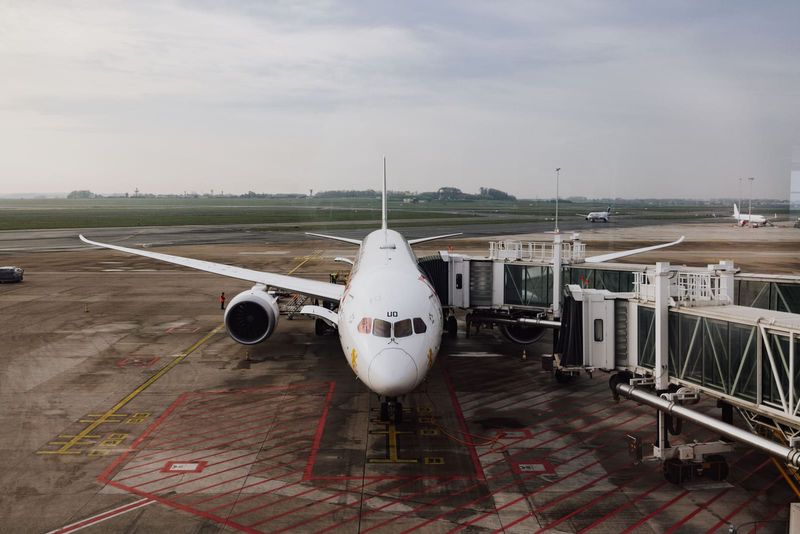
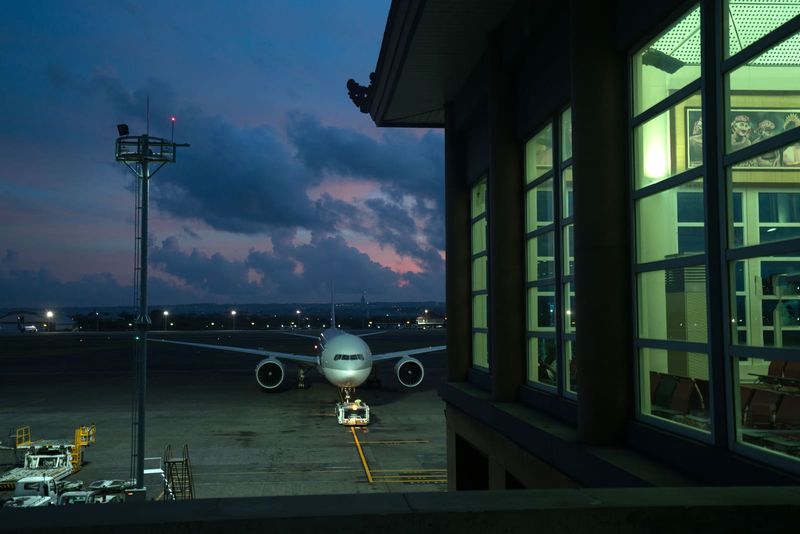
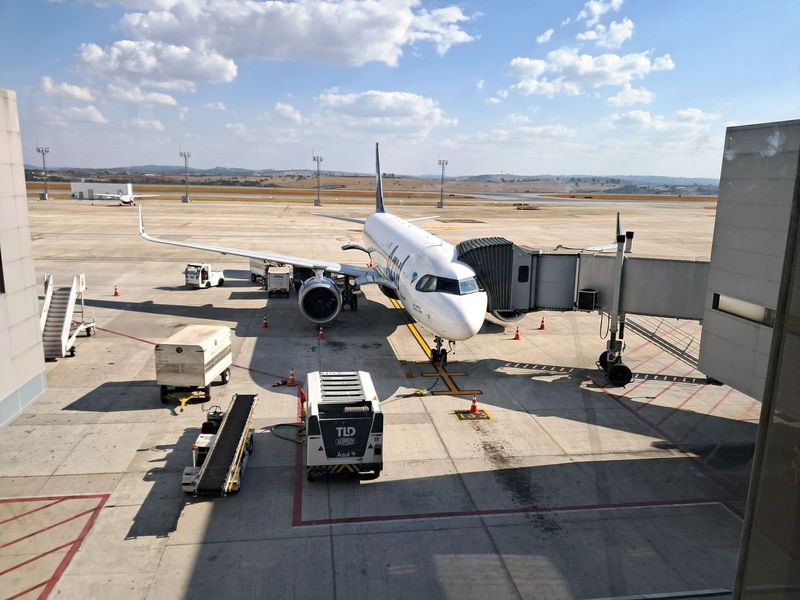
Azerbaijan Airlines will begin flying between Baku and Brussels four times weekly from 8 May 2027, operating on Mondays, Wednesdays, Thursdays and Saturdays. For Azerbaijan, the Belgian capital represents another step in making the South Caucasus more accessible to European visitors, though the country's tourism chief acknowledges that flights alone will not fill seats.
Florian Sengstschmid, who has led the Azerbaijan Tourism Board since 2018, frames the Brussels service as part of a sustained effort to engage a competitive market. Europe remains a priority, he says, but building awareness takes time when established destinations already command strong visitor loyalty. The challenge is not just adding routes but helping travellers understand what Azerbaijan offers beyond its geography.
Connectivity as a Bottleneck
Sengstschmid identifies access as a persistent constraint. Expanding air services involves not only commercial decisions by carriers but also the regulatory frameworks that govern international aviation. Bilateral agreements between countries shape which routes can operate and under what terms, and he notes that passenger and cargo traffic rights often intertwine in these negotiations.
From a tourism development perspective, improving connectivity is foundational. A destination can have diverse attractions, yet turning interest into bookings depends partly on how easily people can reach it. The Brussels link offers a practical entry point for Belgian travellers and those using the city as a European hub, supporting leisure visits alongside business and cultural exchanges that direct flights typically enable.
Challenging the In-Between Narrative
Sengstschmid pushes back against the tendency to view Azerbaijan solely through the lens of its larger neighbours. Instead, he highlights historical European threads woven into the country's fabric. Visitors can trace the legacy of European architects in Baku, encounter industrial heritage tied to the Nobel and Siemens families, and explore German influences on the local wine industry.
Travelling across Azerbaijan, he argues, reveals European connections in architecture, crafts, culture and religion. These elements provide familiar reference points for European visitors while introducing a destination that remains less well-known than its western counterparts. The country's religious diversity, encompassing Muslim, Christian and Jewish heritage, adds another layer to its appeal.
His message is clear: Azerbaijan is not simply a place between East and West but a destination with its own stories and a distinct identity shaped by centuries of interaction.
Events and Specialised Tourism
Major events have played a role in raising Azerbaijan's profile. Baku's decade-long run hosting Formula 1 offered one such opportunity. The country introduced a temporary visa-on-arrival arrangement for race ticket holders and accredited personnel, which ran until 30 September 2026. The initiative aimed to ease entry and encourage visitors to explore beyond the circuit.
Sengstschmid views large-scale events as a way for international audiences to see others enjoying the destination, shaping perceptions through visible experience rather than marketing alone. Yet Azerbaijan is also developing more specialised tourism segments. Health tourism has been incorporated into the country's State Programme on the Development of Tourism for 2026 to 2030, with plans for a dedicated strategy, international accreditation for medical facilities and an annual Health Tourism Conference.
The Azerbaijan Tourism Board has joined the European Spas Association as an advisory member, strengthening ties with European sector specialists and signalling ambitions in wellness and medical travel.
A Regional Itinerary Emerges
Looking further ahead, Sengstschmid sees potential for visitors to combine several South Caucasus countries within a single journey, particularly those arriving from Asia or the Americas. Drawing on his Austrian background, he compares the possibility to the established Vienna-Prague-Budapest circuit, which allows travellers to experience multiple Central European capitals in one trip.
Such an itinerary in the South Caucasus would depend on resolving border issues and creating conditions for easier regional travel. For Azerbaijan, the opportunity lies in positioning itself as part of a broader exploration of the region, offering culture, heritage and natural landscapes alongside neighbouring countries.
The Brussels connection adds another entry point into this evolving picture. Whether visitors come for a weekend city break, a health retreat or as part of a longer regional journey, the route expands options for reaching a destination that remains less familiar to many Europeans.
Building Awareness Takes Time
Sengstschmid is candid about the work required to build a destination's appeal in a market as saturated as Europe. Flights create the possibility of travel, but converting that possibility into actual bookings demands sustained engagement. Tourism partners and travellers need to understand not just that Azerbaijan exists but what it offers and why it might be worth a visit.
That process involves explaining the country's culture, history and identity in ways that resonate with European audiences. It means highlighting the European connections that already exist while also presenting Azerbaijan as a distinct place with its own character. And it requires patience in a market where established destinations have decades of brand recognition and visitor loyalty.
The Brussels route is a tool in that effort, not a solution in itself. It opens a door, but the work of inviting people through it continues.