A Window for Spontaneous Visitors
Azerbaijan has opened a visa-on-arrival facility for Formula 1 ticket holders and racing personnel, running through 30 September 2026. The measure covers the Baku Grand Prix, scheduled for 26 September, and extends four days beyond the race itself.
To qualify, travellers must present race accreditation, a ticket, or proof of ticket purchase when they arrive. Those without tickets can still apply through Azerbaijan's electronic ASAN system or at embassies and consulates. The policy is designed to accommodate the motorsport crowd's tendency to book late, a pattern that has historically left potential visitors on the sidelines when visa processing times stretch too long.
According to the Azerbaijan Tourism Board, the goal is not simply to fill grandstands but to convert short trips into longer explorations. The extended validity period signals an interest in keeping visitors in the country after the chequered flag falls, turning a weekend event into a week-long stay.
The Circuit and Its Draw
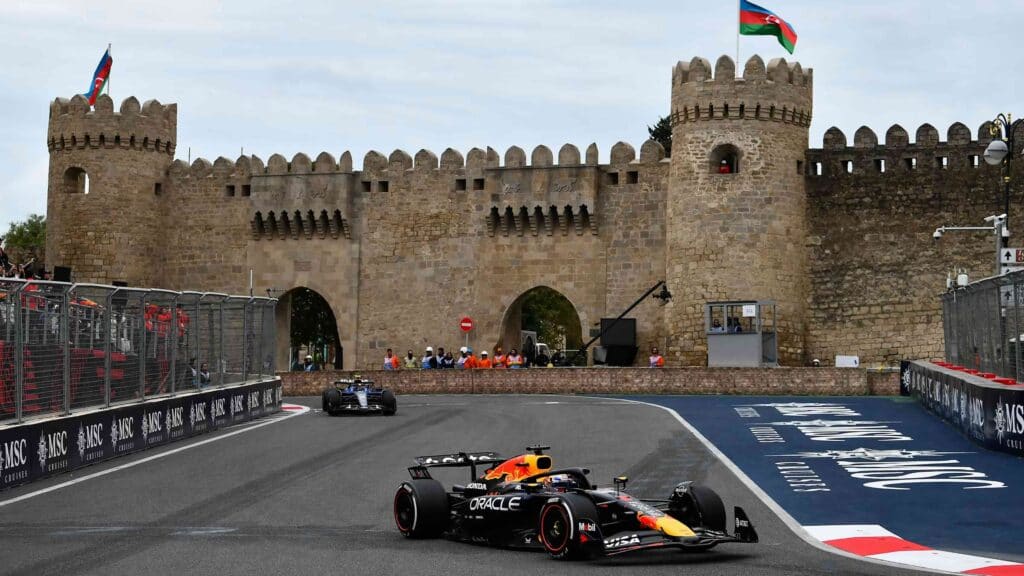
The Baku City Circuit is a 6.003-kilometre street layout that threads through the capital's UNESCO-listed Old City before opening onto a long straight along the Caspian Sea waterfront. It is the third-longest circuit on the 2026 Formula 1 calendar, behind Spa-Francorchamps in Belgium and the Las Vegas Strip Circuit.
The track's character comes from contrast. Narrow passages around medieval city walls between Turns 8 and 10 leave little room for error, while the roughly 2.2-kilometre run towards Turn 1 allows cars to reach some of the highest speeds recorded on a street circuit. Teams face a trade-off: add downforce for the tight sections and sacrifice speed on the straights, or vice versa.
That tension has produced unpredictable racing since Formula 1 first arrived in Baku in 2016. The 2017 edition saw a driver climb from tenth on the grid to win, while the 2018 race turned on a puncture with three laps remaining. The 2021 event delivered another surprise result, and the 2024 race drew 76,000 spectators.
The Business Case for Easier Entry
Survey data from the 2024 edition offers some insight into why Azerbaijan is willing to simplify entry procedures. According to figures from the Azerbaijan Tourism Board, 80 per cent of the 76,000 attendees were international visitors, and they spent an average of more than €2,000 over the weekend. Seventy-two per cent said they intended to return in 2026.
Those numbers suggest that the race has become a reliable driver of tourism revenue, but they also highlight a challenge: converting interest into arrival. Motorsport fans often wait until the final weeks to commit, whether because of race outcomes, weather, or simple indecision. Traditional visa processes, which can take weeks, do not align with that behaviour.
The visa-on-arrival measure attempts to bridge that gap. By removing the need to apply weeks in advance, Azerbaijan is betting that it can capture a segment of travellers who would otherwise stay home. The four-day extension past race day is a further nudge, designed to encourage visitors to explore beyond the circuit.
What Lies Beyond the Track
Baku itself offers a mix of old and new. The walled Old City, a UNESCO World Heritage Site, sits alongside contemporary architecture and cultural institutions such as the Carpet Museum. Outside the capital, visitors can reach sites including Yanar Dag, where natural gas seeps through sandstone and burns continuously on a hillside.
The timing of this year's race is unusual. It has been moved to Saturday, 26 September, to avoid coinciding with Azerbaijan's National Remembrance Day on 27 September. That shift compresses the weekend slightly but does not change the underlying calculation for visitors: whether to combine a race with a broader trip.
Tickets for the Baku Grand Prix start at €186 for general admission. The race weekend will also feature a fan zone and live entertainment, with performances scheduled as part of the tenth-anniversary celebrations.
The Broader Pattern
Azerbaijan is not the first country to experiment with visa facilitation around major events. Other hosts of large-scale sporting occasions have introduced temporary visa waivers or streamlined entry procedures, often with an eye to long-term tourism gains. The effectiveness of such measures depends on whether visitors take up the invitation to stay longer and whether they return in future years.
The data from 2024 suggests that many Baku visitors do intend to come back, but intentions do not always translate into bookings. The visa-on-arrival policy is a test of whether reducing friction at the border can shift the balance, turning more interest into arrivals and more arrivals into repeat visits.
For now, the window is open. Whether it fills grandstands or extends stays will become clear in the weeks ahead.