The Spark and the Spread
What started as student demonstrations over education funding a few weeks ago has become a broader movement expressing frustration with living standards and public services. Protests have spread from France into neighbouring Belgium, with participants pointing to stagnant wages and cuts to social programmes. The scale has forced governments worldwide to update travel guidance for their citizens visiting what remains, by arrivals, the most visited country on Earth.
On the night of 17 October, fire consumed Limoges city hall, a neo-Renaissance building from 1883. Video showed the central clock tower collapsing into flames, an image that resonated with anyone who remembered Notre Dame's fire seven years earlier. French authorities report that over three thousand shops were looted or damaged on Saturday night alone. In response, overnight curfews have been introduced in parts of Lille, Marseille, Nice, and Paris, with officials warning that additional restrictions may appear at short notice.
Getting There, Getting Around
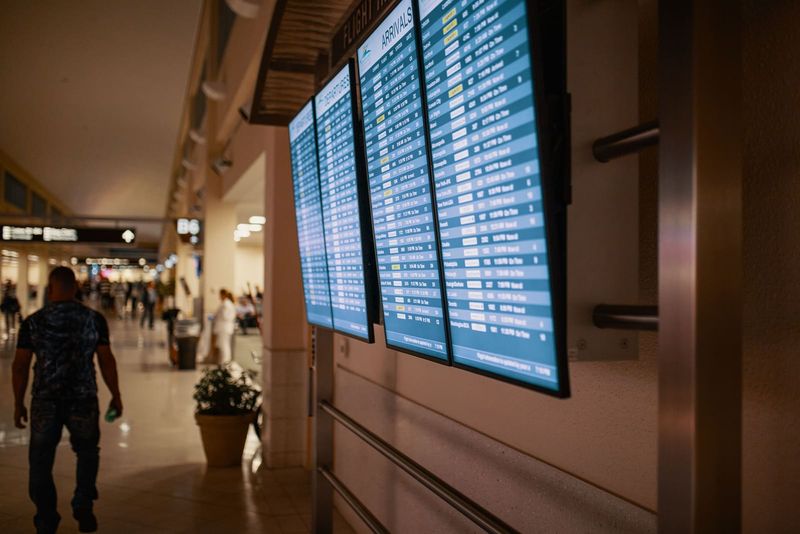
As of now, flights and Eurostar services continue to operate on schedule. Road travel faces more uncertainty. Impromptu closures and curfew zones can cause delays, and drivers may find themselves rerouted without warning. Public transport within cities has seen intermittent disruption, particularly on routes that pass through or near demonstration zones.
Travellers already in France or planning to arrive soon should monitor local news and official channels. The situation remains fluid, and what is open today may be restricted tomorrow.
What Governments Are Saying
Travel advice varies by country. The United States maintains a Level 2 advisory for France, a rating that predates the current unrest and recommends increased caution. The United Kingdom's Foreign, Commonwealth and Development Office updated its guidance on 19 October, noting that local curfews may be imposed with little notice and urging travellers to follow instructions from French authorities. No blanket "do not travel" warning has been issued.
China's foreign ministry has told its nationals to stay alert and avoid protest areas. Czechia advised citizens not to attend public gatherings, citing a deteriorating situation. Germany warned that further unrest is likely and reminded travellers that fines can be levied for non-compliance with official orders. Italy urged caution around large crowds and encouraged citizens in France to register with an emergency location app.
Malaysia has taken the firmest stance, advising nationals to reconsider non-essential travel until conditions improve. The divergence in guidance reflects differing risk thresholds and, in some cases, the political relationship between capitals.
Insurance and Cancellation
For those with bookings, the question of coverage looms. Most travel insurance policies exclude cancellations due to civil unrest unless a formal "do not travel" advisory is in place at the time of departure. Travellers who choose to cancel without that threshold being met may find themselves absorbing the cost. Those already in France who cut their trip short face a similar calculation.
It is worth checking policy wording closely. Some insurers cover disruption caused by curfews or transport strikes, even if they do not cover cancellation for unrest alone. Others require proof that the policyholder's specific destination is affected, not just the country in general.
The Police Response
French riot police, known as the CRS, have a record of forceful responses. During the gilets jaunes protests in 2018, officers were criticised for deploying rubber bullets and tear gas at close range, resulting in serious injuries. Images from the current protests show similar tactics, raising concern among human rights observers and travellers alike.
For visitors, the practical implication is clear: proximity to a demonstration, even as a bystander, carries real physical risk. Police do not always distinguish between participants and passers-by, and crowd-control measures can escalate quickly.
Where Trouble Is, and Isn't
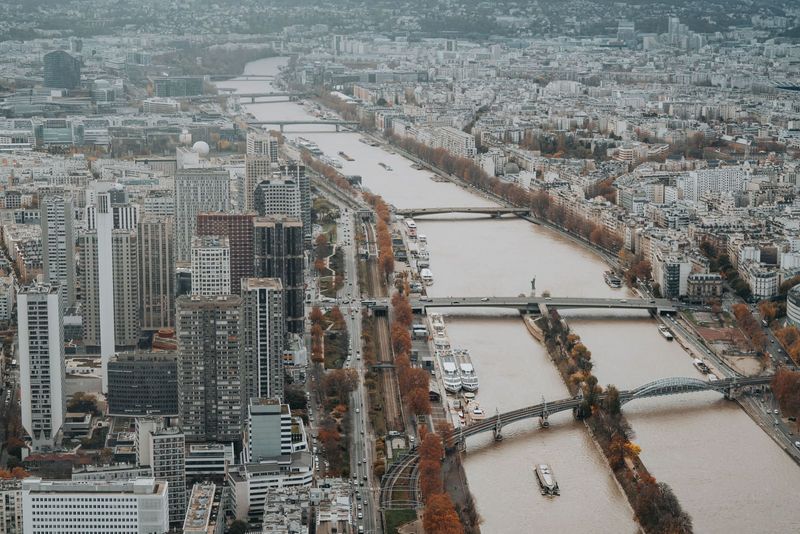
France is not uniformly affected. Major cities, particularly Paris, Marseille, and Lyon, have seen the most intense activity. Smaller towns and rural areas remain largely untouched. A visitor to Provence or Brittany may see no sign of unrest, while someone in central Paris could encounter road closures and a visible security presence.
The concentration of protests in urban centres means that travellers with flexible itineraries can adjust their plans to avoid flashpoints. Those committed to city breaks face a different set of trade-offs.
What to Do if You're Going
Avoid demonstrations and the streets around them. Police cordons can shift, and what begins as a peaceful gathering can change character. Sign up for alerts from your embassy or consulate. Carry identification at all times; spot checks are more common during periods of heightened security.
If a curfew is announced, comply. Fines for violations are real, and in some cases, temporary detention is possible. Keep a charged phone and have offline maps available in case mobile networks become congested.
Book accommodation with flexible cancellation terms where possible, and confirm that your insurer covers disruption caused by government-imposed restrictions. If you are travelling for work, check whether your employer's duty-of-care obligations extend to reimbursement or evacuation.
The Bigger Picture
France's protests are rooted in domestic grievances, but their timing poses a challenge for a tourism sector still recalibrating after years of pandemic disruption. International arrivals to France reached 89 million in 2025, according to UN Tourism, making the country a cornerstone of European travel. Prolonged unrest, or a perception of instability, could dent bookings for the winter season and beyond.
For now, the question facing travellers is not whether France is entirely safe, but whether the specific risk in the specific place they plan to visit is acceptable to them. The answer depends on destination, timing, and individual tolerance for uncertainty.