Record Rainfall Across Eastern Spain
Ibiza airport logged 173 millimetres of rain in 24 hours on Sunday, 18 October, the highest figure recorded at the location since measurements began in 1944, according to Spain's weather agency Aemet. Water seeped through ceilings onto the terminal floors, forcing airport staff to cordon off sections of the building.
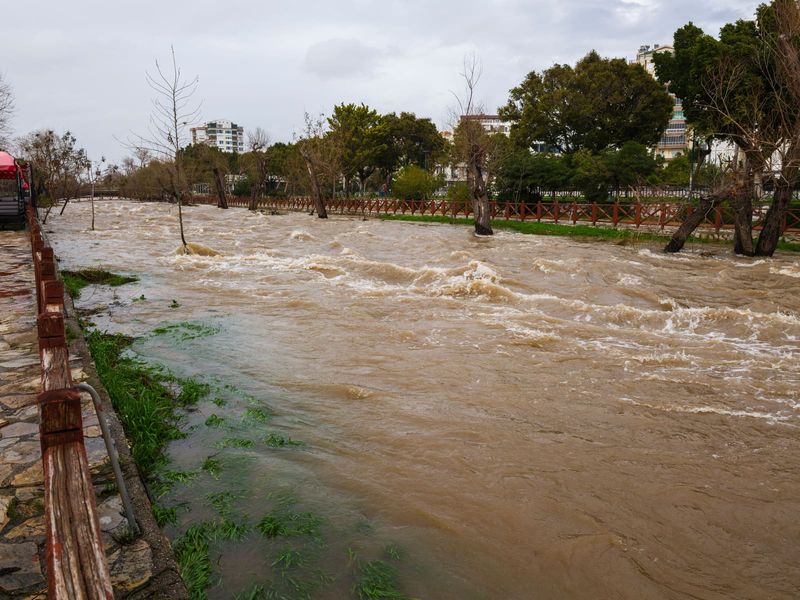
The same storm system, named Storm Adam by Aemet, dropped 600 litres per square metre on the Valencian town of Oliva over 24 hours, leaving it among the hardest hit areas. Around 400 residents spent the night in a community building after being evacuated from their homes.
Helicopters pulled people from rooftops and terraces across the country, while military units worked to pump sludge and water from roads on the Balearic Islands. More than 220 rescues took place in Valencia alone, a city still recovering from flooding two years ago that killed over 200 people.
Weather Warnings Lifted
Most of the red and orange alerts issued over the past few days have been withdrawn. As of Tuesday, 20 October, only yellow warnings remain in effect along the Empordán coast in the northeast and on Menorca, according to Aemet.
Heavy showers were expected Tuesday afternoon on La Palma and El Hierro, with lighter rain in Galicia. By Thursday, forecasters predict sunny weather with no significant rain across most of the country. That pattern should hold until Sunday, when precipitation is expected to return to the far north.
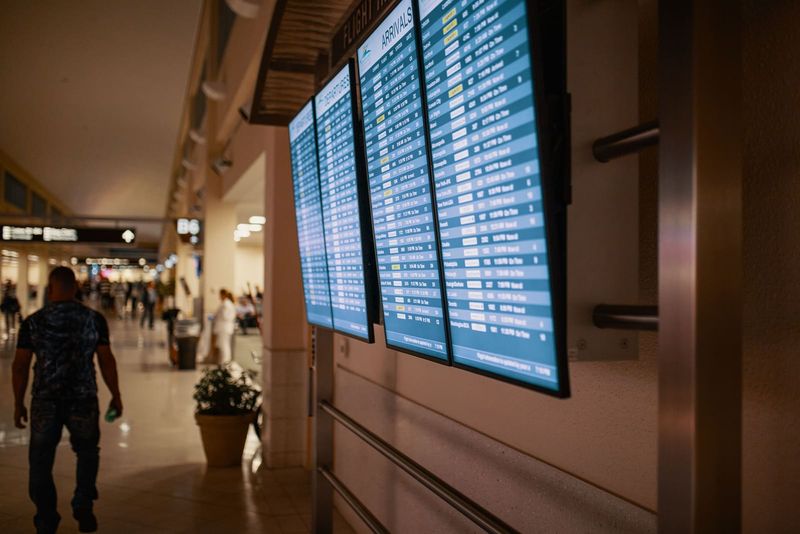
Flights that were disrupted over the weekend at Ibiza and Mallorca airports returned to normal schedules on Tuesday.
What Travellers Should Know
The UK Foreign Office has not issued specific warnings related to the flooding. Its standing advice notes that flash floods in Spain can disrupt travel and damage infrastructure, and recommends checking Aemet weather updates before departure.
Because the Foreign Office has not advised against non-essential travel, standard cancellation policies apply. Holiday providers are not obligated to offer refunds if travellers choose to cancel due to safety concerns, and most travel insurance policies will not cover cancellations unless government advice changes.
Some insurance plans include natural disaster cover that applies when an event prevents access to a destination. Travellers concerned about upcoming trips should review their policy documents and contact their insurer directly.
A Region Prone to Extremes
The Mediterranean coast and Spain's islands draw millions of visitors each year, many of them attracted by reliably warm, dry weather. But the same geography that produces long summers can also generate intense autumn storms when cooler air masses move over warm sea surfaces.
Valencia's experience two years ago remains a stark reminder of how quickly conditions can deteriorate. Rivers that normally trickle through towns can become torrents within hours when heavy rain falls on steep, rocky terrain that sheds water rather than absorbing it.
Storm Adam has now moved on, and the immediate danger has passed. But the cleanup will take weeks in the worst-affected areas, and the psychological impact lingers in communities that have been through this before.
For now, the forecast offers reassurance. Sunshine is returning to the coast, and the travel infrastructure that makes Spain one of Europe's most visited countries is functioning normally again. Travellers heading to the region in the coming days should encounter the conditions they expect, though a check of current weather reports before departure remains sensible practice.