From Charter to Scheduled
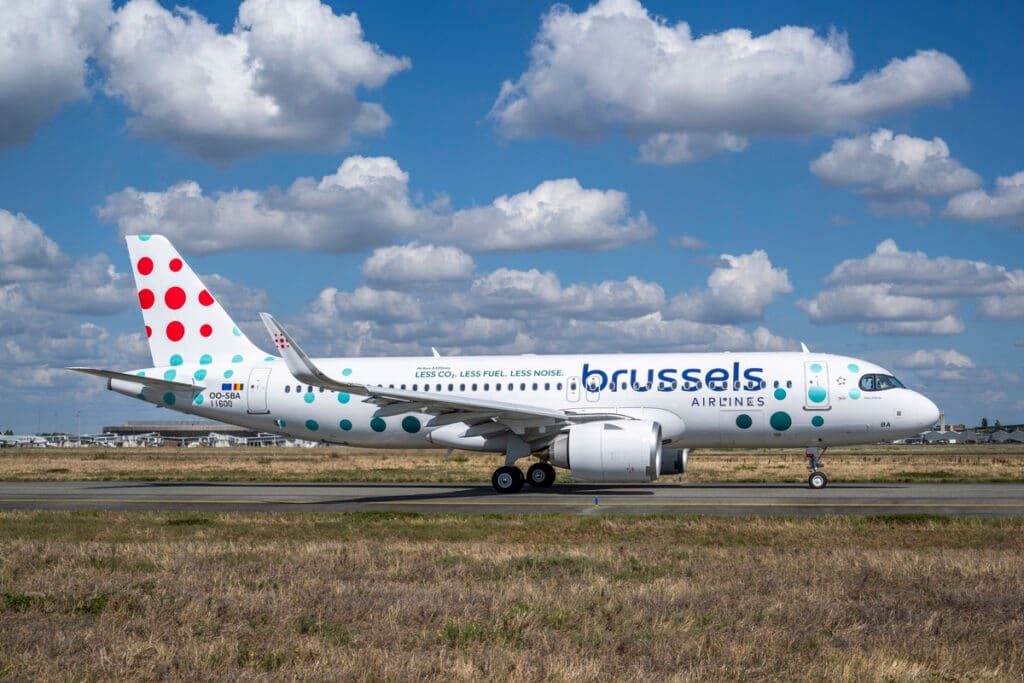
Brussels Airlines will add three Arctic destinations to its winter timetable, replacing its charter-only model in the region with regular scheduled flights. The Belgian carrier will serve Kittilä and Kemi in Finnish Lapland, plus Evenes in northern Norway, between December and March.
Until now, the airline operated Arctic flights exclusively through travel-agency charters. Growing demand has pushed the carrier to open bookings to individual travellers, giving passengers more control over dates and itineraries without committing to package holidays.
The move reflects a broader trend among European carriers: building winter leisure networks to offset slower demand during colder months. While many airlines chase sun destinations, Brussels Airlines is betting on snow.
The Routes
Kittilä will see the most frequent service, with flights operating three times weekly from 10 December through 27 March. The airport sits in the heart of Finnish Lapland, surrounded by frozen forests and traditional Sámi villages.
Kemi, further south along Finland's Bothnian coast, will receive up to two flights per week between 25 December and 10 March. The town is known for its snow castle, rebuilt each winter from blocks of sea ice.
Evenes, in northern Norway near the Lofoten archipelago and the city of Narvik, will operate once weekly during February and March. The airport serves as a gateway to fjords and mountain ranges that remain snow-covered well into spring.
All three destinations fall within the aurora oval, the belt of latitude where northern lights appear most reliably. Winter nights in these regions stretch long enough to offer multiple viewing opportunities, weather permitting.
Balancing the Calendar
Airlines face a persistent problem: summer demand far outstrips winter. Brussels Airlines has tackled this imbalance from multiple angles. The carrier hires student cabin crew during peak summer months to handle the surge. It has also expanded its Canary Islands network to four islands, including Fuerteventura, and added Funchal on Madeira for travellers seeking mild winter weather.
The Arctic routes represent the other end of the spectrum. Rather than offering warmth, they lean into winter itself, targeting travellers who want snow sports, wildlife encounters, and the possibility of auroras overhead.
Greet Vandebos, Head of Leisure Sales at Brussels Airlines, described the appeal in straightforward terms. The Arctic region in winter is magical, she noted, and the shift to scheduled flights allows travellers more choice to explore outdoor adventures and local culture.
The scheduled services will run alongside the existing charter programme, giving both independent travellers and package-holiday customers options. Passengers can book directly through the airline's website or via travel agencies.
What the Destinations Offer
Kittilä serves Levi, one of Finland's largest ski resorts, and a network of wilderness lodges. Visitors can arrange reindeer safaris, snowmobile tours, and cross-country skiing. The area is also home to Sámi communities, offering cultural programmes that include traditional storytelling and crafts.
Kemi attracts visitors for its SnowCastle, reconstructed annually with new architecture, and the icebreaker Sampo, which takes passengers onto the frozen Bothnian Sea. The town also functions as a base for exploring the Tornio River valley.
Evenes provides access to the Lofoten Islands, a dramatic archipelago of peaks rising directly from the sea. The region draws photographers, hikers, and climbers. Narvik, a short drive away, offers skiing and museums dedicated to Arctic history.
All three destinations share a common draw: the northern lights. Auroras appear most frequently between late autumn and early spring, when nights are longest and skies darkest. Clear weather and low light pollution improve the chances, though sightings are never guaranteed.
A Broader Network
Brussels Airlines operates as Belgium's home carrier within the Lufthansa Group. The airline connects Brussels Airport to more than 90 destinations worldwide, spanning Europe, Africa, and North America.
The addition of Arctic routes during winter months extends that network into a region few European airlines serve on a scheduled basis. The flights also complement the carrier's existing Scandinavian routes, which include year-round services to cities such as Stockholm and Copenhagen.
By offering both warm-weather escapes and cold-climate adventures, the airline aims to smooth out the seasonal peaks and troughs that define leisure travel. The Arctic flights won't match summer volumes, but they fill seats that would otherwise remain empty during the quieter months.
For travellers, the shift to scheduled service means greater flexibility. Package holidays still exist, but passengers can now book flights independently, mix and match accommodations, and build itineraries around personal interests rather than tour-operator schedules.
The routes also signal a broader shift in how people think about winter travel. Rather than viewing cold weather as something to escape, a growing segment of travellers seeks it out, drawn by landscapes and experiences that exist only when temperatures drop below freezing.