A Quarter-Century of Wear
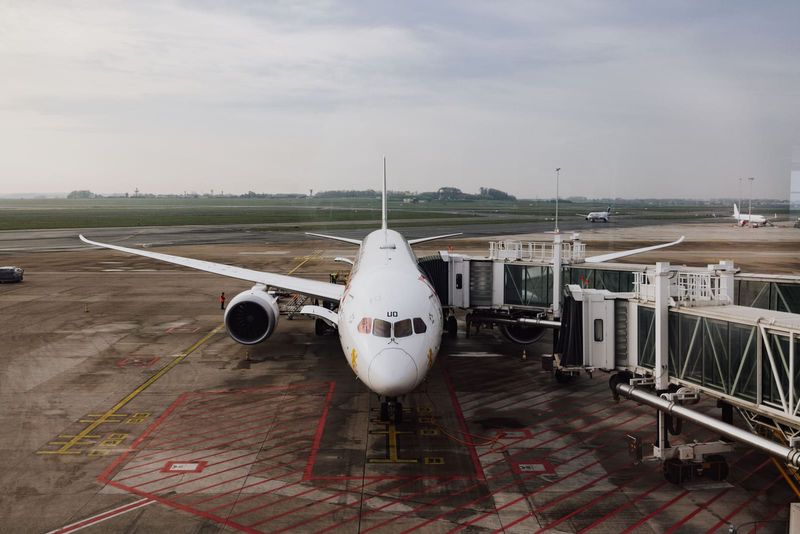
Brussels Airport kicked off work in late September to refurbish every passenger boarding bridge at Pier A, the terminal that handles all Schengen flights. The oldest of the 33 bridges date to 2002, when the pier first opened, and after nearly 25 years of daily operation, components are showing their age. The airport has committed approximately €25 million to the project, which will run through 2031 and is part of a broader half-billion-euro infrastructure programme scheduled to wrap up by 2032.
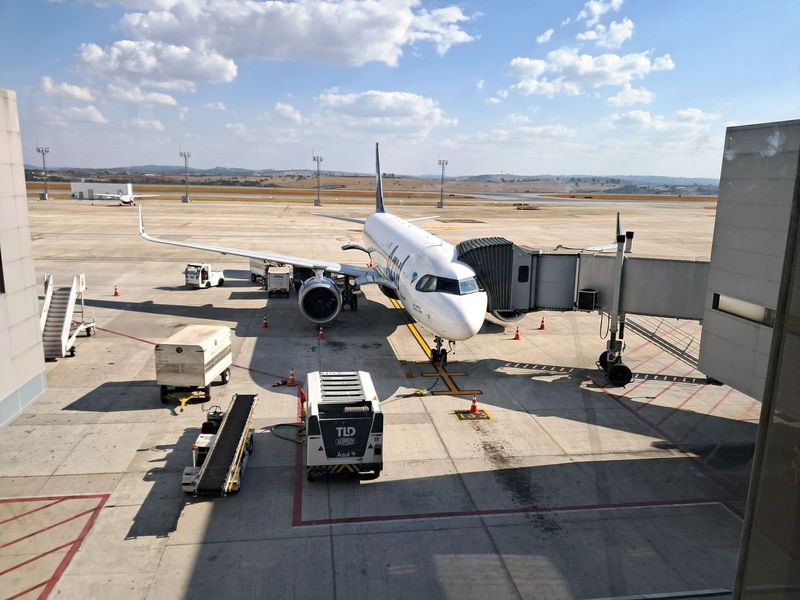
The investment reflects a practical reality: passenger volumes at Belgium's busiest airport continue to climb, and the infrastructure must keep pace. Boarding bridges are mechanical workhorses, extending and retracting dozens of times a day, exposed to weather, and bearing the weight of thousands of travellers. The refurbishment programme will address control systems, structural elements, floors, windows, and sensors, with the goal of extending operational life by at least another 15 years.
Staggered Work to Preserve Capacity
Brussels Airport has designed the project to minimise disruption. No more than three bridges will be out of service simultaneously during off-peak periods, and that number drops to two during the summer months when passenger traffic peaks. Each bridge will be disconnected from the pier, loaded onto specialised transport vehicles, and sent to the manufacturer for refurbishment. Depending on the scope of work required, a bridge may spend several months off-site before being returned and reinstalled.
The phased approach is essential for maintaining operational capacity. Pier A is dedicated to intra-Schengen flights, a significant share of Brussels Airport's traffic, and any bottleneck would ripple through schedules. By staggering the work over five years, the airport aims to keep sufficient gates available for airlines while still addressing the backlog of maintenance needs.
What Gets Replaced
Brussels Airport assessed each bridge individually to determine the extent of refurbishment required. Control systems will be replaced across the board, allowing ground handling teams to operate more efficiently and reducing the risk of mechanical failure. Additional sensors will be installed to monitor performance in real time, a step that should catch potential issues before they escalate into costly downtime.
Structural components, including the movable sections that extend from the terminal to the aircraft door, will be overhauled or replaced as needed. Floors and windows, which endure constant foot traffic and exposure to the elements, will be renewed where wear is evident. The approach is pragmatic: fix what is broken, upgrade what is outdated, and extend the life of the entire system without over-engineering.
Part of a Larger Overhaul
The boarding bridge project sits within a much larger infrastructure programme. Brussels Airport has earmarked approximately €500 million for upgrades through 2032, including renovations to arrival and departure halls, construction of an intermodal transport hub, expanded green space, and a four-star hotel. The intermodal hub is particularly significant, aiming to link rail, bus, and other modes of transport in a single facility.
Jean-Luc Crucke, Belgium's Federal Minister of Mobility, highlighted the importance of integrated transport when the broader programme was announced. He emphasised that modern mobility is no longer about isolated modes but about seamless connections that balance convenience, connectivity, and climate considerations. The intermodal hub is designed to make it easier for passengers to shift between trains, buses, and flights without navigating separate terminals or ticketing systems.
The boarding bridge refurbishment is less visible than a new terminal building or a mobility hub, but it is no less critical. Bridges are the interface between airport and aircraft, and their reliability directly affects turnaround times, passenger comfort, and operational efficiency. A malfunctioning bridge can delay a flight, strand passengers on the tarmac, or force airlines to use remote stands and buses, all of which erode the passenger experience and add cost.
The Economics of Maintenance
Spending €25 million on refurbishment rather than replacement is a bet that the existing infrastructure has years of useful life left. New passenger boarding bridges can cost upwards of €1 million each, depending on specifications, which would push the total cost of replacing all 33 well beyond the current budget. Refurbishment extends the service life at a fraction of the cost, provided the underlying structure remains sound.
The decision also reflects a broader trend in European aviation infrastructure. Many airports built or expanded in the early 2000s are now facing the first major wave of equipment renewal. Economic pressures, environmental considerations, and the long lead times for new construction all favour refurbishment over replacement when feasible. Brussels Airport is far from alone in this calculus.
Balancing Growth and Disruption
The challenge for Brussels Airport is to upgrade infrastructure without throttling capacity. Passenger traffic in Europe has recovered strongly from the pandemic lows, and demand shows little sign of slowing. Airlines are adding frequencies, and new routes are being announced regularly. An airport that cannot accommodate growth risks losing traffic to competitors, particularly in a region where alternative hubs are within a short flight or train ride.
At the same time, construction and maintenance work inevitably create friction. Gates go offline, passengers navigate detours, and ground crews adjust to temporary configurations. The five-year timeline for the boarding bridge project is a compromise between speed and operational continuity. Completing the work faster would require taking more bridges out of service simultaneously, which could strain capacity. Stretching it out further would leave ageing equipment in service longer, increasing the risk of breakdowns.
What Passengers Will Notice
For most travellers, the impact of the refurbishment will be subtle. Fewer delays due to equipment failure, smoother boarding processes, and perhaps newer floors and windows at certain gates. The real benefit is what does not happen: the avoided disruptions, the flights that depart on time because a bridge did not malfunction, the ground crew that can work more efficiently with updated controls.
Infrastructure projects like this rarely generate headlines, but they underpin the reliability that passengers take for granted. A well-maintained airport is one where the machinery fades into the background, where the focus is on the journey rather than the equipment that makes it possible. Brussels Airport is betting that €25 million spent now will deliver that invisibility for the next decade and a half.