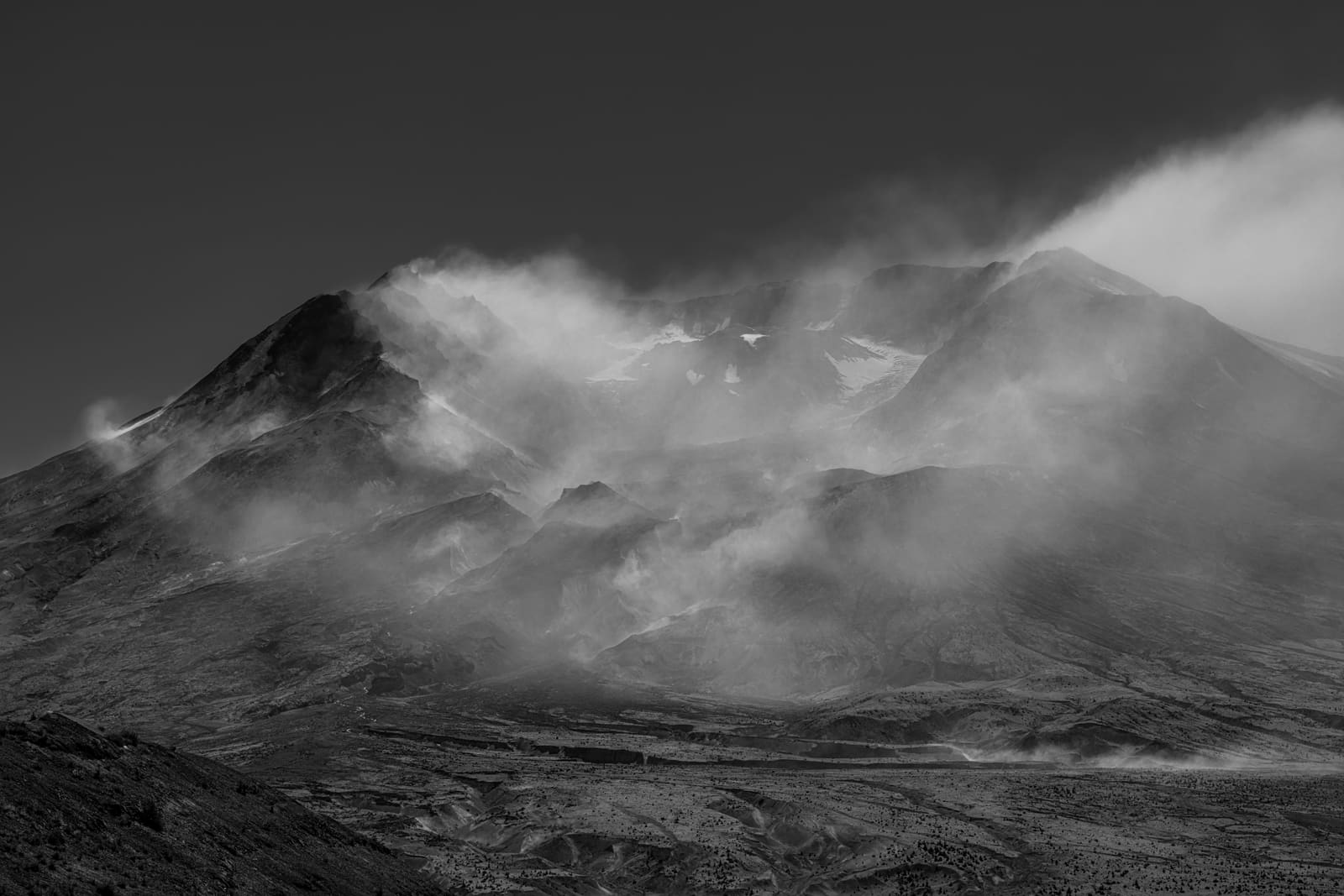
Another Day Grounded
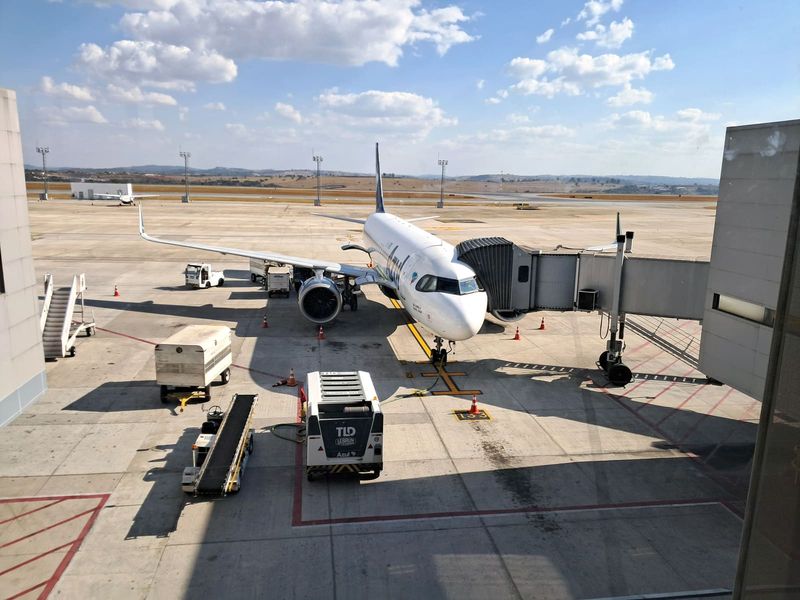
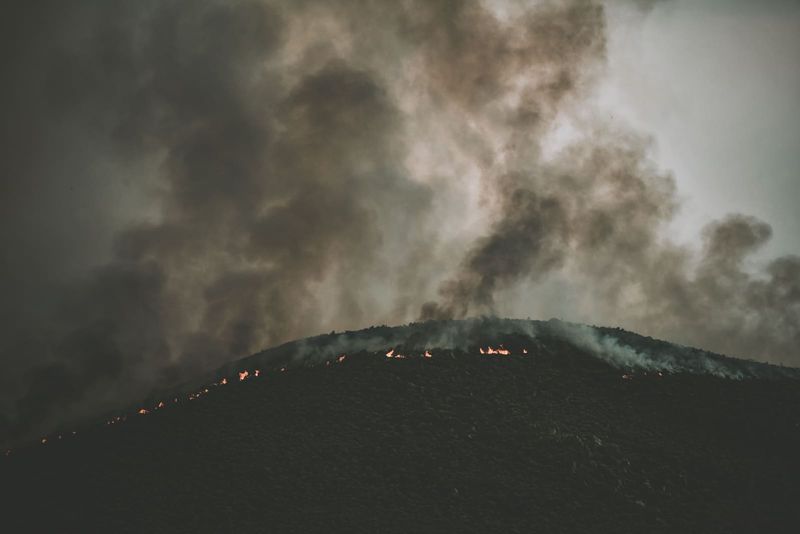
Catania airport will remain closed through late Monday evening, operator SAC announced over the weekend, as ash from Mount Etna continues to drift across the airspace. The suspension, now in its third consecutive day, affects Italy's fifth-busiest airport by passenger volume. SAC advised travellers to confirm flight status directly with airlines before heading to the terminal, with further updates expected as conditions evolve.
The disruption is the latest in what has been a particularly difficult summer for the Sicilian gateway. Etna, Europe's tallest and most active volcano, regularly sends ash plumes high enough to interfere with aircraft, but the intensity and frequency this year have been unusual. A closure in mid-September lasted long enough to strand thousands of passengers, and an earlier shutdown in August stretched five days, the longest emergency closure since 2002.
A Summer of Stops and Starts
That August closure coincided with Ferragosto, the peak Italian summer holiday when coastal and mountain destinations fill with travellers. According to SAC, 36 per cent of nearly 2,000 scheduled arrivals between 6 and 12 August were cancelled. More than 600 flights were diverted to airports in Palermo, Trapani, Comiso and Lamezia Terme. The ripple effect, compounded by limited accommodation and ground transport options, left many passengers scrambling.
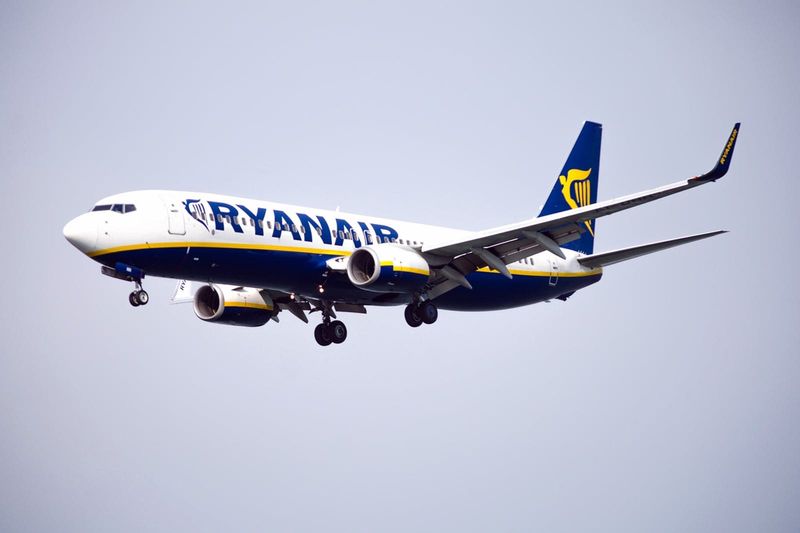
The decision to close an airport is never taken lightly, but the risk posed by volcanic ash is real. Fine particles of rock and volcanic glass can be drawn into jet engines, where the extreme heat melts them. The resulting build-up can choke airflow and cause engines to lose power. Boris Behncke, a researcher at the National Institute of Geophysics and Volcanology's Etna Observatory, has noted the caution that surrounds volcanic ash emissions. The material is abrasive, capable of damaging fuselages and windscreens, but the engine threat is what grounds planes.
Where the Ash Goes
Ash plumes do not behave predictably. Wind direction and speed vary by altitude, meaning a cloud can shift course or spread in multiple directions depending on atmospheric conditions. Authorities rely on a combination of volcano monitoring, satellite imagery, weather data and ash-dispersion models to assess when it is safe to reopen airspace. The decision is not binary; it requires continuous reassessment as both the eruption and the weather evolve.
Etna's activity this summer has been intense, but the volcano itself has caused relatively few direct casualties. The most recent fatalities linked to an eruption occurred in 1987, nearly four decades ago. In recent years, lightning strikes on the mountain have proven more lethal than lava or ash. In August, a 29-year-old American tourist from Kansas died after being struck by lightning while hiking in an area closed to the public due to volcanic activity. Italian firefighters recovered the man by helicopter, but he was declared dead shortly after.
What Travellers Can Do
For anyone with plans involving Catania, the advice is straightforward but often ignored: check flight status before leaving for the airport, and keep checking. Conditions at your departure point may look clear, but the ash affecting your aircraft could be hundreds of kilometres away. Airlines have access to real-time data and will cancel or divert flights when necessary, but communication lags are common during fast-moving disruptions.
Having a backup plan matters. If a flight is cancelled, delayed or diverted to another Sicilian airport, connecting flights, car hire and accommodation can all fall apart quickly. Flexibility, whether through travel insurance or rebooking options, can mean the difference between a manageable inconvenience and a lost holiday.
Etna is not going to stop erupting. It has been active for hundreds of thousands of years, and the communities around it have learned to live with the rhythm. But for an airport that handles millions of passengers each year, that rhythm is increasingly difficult to manage. The volcano's behaviour this summer suggests that closures, once rare enough to be notable, may become a more regular feature of travel to and from eastern Sicily.