Another Weekend Grounded
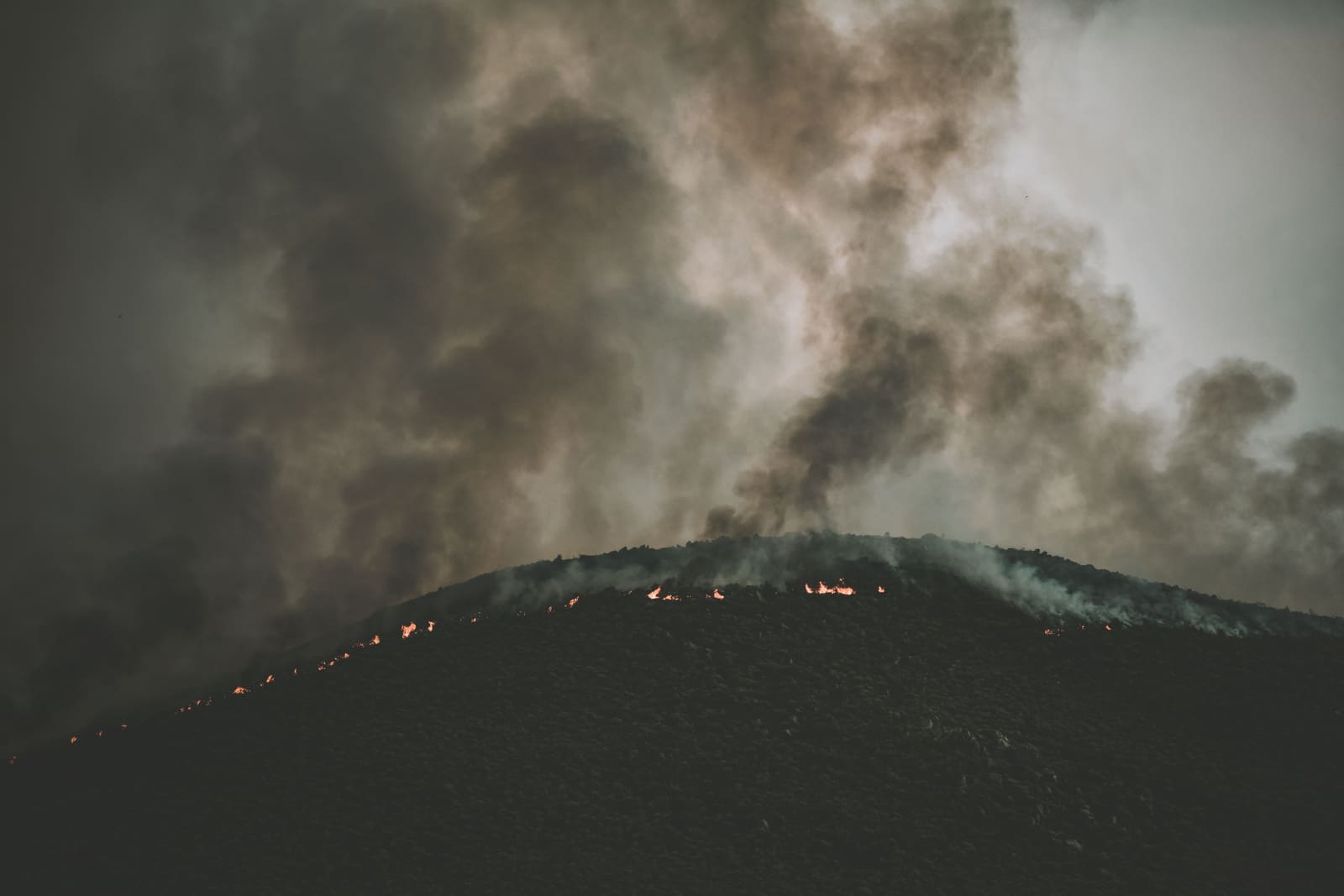
Catania airport suspended all operations on Saturday after volcanic ash from Mount Etna combined with poor weather conditions to make flying unsafe. The facility, Italy's fifth-busiest for passenger numbers, kept incoming flights grounded until 1000 GMT on Sunday, according to the airport authority.
The closure is the latest in a pattern that has defined this summer in Sicily. The same airport shut down on 14 September for the same reason. A month before that, during Ferragosto in mid-August, when Italians traditionally flock to beaches and mountains, the airport remained closed for five days. That marked the longest emergency shutdown since 2022.
For travellers planning trips to Sicily or connecting through Catania, Mount Etna has become an unpredictable variable. Europe's tallest and most active volcano sits close enough to the airport that ash plumes regularly drift into flight paths, and this summer has seen unusually frequent and heavy emissions.
Why Ash Grounds Planes
The precaution is not arbitrary. Volcanic ash poses serious mechanical risks to aircraft, particularly to engines. According to Boris Behncke, a researcher at the National Institute of Geophysics and Volcanology's Etna Observatory, ash particles can be drawn into turbines and cause them to stall mid-flight. The threat is severe enough that aviation authorities take a zero-tolerance approach when ash concentrations reach certain levels.
The disruption affects more than holiday plans. Catania serves as a critical hub for both tourism and regional connectivity in southern Italy. Thousands of passengers have found themselves stranded or rerouted this summer, with knock-on effects rippling through airline schedules across the Mediterranean.
Yet the volcano itself remains relatively benign to people on the ground. The most recent fatalities directly linked to an eruption on Etna occurred nearly 40 years ago, in 1987. In recent decades, lightning strikes have actually killed more people on the mountain than volcanic activity, according to officials.
That statistical oddity was underscored in August when a 29-year-old American tourist from Kansas died after being struck by lightning whilst hiking on Mount Etna. The man had been in an area closed to visitors due to volcanic activity and was airlifted by helicopter but later pronounced dead.
A Volcano That Defines the Landscape
Mount Etna is not a dormant curiosity. It erupts frequently, sometimes spectacularly, and its activity shapes daily life across eastern Sicily. Residents are accustomed to the rumble, the glow on the horizon, and the occasional dusting of ash on streets and cars. For them, the volcano is both a source of fertile soil and a reminder of nature's power.
For the aviation industry, however, Etna represents a persistent operational headache. Unlike sudden, catastrophic eruptions that make headlines worldwide, Etna's frequent low-level activity creates a grey zone where safety margins are tight and decisions must be made quickly. Airlines and airport operators have little choice but to err on the side of caution.
The repeated closures this summer highlight a broader challenge for destinations near active volcanoes. Iceland's airports face similar disruptions from their own volcanic belt. Japan's regional hubs near Mount Sakurajima deal with periodic ash clouds. In each case, the economic cost is significant, but the safety imperative is non-negotiable.
What It Means for Travellers
If you are planning to fly into or out of Catania, especially between late spring and early autumn when Etna tends to be more active, flexibility is essential. Travel insurance that covers volcanic disruption is worth considering, as is booking with airlines that offer rebooking options without penalty.
The closures are typically announced with little notice. Ash plumes can shift direction within hours depending on wind patterns, and what looks like a clear morning can turn into a no-fly afternoon. Monitoring the airport's official channels and your airline's updates becomes part of the travel routine.
For those already in Sicily when a closure occurs, the island offers plenty to explore whilst waiting for skies to clear. But for those trying to get there, or trying to leave, the disruption can mean missed connections, rebooked hotels, and itineraries thrown off course.
Mount Etna is not going anywhere, and neither is its ash. As long as the volcano remains active and Catania airport remains where it is, this uneasy coexistence will continue. Travellers drawn to Sicily's beaches, ancient ruins, and vibrant cities will need to accept that the same geological forces that built this landscape can occasionally shut it down.