A Single Severed Cable
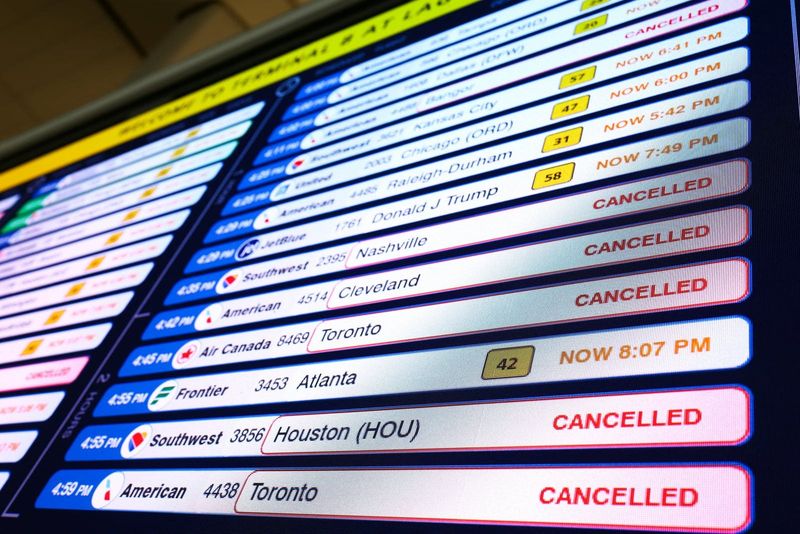
A construction crew working at a site in New Jersey accidentally cut through a telecommunications line on 21 September, triggering ground stops that expanded across six of the busiest airports on the US East Coast. The initial halt affected Newark Liberty, Philadelphia International and Teterboro airports before spreading to New York's John F. Kennedy and LaGuardia facilities, as well as Boston Logan International.
The Federal Aviation Administration confirmed that the disruptions originated from the accidental line cut. Administrator Bryan Bedford stated that crews were working to install a replacement circuit, though no timeline was provided for lifting the ground stops. More than 5,600 US flights experienced delays or cancellations according to FlightAware, with 1,200 of those at the three New York-area airports alone.
The Facility at the Centre
The outage affected the Philadelphia Terminal Radar Approach Control, a facility that coordinates aircraft approach and departure traffic across a large swath of the north-eastern United States. Known as TRACON, the centre experienced failures in both frequency communications and radar links, leaving controllers unable to manage flights in their usual capacity.
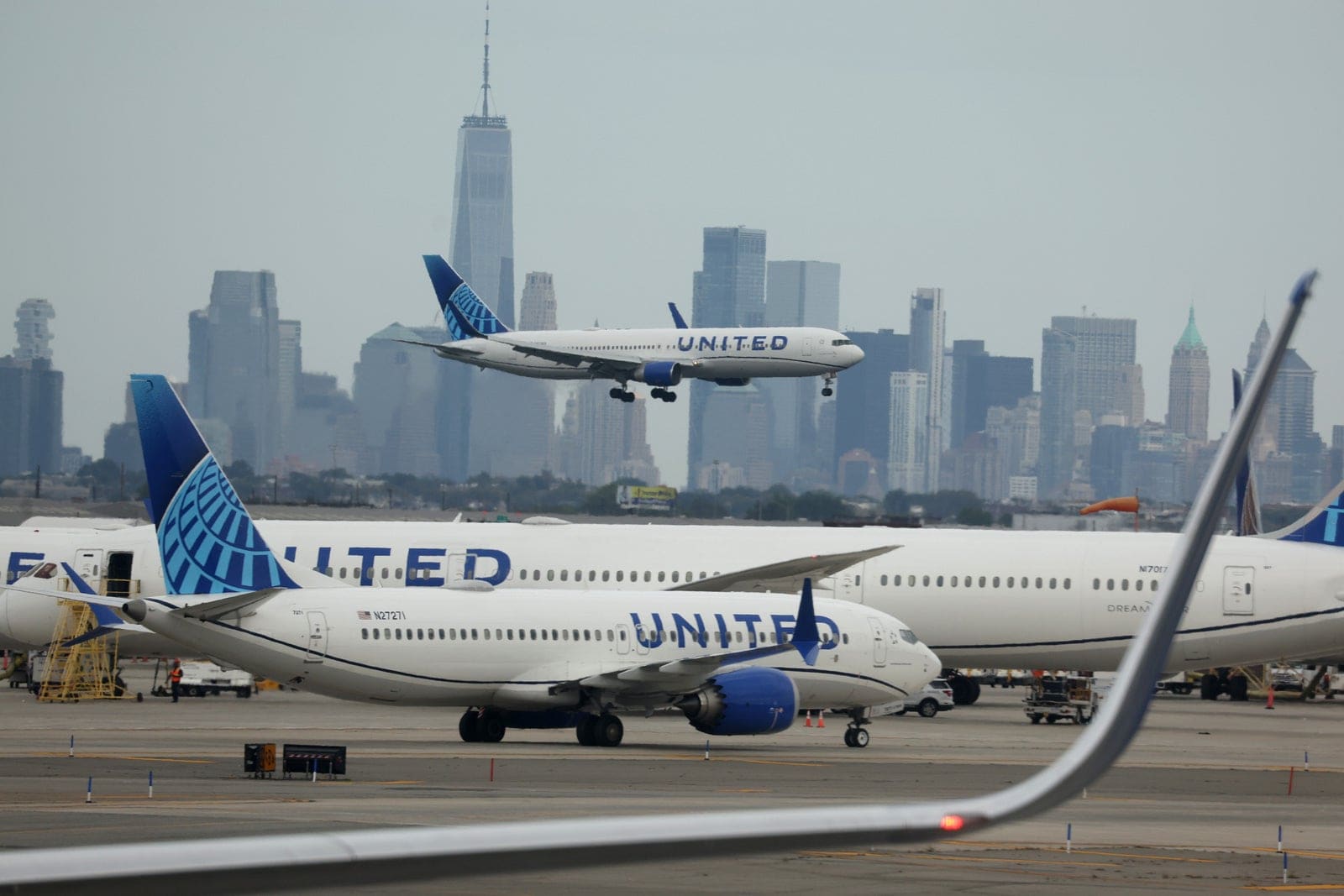
Newark serves as a major hub for United Airlines, whilst Philadelphia operates as an American Airlines hub. The timing compounded the disruption: 130 world leaders and dozens of ministers were arriving in New York for the annual high-level meeting of the United Nations General Assembly.
Stranded passengers posted updates across social media as delays stretched through the morning. One traveller preparing to board a flight from Washington, DC to New York described the situation as the worst possible timing, noting the convergence of diplomatic arrivals and infrastructure failure. Others flagged the logistical strain on airlines, security teams and diplomatic delegations during an already sensitive period.
A Pattern of Vulnerability
The Philadelphia TRACON facility has faced repeated infrastructure problems. In May 2025, the same operation experienced multiple communication blackouts. Telecommunications failures also disrupted controller radar displays at the facility earlier that year.
Congress approved 12.5 billion US dollars to modernise ageing air traffic management systems and expand controller hiring, a response to chronic vulnerabilities in the network. The funding aims to address both equipment deficiencies and staffing shortages that have left critical facilities operating with limited redundancy.
The accidental line cut exposed how dependent the system remains on single points of failure. A construction error at one site in New Jersey cascaded into disruptions affecting hundreds of thousands of passengers across multiple states.
Broader Context
The US disruptions occurred on the same day that a connectivity issue at the NATS Prestwick control centre in Scotland grounded flights across Edinburgh, Leeds Bradford, Belfast and Manchester, affecting thousands more travellers. The coincidence of two major air traffic failures on opposite sides of the Atlantic underscored the fragility of systems that manage increasingly dense airspace.
Some passengers reported additional security checks at boarding gates, prompting speculation about heightened security measures. Travellers noted TSA screenings conducted at gates on flights from Austin and Maine to New York airports, though officials described the checks as routine.
The ground stops at Newark, Philadelphia and the New York airports disrupted a region that handles a substantial portion of transatlantic and domestic US traffic. The absence of a clear timeline for restoring normal operations left airlines scrambling to rebook passengers and manage cascading delays through their networks.
What Happens Next
The FAA has not released detailed information about backup systems or contingency protocols that might prevent similar disruptions. The 12.5 billion dollar modernisation programme includes plans for redundant communication lines and upgraded radar systems, but implementation timelines remain unclear.
For airports that serve as major hubs, a single infrastructure failure can ripple across the entire network. Newark and Philadelphia together handle tens of millions of passengers annually, and both are linchpins in their respective carriers' route structures. The September incident demonstrated that even accidental damage to a single cable can halt operations across multiple facilities.
The convergence of the UN General Assembly and the infrastructure failure highlighted the vulnerability of air traffic systems during periods of peak demand. Whether the modernisation funding will deliver the redundancy needed to prevent future disruptions remains an open question for travellers and airlines alike.