Negotiations at a Standstill
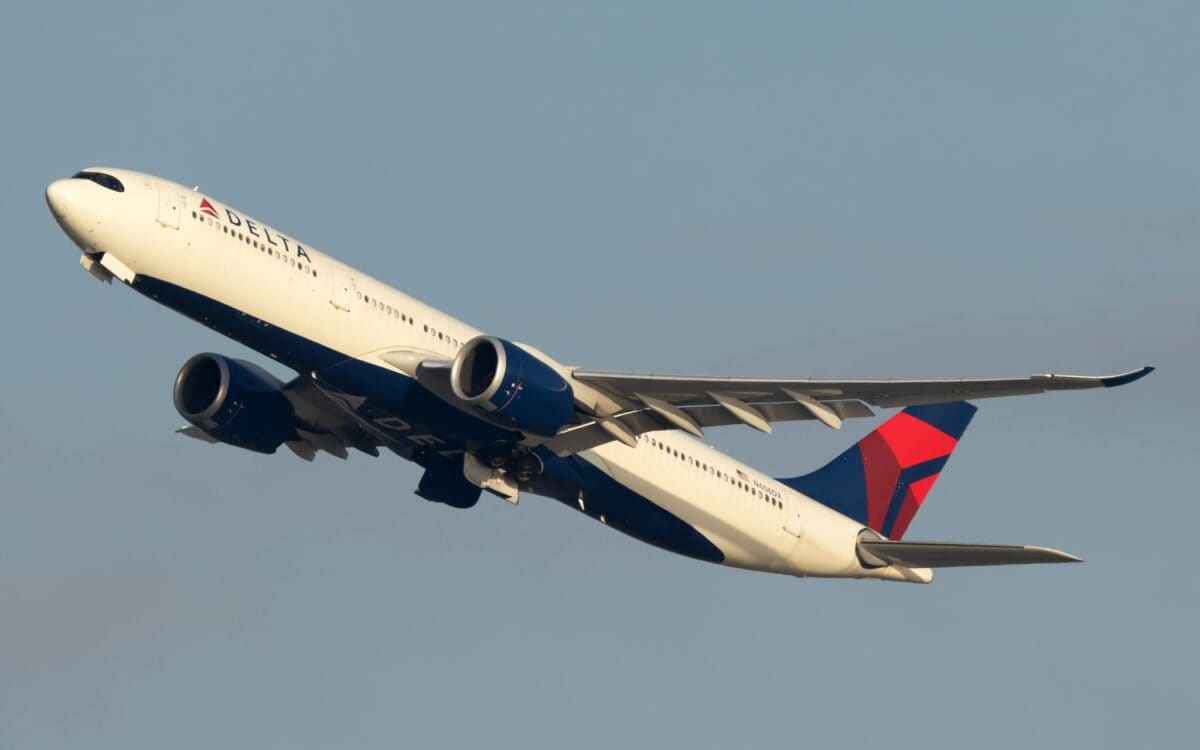
Delta Air Lines and its pilots union have been unable to reach an agreement on crew scheduling, even as flight cancellations climb above typical levels this year. The impasse comes at a time when operational reliability has become a central concern for passengers choosing between carriers.
The airline's pilot group has outlined specific points of contention that led to the breakdown in talks. Chief among them are disagreements over scheduling flexibility, reserve duty protocols, and how trips are assigned during irregular operations. These technical details might sound dry, but they directly affect how many flights get cancelled when weather or equipment problems ripple through the network.
Delta has long marketed itself on dependability. For years, the carrier pointed to completion rates and on-time performance as key differentiators in a crowded market. That reputation is now under pressure as operational hiccups become more frequent.
What's Driving the Disruptions
Several factors are at play. Pilot availability remains tight across the industry, even as travel demand holds steady. When schedules are built with little buffer, any unexpected event can cascade quickly. A delayed crew in Atlanta might mean a cancelled flight in Seattle hours later.
The union argues that current scheduling practices leave too little margin for error. Pilots say they are often assigned trips that look efficient on paper but fall apart the moment anything goes wrong. Management, for its part, needs to balance crew costs with operational needs, a calculation that becomes harder when labor agreements are already locked in on pay and benefits.
Neither side has shared a timeline for when talks might resume. The lack of progress is unusual for Delta, which has historically managed labor relations more smoothly than some of its competitors. The company avoided the public contract battles that plagued other carriers in recent years, making this impasse all the more notable.
The Passenger Impact
For travelers, the result is straightforward: more uncertainty. Cancellations are up, and even when flights operate, delays tied to crew positioning have become more common. Business travelers who chose Delta specifically for reliability are reconsidering their loyalty. Leisure passengers, meanwhile, face tighter rebooking options when things go wrong during peak travel windows.
The airline has not released detailed cancellation figures for the year, but anecdotal reports from frequent flyers and airport staff suggest the trend is noticeable. Social media chatter reflects growing frustration, particularly among elite-status members who expect smoother experiences.
What Happens Next
The scheduling dispute is separate from broader contract negotiations, which means it won't be resolved simply by waiting for the next bargaining cycle. Both sides will need to return to the table with new proposals if they want to break the deadlock.
In the meantime, Delta faces a choice: adjust operations to fit the current crew availability constraints, or risk further erosion of its reliability metrics. The latter would be a significant shift for a brand that has spent years building its reputation on punctuality and dependability.
Pilots, too, have a stake in finding a solution. Extended disruptions hurt the airline's financial performance, which in turn affects profit-sharing payouts that make up a meaningful portion of pilot compensation. The union's challenge is to push for better working conditions without undermining the carrier's competitive position.
For now, passengers booking Delta flights should build in extra buffer time and have backup plans ready. The scheduling talks may eventually produce a fix, but until then, the airline's operational edge looks shakier than it has in years.