Another Disruption in a Long Pattern
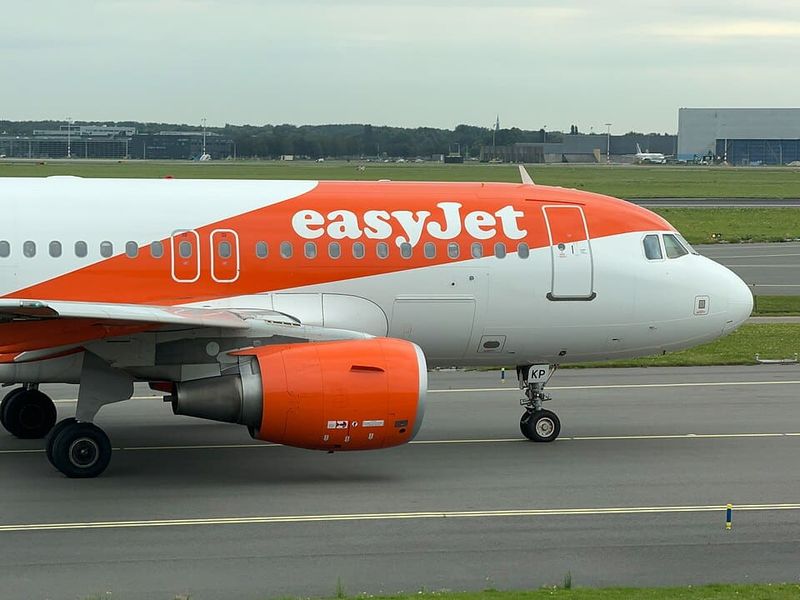
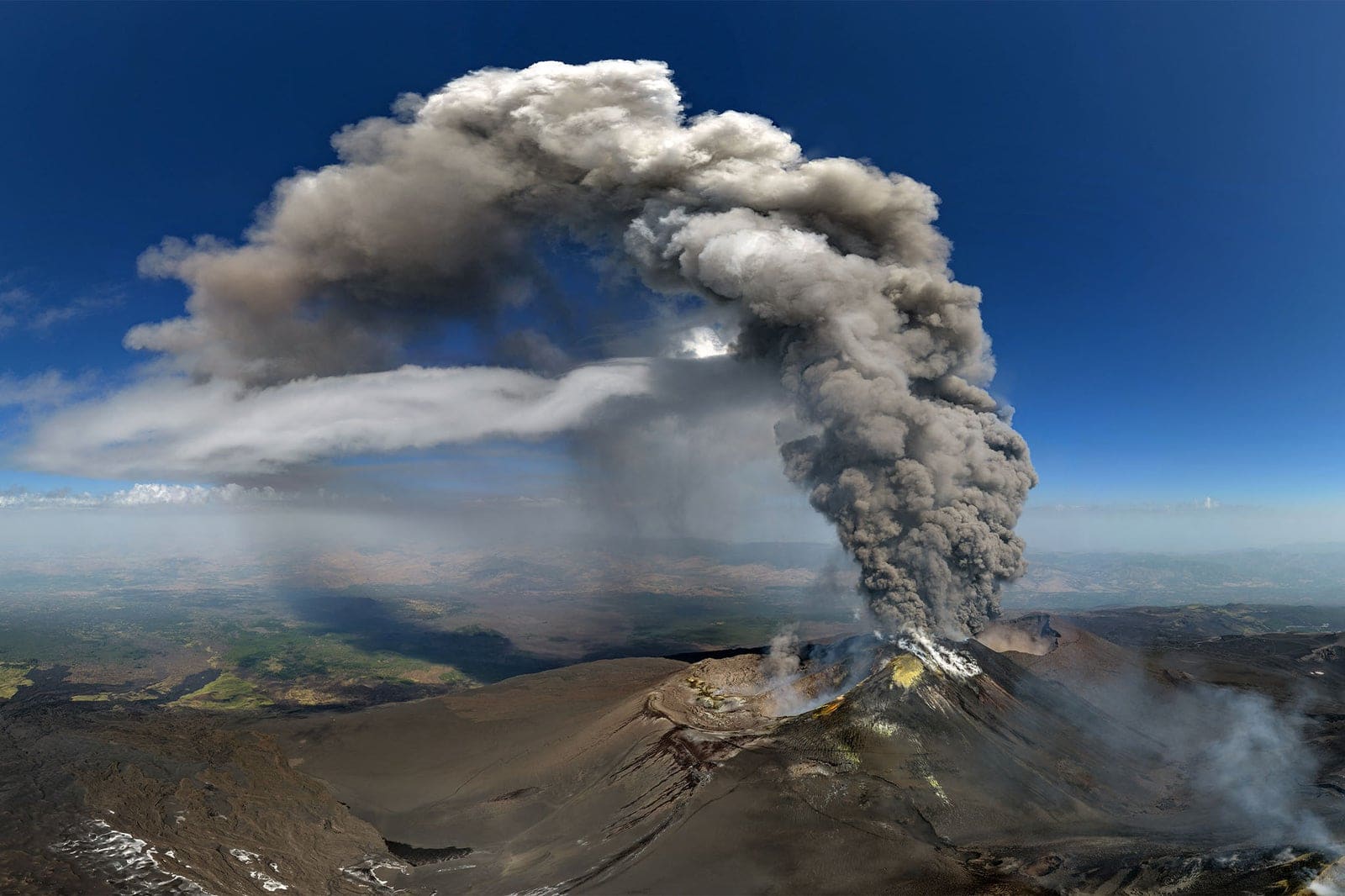
Catania airport shut its doors to arriving aircraft on Monday morning, the latest casualty of Mount Etna's restless behaviour. The suspension, imposed until 5pm local time, came after volcanic ash from fresh eruptive activity drifted into airspace southwest of the volcano. Operators closed Sector C1, the airspace corridor directly affected by the ash cloud, leaving dozens of scheduled flights from Ryanair, easyJet, ITA, and Wizz Air either diverted or stuck in limbo.
The airport, Sicily's busiest and Italy's fifth-largest by passenger traffic, had initially tried to manage the situation by restricting inbound traffic to five landings per hour under a reciprocal runway configuration. That arrangement lasted only until 6am before authorities decided a full suspension was the safer call.
SAC, the airport operator, advised passengers to check flight status with their airlines before heading to the terminal. The message was clear: this was not a brief inconvenience. Volcanic activity near Catania has a history of upending travel plans, and Monday's closure followed a similar shutdown in July when Etna sent ash skyward and forced the cancellation of all flights.
A Volcano That Commands Attention
Mount Etna sits just 29 miles from Catania by road, close enough that its moods directly shape the airport's operations. The volcano, Europe's tallest and one of the most active on the planet, has been erupting from vents at altitudes of 2,750 metres and 2,360 metres, according to Italy's National Institute of Geophysics and Volcanology. Those eruptions have fed several lava flows and created extensive lava fields on the mountain's slopes.
The institute's Volcano Observatory Notice for Aviation remained at red, the highest alert level, signalling ongoing hazards for aircraft. Volcanic ash is a serious threat to aviation. The fine particles can damage engines, clog fuel systems, and scratch cockpit windows, making it invisible radar but deadly to planes in flight. Airlines and air traffic controllers treat ash clouds with extreme caution, and closures like Monday's are standard protocol when the sky turns hostile.
Palermo airport, on Sicily's northwest coast, continued operating normally. The island's geography worked in its favour, with prevailing winds carrying Etna's ash away from the western side.
The Cost of Living Near an Active Volcano
Catania's location makes it a convenient gateway to Sicily's east coast, but that convenience comes with a trade-off. The airport serves millions of passengers each year, many of them tourists drawn to the island's beaches, historic towns, and, ironically, the volcano itself. Budget carriers have made Catania a key node in their European networks, and disruptions here ripple outward.
The frequency of these closures raises questions about contingency planning. July's full shutdown and Monday's hours-long suspension are reminders that Etna does not operate on a schedule that respects flight timetables. Passengers flying into or out of Catania during the summer months, when volcanic activity tends to pick up, face the possibility of delays or diversions as part of the bargain.
For airlines, the disruptions mean scrambling to reroute aircraft, rebook passengers, and manage the logistical headache of planes in the wrong place. For travellers, it means uncertainty. A flight that was supposed to land in Catania might end up in Palermo, or not in Sicily at all.
What Comes Next
The situation on Monday was fluid. SAC said it would continue monitoring volcanic activity and weather conditions, with updates to follow as the ash cloud shifted or dissipated. The 5pm deadline for resuming arrivals was not a guarantee, just a target based on the best available information.
Mount Etna's behaviour is unpredictable in the short term, even if its long-term pattern of frequent eruptions is well understood. The volcano has been active for thousands of years, and its current phase shows no signs of winding down. That means more disruptions are likely, whether in the coming weeks or months.
For now, passengers with flights to Catania are left checking their phones and refreshing airline websites, waiting to see if the ash clears and the airport reopens. It is a familiar routine for anyone who has travelled through this part of Sicily, where the volcano is both a draw and a hazard, shaping life on the island in ways both dramatic and mundane.