A Faster Link to Belgium's Second City
Eurostar will begin running direct trains between London St Pancras and Antwerp-Centraal on 14 December, trimming the current journey by roughly 30 minutes. The new service brings travel time down to around two hours and 45 minutes, compared with the three-hour-plus trip that currently requires a change in Brussels.
One-way tickets are already on sale, starting at £51. That pricing puts Antwerp within reach for weekend trips without the layover hassle that has long made Brussels the easier Belgian choice for travellers leaving from London.
Antwerp becomes a direct stop on Eurostar's existing London-Amsterdam services, meaning the trains will now call at Brussels, Antwerp and Rotterdam before reaching Amsterdam. The operator announced the route addition in July, describing it as a way to offer "a more comfortable city centre to city centre travel experience" and acknowledging demand for quicker access to Belgium's Flemish region.
Why Antwerp, and Why Now
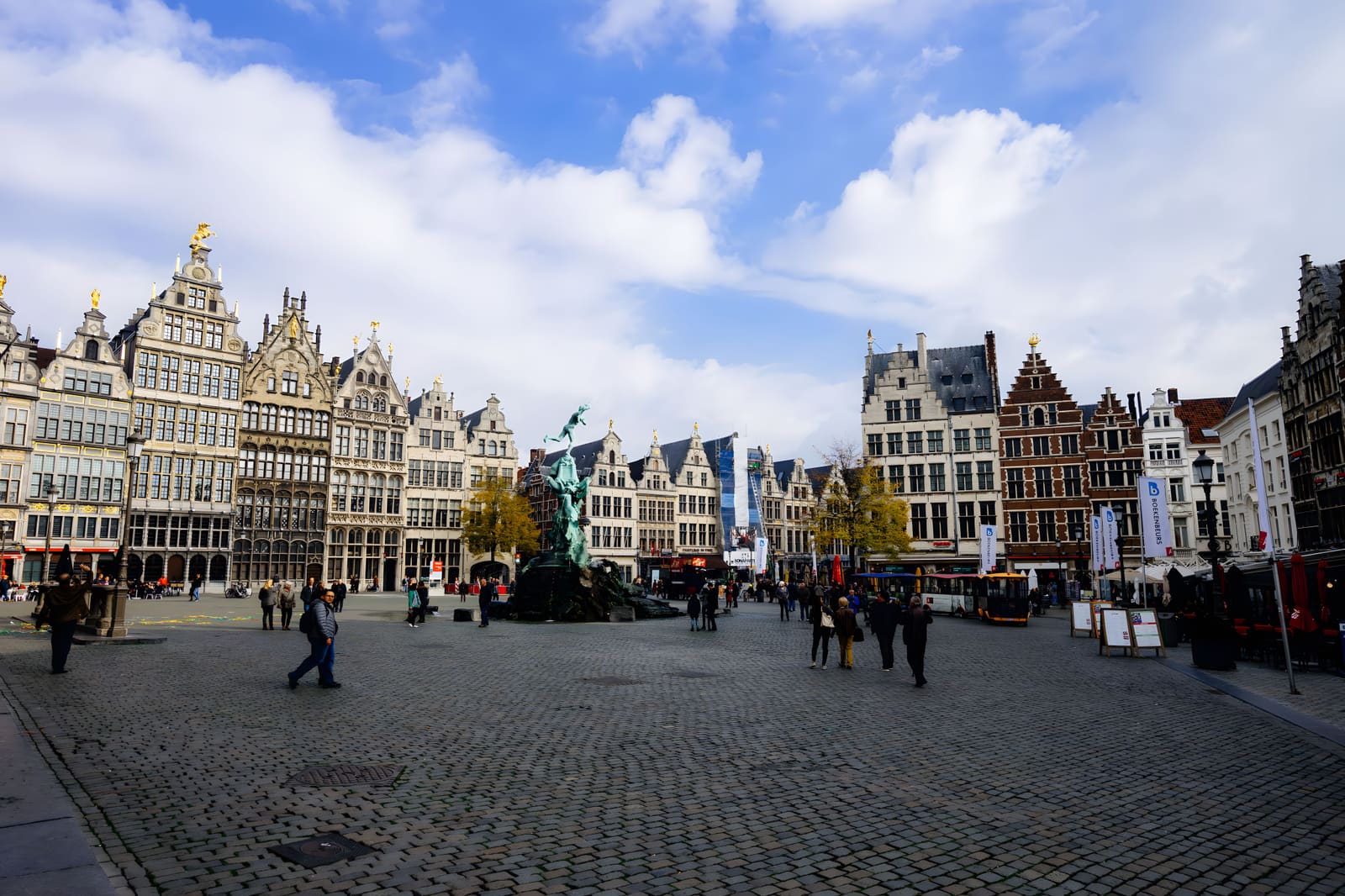
The timing is deliberate. Mid-December positions the launch to capture the tail end of the Christmas market season, when Antwerp's central square fills with wooden chalets, an ice rink and a Ferris wheel. But the commercial logic runs deeper than festive appeal.
Antwerp is Belgium's second-largest city by population and its biggest port by cargo volume. It has a strong design and fashion scene, anchored by the Royal Academy of Fine Arts and a cluster of independent labels. The Museum aan de Stroom (MAS) and the Rubens House draw cultural tourists, while the diamond district remains a working hub rather than a heritage curiosity.
For Eurostar, adding Antwerp without laying new track or building new platforms keeps costs low. The infrastructure already exists; the trains already pass through Antwerp-Centraal on the way to the Netherlands. What changes is the commercial stop, which requires customs and immigration arrangements but no major capital outlay.
That incremental approach reflects the operator's cautious expansion since the pandemic. Eurostar and Thalys merged in 2022 to form Eurostar Group, and the combined entity has spent the past two years rebuilding frequency on core routes rather than launching new destinations. Antwerp is the first new direct service from London since that merger took effect.
The Wider Rail Picture in Western Europe
Cross-Channel rail has been under pressure from multiple directions. Eurostar cut capacity during COVID-19 and has been slow to restore it, citing border-processing bottlenecks at St Pancras and staff shortages. Ticket prices have climbed, prompting complaints that the service is pricing out casual travellers in favour of business and premium passengers.
At the same time, short-haul flights between London and European cities remain cheap and frequent. Budget carriers have added capacity on routes like London-Brussels and London-Amsterdam, keeping pressure on rail operators to prove that trains offer more than just a lower carbon footprint.
Rail advocates argue that city-centre-to-city-centre convenience is the strongest card trains hold, especially on journeys under four hours. Antwerp fits that profile neatly. Flying from London to Antwerp requires a connection or a trip to a regional airport; the train delivers passengers into the heart of the old town, a short walk from most hotels and attractions.
Belgium's national railway operator, SNCB, has also invested in upgrading Antwerp-Centraal, a grand Beaux-Arts station that was renovated in the 2000s and now handles high-speed services to Paris, Amsterdam and, from December, London. The station itself is a draw; its vaulted hall and marble staircases feature on plenty of travel Instagram feeds.
What This Means for Travellers
For anyone planning a trip to Antwerp, the direct service removes a friction point. Changing trains in Brussels is not complicated, but it adds time and the risk of missing a connection if the inbound Eurostar runs late. Families with luggage, older travellers and anyone unfamiliar with Brussels-Midi station will find the direct option more straightforward.
The sub-three-hour journey also makes day trips viable, though that depends on ticket pricing and schedule frequency. Eurostar has not yet published the full timetable, so it is unclear how many trains per day will stop in Antwerp or whether early-morning and late-evening services will be included.
Antwerp's tourism board has been lobbying for this route for years, arguing that the city was losing visitors to Brussels simply because of the connection requirement. The new service should redistribute some of that traffic, particularly among travellers who have already visited Brussels and are looking for a different Belgian experience.
The city's hotel sector has been preparing for the shift. Several new openings in the past 18 months have targeted the design-conscious market, including a converted warehouse hotel near the MAS and a boutique property in the fashion district. Room rates in Antwerp remain lower than in Brussels or Amsterdam, which could appeal to budget-conscious travellers willing to trade a big-name destination for better value.
The Longer View on Eurostar Expansion
Eurostar has talked for years about adding destinations like Cologne, Frankfurt and Geneva to its direct network. Those routes would require cooperation from German and Swiss rail operators, new rolling stock in some cases, and clearance from multiple national regulators. Progress has been slow, and the operator now says those services are unlikely before the early 2030s.
Antwerp, by contrast, required none of those complications. It is a test case for what Eurostar can achieve within its existing infrastructure, and if the route proves commercially successful, it may prompt similar additions elsewhere. Lille, Bruges and Ghent are all on the current network and could theoretically be added as direct stops from London without major investment.
The broader question is whether rail can reclaim market share from budget airlines on short European routes. That will depend on pricing, frequency and political willingness to support rail over aviation through subsidies, tax policy or environmental regulation. Antwerp is one data point in a much larger argument about how Europe moves people around in the coming decade.
For now, the new service offers a straightforward benefit: a quicker, simpler way to reach a city that has long been overshadowed by its neighbours. Whether that translates into a meaningful shift in travel patterns will become clear over the next year.