A Day of Disruption
Travellers passing through Brussels Airport on Friday, 9 October face significant disruption as ground handling staff walk off the job. The airport expects roughly 140 arrivals and departures to be scrapped, affecting thousands of passengers caught in the middle of a broader labour dispute over Belgium's economic direction.
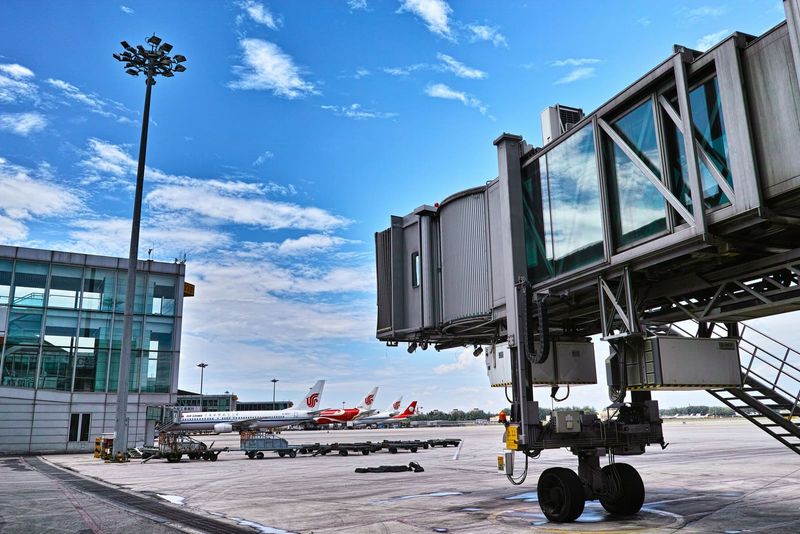
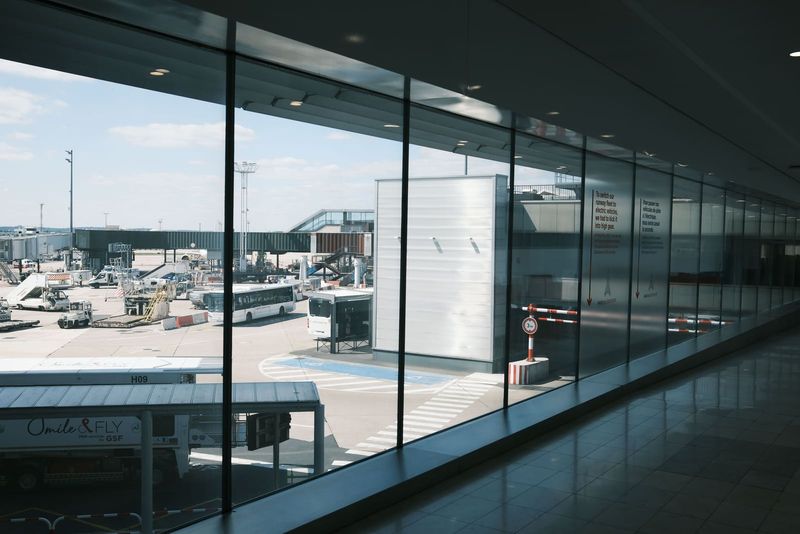
The cancellations stem from industrial action at Alyzia, a ground handling firm that serves multiple carriers operating out of Belgium's busiest airport. Staff at the company are joining a nationwide demonstration organised by trade unions, leaving the airport with reduced manpower to perform essential tasks such as loading baggage, refuelling aircraft, cleaning cabins and towing planes on the tarmac.
Brussels Airport confirmed the disruption in a statement, noting that Alyzia would operate with limited staffing throughout the day. The airport estimates that approximately half of the flights handled by the company will proceed as scheduled, while the remainder will be cancelled. Passengers whose journeys are affected will be notified directly by their airline.
Who Bears the Brunt
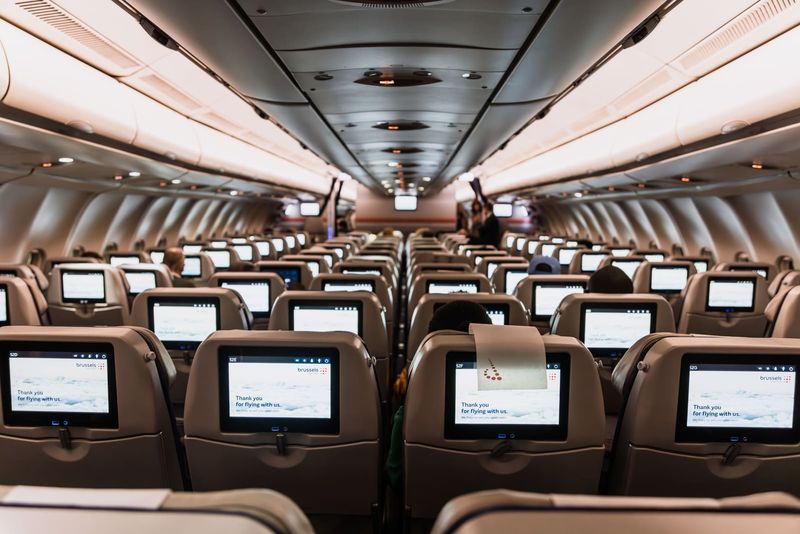
Brussels Airlines is expected to absorb the heaviest impact, with roughly 40 per cent of its scheduled flights disrupted. The carrier serves as Belgium's flag carrier and operates a substantial portion of its network through Brussels Airport, making it particularly vulnerable when ground handling capacity shrinks.
The airline stressed that it is not a party to the labour dispute and expressed frustration at the cascading effects of external industrial action. In a statement, Brussels Airlines noted that this marks the third time in 2026 that its operations have been seriously disrupted by strikes involving outside contractors. The carrier also flagged the financial toll, warning that repeated cancellations strain revenue and erode customer confidence.
Passengers holding tickets for affected flights are being contacted by Brussels Airlines with rebooking options. The airline has urged travellers to check their flight status online before heading to the airport, directing them to the "My Booking" section of its website for real-time updates.
Why Workers Are Walking Out
The strike at Alyzia is not an isolated grievance. It forms part of a broader wave of union-led protests scheduled for Friday across Belgium. Two major trade union federations are mobilising members to voice dissatisfaction with recent government policy.
The socialist ABVV-FGTB union is organising a national demonstration in Brussels, while the Christian ACV-CSC union plans to march to the headquarters of the parties that form Belgium's federal coalition government. Both unions argue that current policies place undue financial pressure on households without making sufficient progress in reducing the country's public deficit.
Union demands include changes to wage indexation mechanisms, adjustments to value-added tax rates, and reforms to working time regulations. The unions contend that workers are shouldering a disproportionate share of fiscal adjustment while public services and social protections face cuts.
The timing of the airport disruption underscores how labour unrest in one sector can ripple across others. Ground handlers are not striking over conditions specific to aviation; they are joining a political protest. Yet the consequences for travellers are immediate and tangible.
A Pattern of Instability
Friday's cancellations add to a troubling pattern for Brussels Airport. The facility has endured multiple labour-related disruptions in 2026, with strikes by ground handlers, security staff and air traffic controllers all contributing to flight cancellations and delays.
For airlines, the uncertainty complicates network planning. Carriers must build contingency into their schedules, hold spare aircraft in reserve, and manage passenger compensation claims when flights are scrapped. For Brussels Airlines, the repeated disruptions raise questions about the reliability of its home hub as a connecting point for European and intercontinental routes.
For passengers, the unpredictability is equally frustrating. Business travellers may miss meetings, holidaymakers lose prepaid accommodation, and families face the logistical headache of rebooking connecting flights. While airlines typically rebook passengers on the next available service, those rebookings can stretch across days when capacity is tight.
The disruption also highlights the vulnerability of airports that rely on a small number of ground handling firms. Alyzia serves several major carriers at Brussels Airport, meaning a single labour action can cascade across multiple airlines. Diversifying ground handling contracts or requiring minimum service levels during strikes are policy levers that some airports have explored, though both approaches carry their own trade-offs.
What Happens Next
The immediate focus for Brussels Airport and its airline partners is managing Friday's disruption with minimal passenger inconvenience. The airport has not announced plans to extend operating hours or add extra flights on Saturday to absorb displaced passengers, though airlines may individually add capacity if demand warrants.
Beyond the immediate operational response, the broader question is whether Belgium's labour relations climate will stabilise. The frequency of strikes in 2026 suggests deep-seated tensions between unions, employers and government over fiscal policy and income distribution. Until those tensions ease, airports and airlines operating in Belgium may continue to face periodic disruption.
For travellers planning trips through Brussels Airport in the coming months, the lesson is to build buffer time into itineraries and purchase travel insurance that covers cancellations due to strikes. Checking flight status the night before departure and again on the morning of travel has become standard practice in markets where labour unrest is common.
The disruption also serves as a reminder that air travel depends on a complex web of actors beyond airlines themselves. Ground handlers, air traffic controllers, customs officers and security screeners all play essential roles. When any one of those groups withdraws labour, the entire system can grind to a halt.