A Busy Day, but a Worrying Month
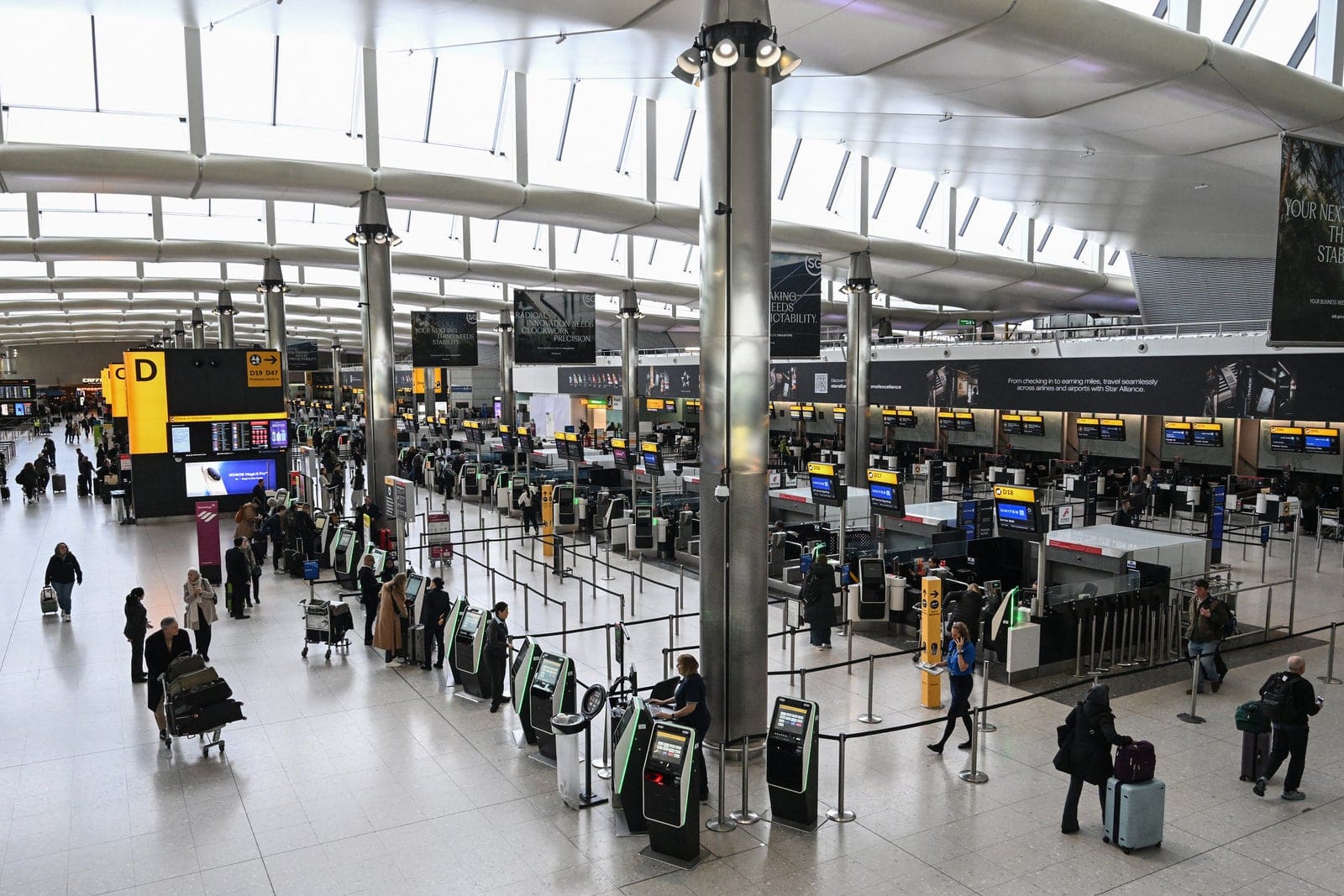
On July 19, London Heathrow welcomed 267,000 passengers, its highest single-day count this year. The surge coincided with the start of summer holidays for many schools across the UK, a familiar pattern for Europe's airports. Yet the broader picture tells a more complicated story.
According to Heathrow, 7.85 million passengers passed through its four terminals in July, a 1.5 percent drop from the same month in 2025. Italy and Spain topped the destination list, but routes to the Middle East took a hit, down 20.2 percent year-on-year as tensions between Iran and the United States rippled through the travel market.
That decline mattered not only for Heathrow's balance sheet but also for its status. In July, Istanbul airport overtook Heathrow as Europe's busiest hub, recording a 2.3 percent increase in traffic. Heathrow had held the crown for most years between 1996 and 2019, lost it during the pandemic, reclaimed it briefly in 2023, and now finds itself in second place again.
New Airlines, Old Constraints
Last month saw ITA Airways, Alaska Airlines, and Riyadh Air launch services at Heathrow, collectively carrying more than 136,000 passengers. Thomas Woldbye, the airport's chief executive, said summer was off to a "flying start" and emphasized plans to grow the route network.
But the airport operates its two runways near full capacity. Heathrow recorded 84.46 million passengers in 2025, and its owners argue that without a third runway, the UK risks falling further behind competitors. The proposed expansion would lift annual capacity to 150 million passengers.
In June, Transport Secretary Heidi Alexander opened a consultation on the revised national policy statement for the project, outlining conditions the expansion must meet. Former Chancellor Rachel Reeves, now removed from her post, had pledged to see construction begin during the current Parliament and finish by 2035.
Political Friction and Regional Pushback
Prime Minister Andy Burnham, who dismissed Reeves, has voiced concerns that the Heathrow project channels infrastructure investment toward London at the expense of the North. That tension reflects a wider debate about how the UK allocates capital and whether a third runway at Heathrow serves the country as a whole or deepens regional imbalance.
Heathrow's statement was blunt: "The case for expansion has never been clearer." The airport pointed to Istanbul's lead as evidence that delay carries a cost, not just in prestige but in trade, investment, and tourism links.
Yet the political environment remains uncertain. The consultation process will take months, and even if the policy statement is approved, the project faces legal challenges, environmental scrutiny, and local opposition. Burnham's skepticism adds another layer of complexity, especially if his government prioritizes infrastructure projects in Manchester, Leeds, or Birmingham.
What It Means for Travelers
For passengers, the immediate effect is less about expansion and more about capacity constraints. Heathrow's two runways handle flights from early morning until late at night, and peak-season delays are common. Airlines compete fiercely for slots, and ticket prices often reflect that scarcity.
If the third runway moves forward, travelers could see more routes, more frequency, and potentially more competitive fares. But that outcome is years away, and in the meantime, Istanbul, Paris Charles de Gaulle, and Frankfurt are adding capacity and attracting transfer traffic that might otherwise flow through London.
The Middle East traffic drop is another factor to watch. Geopolitical instability can shift passenger flows quickly, and if tensions persist, Heathrow's connectivity to Asia and Africa, which relies heavily on Gulf hubs, could weaken further.
Summer 2026 may have started strong for Heathrow, but the airport's long-term position depends on decisions that extend well beyond the holiday season. Whether expansion happens, and when, will shape not only London's aviation landscape but also how the UK connects to the rest of the world.