A Response to Record Heat
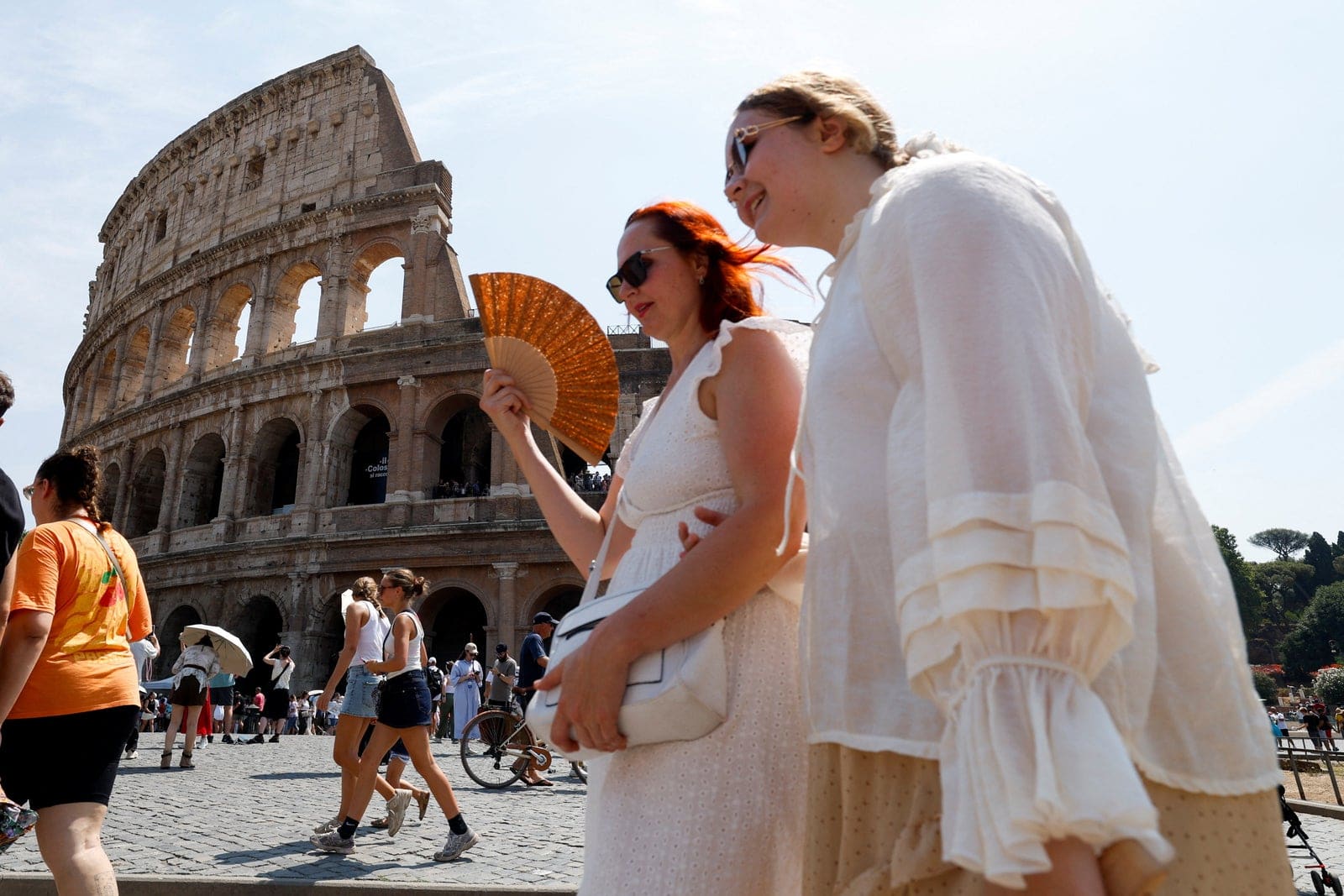
Italy's cultural landmarks are staying open later this August, a practical answer to the extreme temperatures that have gripped the country for weeks. The Italian ministries of culture and tourism announced the initiative as the nation's health ministry placed all major cities on the highest heat alert, with forecasts showing temperatures climbing close to 40°C.
The extended hours target three major sites: the Colosseum and Pantheon in Rome, and Milan's Sforza Castle. Each will remain open up to four hours beyond regular closing times throughout the month, giving visitors a chance to tour when the sun sits lower and the air cools.
The move reflects a broader conversation about how heritage sites adapt to climate pressures. Europe has seen successive heatwaves this summer, and tourism-dependent regions are weighing visitor safety against economic realities. Italy, which draws tens of millions of tourists annually, is testing whether operational flexibility can ease both.
The Details
At the Colosseum, Friday and Saturday evenings now run until 11:30 p.m., adding nearly four hours to the typical schedule. The Pantheon opens its doors every evening except Thursday from 7 p.m. to 11 p.m. Sforza Castle, a medieval fortress housing works by Michelangelo and Leonardo da Vinci, extends its hours by two, closing at 7:30 p.m.
Evening visitors to Sforza Castle also benefit from reduced admission: tickets to see Michelangelo's Rondanini Pietà, his final sculpture, cost just over two pounds during the extended window. A free exhibition tracing the history of drawing from Leonardo to Keith Haring, displayed in the castle's graphic galleries, follows the same expanded schedule.
According to tourism minister Gianmarco Mazzi, the plan emerged from discussions with tour guides and industry professionals, an attempt to align policy with the needs of both travelers and residents navigating the heat.
A Different Kind of Visit
Culture minister Alessandro Giuli framed the evening openings as more than logistical convenience. Visiting the Colosseum or Pantheon after dark, he noted, offers a different emotional register, a chance to experience ancient architecture under floodlights rather than midday glare.
There is something to that. The Pantheon's oculus, open to the sky, takes on a different character as daylight fades. The Colosseum's arches, stripped of the crowds that pack the site by noon, become easier to read as structure rather than backdrop.
Whether the extended hours will meaningfully reduce daytime congestion remains to be seen. Italy's most famous sites already contend with overtourism, and adding evening slots may simply expand capacity rather than redistribute it. Still, for visitors willing to adjust their schedules, the initiative provides a tangible alternative to midday heat exhaustion.
The Broader Context
Italy is not alone in grappling with how extreme heat reshapes tourism. Greece has discussed limiting access to archaeological sites during peak afternoon hours. Spain's cities have seen a rise in evening programming at museums and galleries. The pattern suggests a slow, uneven shift in how destinations manage visitor flow when temperature becomes a health concern.
The question is whether these adjustments are temporary or signal a longer-term recalibration. If heatwaves become more frequent and intense, as climate projections suggest, extended hours and seasonal flexibility may become standard rather than emergency measures.
For now, the Italian initiative is limited to August, a trial run during the country's hottest stretch. If it succeeds in easing pressure on both visitors and infrastructure, other sites across the Mediterranean may follow. If it simply adds complexity without solving the underlying problem, the experiment will fade.
What It Means for Travelers
Tourists planning trips to Rome or Milan this month should consider the evening option seriously. Beyond the comfort of cooler air, the reduced crowds and softer light offer a different way to engage with spaces that can feel overwhelming in full sun and peak traffic.
The discount at Sforza Castle, modest as it is, underscores the incentive structure. Italy wants people to shift their patterns, and pricing is one lever. Whether that proves enough to change behavior on a meaningful scale is another question.
What is clear is that the conversation around tourism and climate is moving from abstract to operational. Cities and cultural institutions are making small, concrete adjustments, testing what works. Italy's extended hours are one data point in a much larger, ongoing experiment.