A New Competitor Emerges
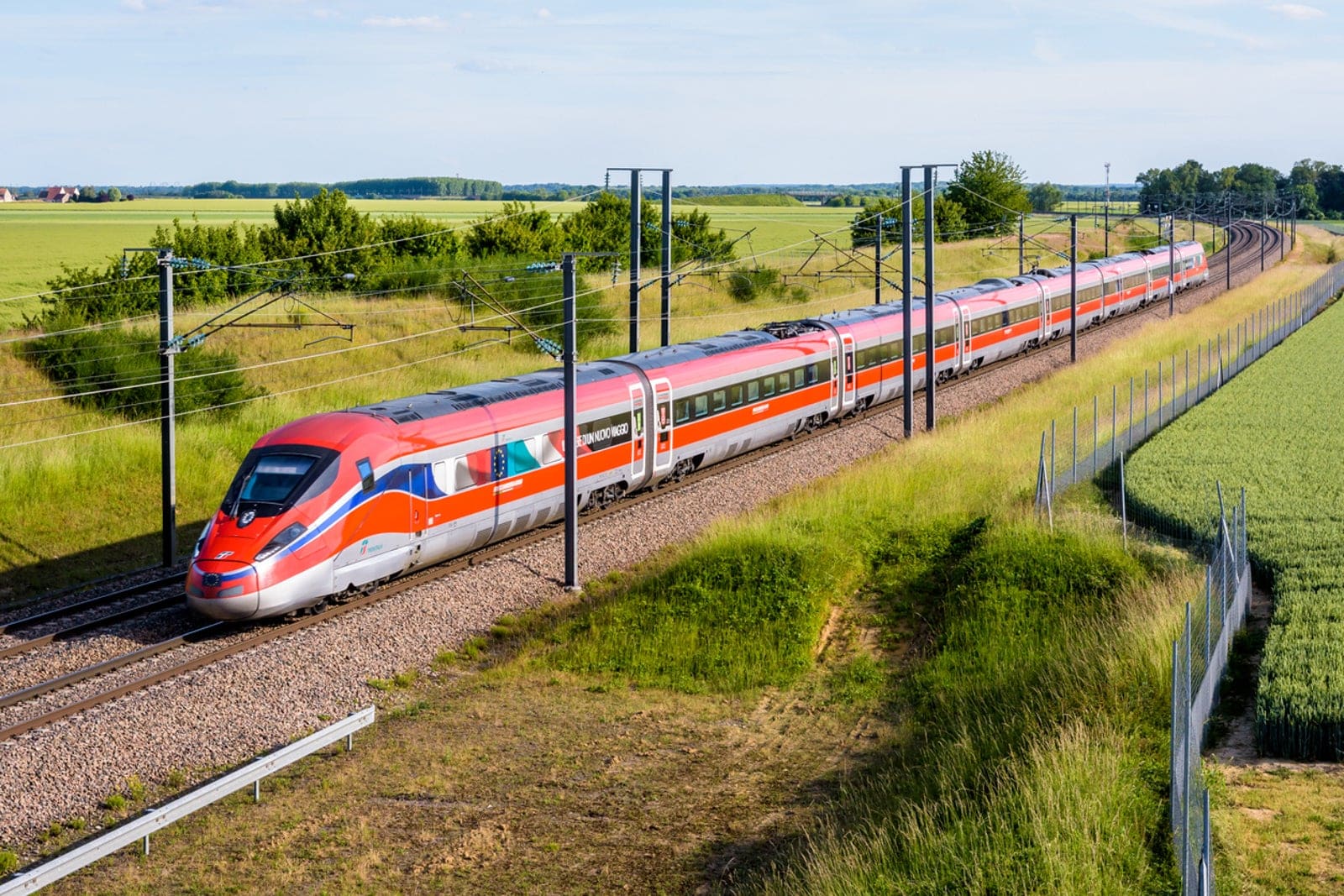
For thirty years, Eurostar has had the Channel Tunnel rail market to itself. That could change in 2029, when Italy's state-owned railway operator plans to launch competing London-Paris services with a fleet of nineteen new high-speed trains.
FS Italiane Group announced the order through its subsidiary Trenitalia France, which has contracted Hitachi Rail to build the trains. The €2 billion investment will also fund expanded service on French domestic routes connecting Paris to Lyon, Marseille, and Milan, with plans to increase frequency and improve service quality across the network.
The move signals growing interest in the cross-Channel market, which currently operates at only half its potential capacity. Several other companies have explored entry, including Virgin Trains, London startup Gemini Trains, and Spanish startup Evolyn, though none has yet committed the infrastructure investment Trenitalia France is now making.
Solving the Depot Problem
One of the biggest hurdles facing Eurostar rivals has been where to store and maintain trains. The company has built its strategy around a planned maintenance facility at Maisons-Alfort Pompadour, just outside Paris. This allows most of the fleet to remain on the French side of the tunnel, sidestepping the need for a large British depot.
Only one train will need to stay overnight in London to cover the morning departure. That's a workable compromise, and one that removes a significant barrier to market entry.
The facility is a concrete sign that Trenitalia France is serious about the route. Building dedicated infrastructure takes time and capital, and it shows the operator is thinking beyond paper plans.
What It Means for Travelers
Competition on the London-Paris route could bring lower fares, more departure times, and service improvements as operators try to differentiate themselves. The tunnel's current 50 percent utilization rate suggests there's room for another player without overcrowding the infrastructure.
Whether Trenitalia France can deliver a meaningfully different experience remains to be seen. The company's domestic high-speed services in Italy have a reputation for competitive pricing, which could translate to the cross-Channel market if it applies a similar approach.
Gianpiero Strisciuglio, CEO of FS Italiane Group, described the order as part of a broader vision for what the company calls a "European Metro," an integrated high-speed network linking major cities across the continent. The London connection would represent the westernmost anchor of that network.
Timeline and Uncertainty
The 2029 target gives Trenitalia France three years to finalize regulatory approvals, complete the maintenance facility, take delivery of the trains, and train staff. That's an ambitious schedule, and delays are common in cross-border rail projects.
Still, the order itself is a milestone. Previous challengers to Eurostar have announced intentions without following through on the necessary investments. Trenitalia France has now committed substantial capital, which makes the prospect of competition more tangible than it has been at any point since the tunnel opened in 1994.
If the service launches as planned, it will test whether the market can support two operators, and whether Eurostar's pricing and service standards hold up under competitive pressure. For travelers, that's a scenario worth watching.