A National Trail Takes Shape
Italy now has a new cross-country pilgrimage route. The Cammino di Francesco, or Way of Light, stretches 1,546 kilometers across six regions in central Italy, connecting Franciscan landmarks through existing trails. The Italian Ministry of Tourism introduced the route in late July, timing the launch with the 800th anniversary of St Francis of Assisi's death in 1226.
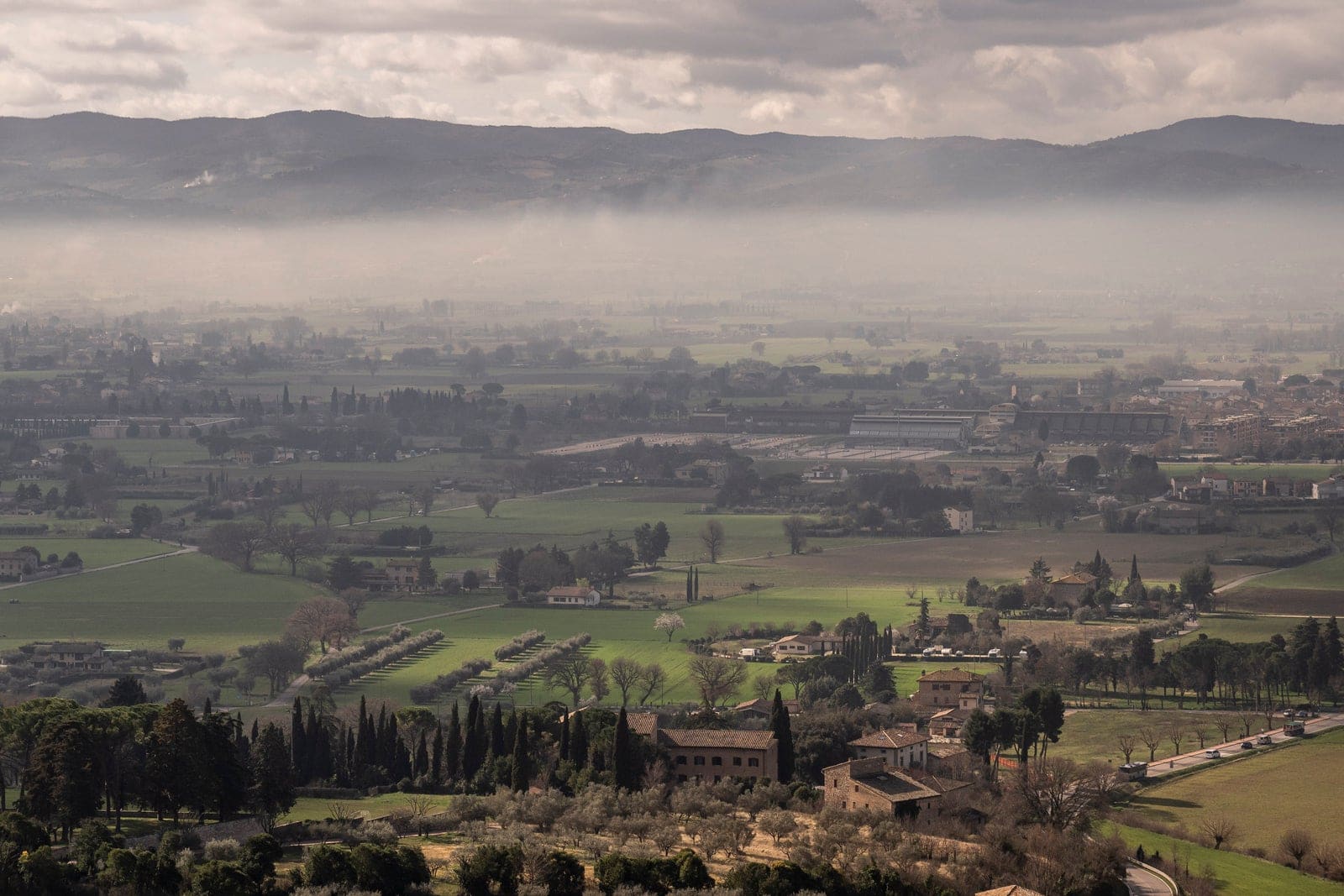
The trail pulls together paths that have existed independently for years. Hikers start in Abruzzo and make their way to Assisi in Umbria, passing through Emilia-Romagna, Lazio, Marche, and Tuscany along the way. Multiple branches converge on Assisi, some routing through Florence and La Verna, others following sections of the older Way of St Francis that previously linked Florence and Rome.
What Walkers Will Find
Twenty-two Franciscan sites sit along the route, according to the ministry. These include the Sanctuary of the Madonna del Sasso, the Hermitage of the Carceri, and the Basilica of Santa Maria degli Angeli. The trail design doesn't break new ground so much as organize scattered paths into a single named system, a strategy that's worked elsewhere in Europe to raise the profile of regional walking networks.
The timing matters. Italy is in the middle of a year-long series of events marking the 800th anniversary of the saint's death. Pope Francis is scheduled to visit Assisi in early August for a gathering with young people, and the country recently saw its nativity scene tradition recognized as a UNESCO World Heritage element. The new route fits into that broader cultural moment.
The Franciscan Angle
St Francis of Assisi founded the Franciscan order in the early 13th century and became one of the most widely known figures in Catholic history. He's remembered for his emphasis on poverty, care for animals, and a stripped-down approach to religious life. His influence spread across Europe, and the places he lived and traveled have drawn pilgrims for centuries.
The Italian government describes the Cammino di Francesco as a synthesis of walks inspired by the saint's movements. That framing positions the route as both a physical trail and a historical narrative, linking geography to the spread of Franciscan values. Whether that resonates with modern walkers depends on their reasons for going. Some will come for the religious dimension, others for the landscape and small towns, still others for the appeal of a long-distance trek through a region that hasn't been as heavily marketed as Spain's Camino de Santiago.
How It Compares
Italy has been working to expand its network of long-distance trails. The country already has the Via Francigena, which runs from the Alps to Rome and sees growing numbers of international walkers each year. The Cammino di Francesco covers different terrain and offers a different focus, but it enters a competitive field. Spain's Camino de Santiago remains the dominant European pilgrimage route, drawing hundreds of thousands of walkers annually, and newer trails across the continent are vying for attention.
The Italian Ministry of Tourism has been vocal about the economic potential of pilgrimage tourism. Minister Gianmarco Mazzi described the Cammino di Francesco as enriching Italy with a major spiritual itinerary at a time when the country is celebrating key milestones in Franciscan history. The route's success will likely depend on infrastructure, how well the trail is marked and maintained, and whether local businesses along the way can support the influx of walkers.
Practical Considerations
At 1,546 kilometers, the full route would take most walkers several weeks to complete. The trail crosses varied terrain, from Apennine foothills to river valleys, and passes through both rural stretches and historic towns. Because it stitches together existing paths, conditions and signage quality may vary from section to section.
Italy's pilgrimage routes have been gaining traction in recent years, driven partly by the same appetite for slow travel that's boosted long-distance walking across Europe. The Cammino di Francesco enters the scene at a moment when walkers are looking beyond the familiar routes, though it remains to be seen how many will commit to the full distance versus sampling shorter sections.
The route's launch aligns with a broader push to position Italy as a destination for cultural and spiritual tourism, not just art cities and coastline. Whether the Cammino di Francesco becomes a fixture on the European walking calendar or remains a regional draw will depend on how effectively the country markets it and whether the experience lives up to the ambition.