A Homecoming Season
When Ted Lasso returns this week for its fourth season on Apple TV+, the fictional football coach trades English pitches for familiar ground. Kansas City, Missouri takes center stage in the new episodes, bringing Jason Sudeikis's character back to the actor's own hometown. The shift represents more than just a change of scenery. It signals a different kind of story, one rooted in American soil rather than the fish-out-of-water premise that launched the series.
The show has been filming across multiple Kansas City locations over recent months, and several sites are already drawing interest from fans planning visits. Unlike purpose-built sets or generic backdrops, these are working neighborhoods, restaurants, and cultural institutions that existed long before cameras arrived.
The Country Club Plaza
Fifteen blocks of Spanish-influenced architecture make up the Country Club Plaza, Kansas City's historic downtown retail district. Built in the 1920s, the area features dozens of fountains, upscale shops, and restaurant patios that spill onto brick walkways. Filming took place here with Sudeikis wearing a Kansas City Current jacket, the branding visible in behind-the-scenes photos that circulated online.
The Current, a National Women's Soccer League team, became the first in the league to sell out every home game. Season four reportedly follows Ted as he coaches a women's team, though official plot details remain scarce. The Plaza itself draws locals and tourists year-round, its layout designed for strolling rather than driving. Parking can be tight on weekends, but the district is walkable once you arrive.
Gates Bar-B-Q on Main Street
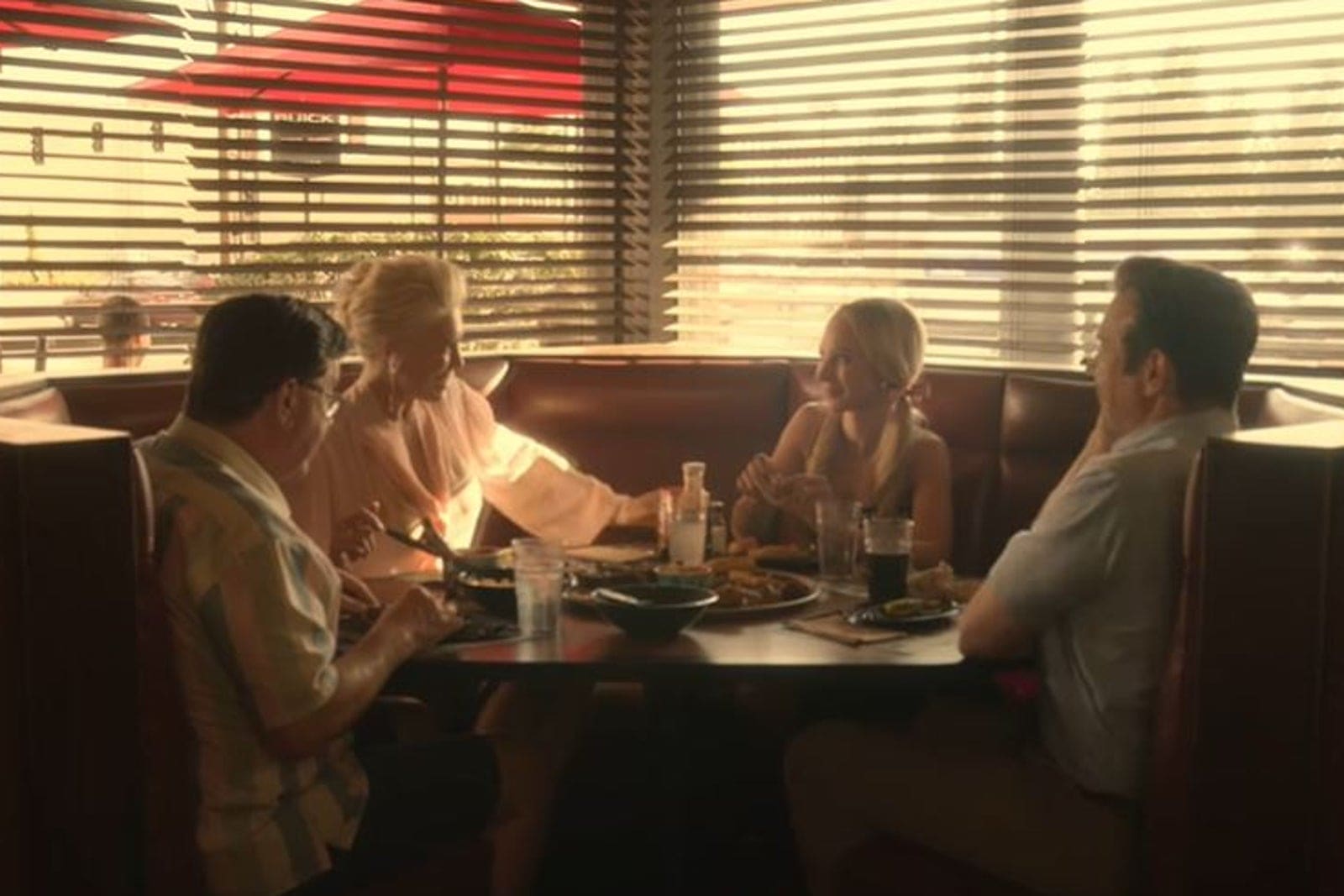
Kansas City claims more than 100 barbecue restaurants, but Gates Bar-B-Q holds particular sway. The chain operates five locations across the metro area, and the Main Street branch landed a scene in the new season. Apple TV+ shared a teaser clip filmed inside the restaurant, where the greeting "Hi, may I help you?" gets shouted at every customer who walks through the door. It is a tradition that surprises first-timers.
The menu centers on burnt ends, a Kansas City specialty made from the fatty point of the brisket. Cooked low and slow until the edges caramelize, the meat arrives chopped and sauced. Gates has been serving its signature tomato-based sauce since 1946, and bottles line grocery store shelves across the region. The Main Street location sits in a no-frills building, the kind of place where you order at the counter and eat on plastic trays.
CPKC Stadium
Hannah Waddingham, who plays Rebecca Welton in the series, joined Sudeikis for filming at CPKC Stadium, home of the Kansas City Current. The venue opened in March 2024 as the world's first stadium built exclusively for a professional women's soccer team, financed privately rather than through public funds. Its location along the Missouri River offers views of the water from the stands, and the design prioritizes sightlines over luxury boxes.
The 11,500-seat stadium represents a shift in how women's sports infrastructure gets developed. Most professional women's teams share facilities with men's teams or play in oversized venues that feel empty. CPKC was designed for the Current's attendance figures, creating an atmosphere that feels full rather than sparse. Tours run on non-game days, though availability depends on the team's schedule.
18th and Vine District
A day of filming took place at the Negro Leagues Baseball Museum, located in Kansas City's historic jazz district. The museum occupies a neighborhood that once served as the cultural and economic heart of the city's African American community. By the 1930s and 1940s, 18th and Vine rivaled Harlem as a center of Black culture, producing jazz legends and hosting Negro Leagues games when segregation barred Black players from Major League Baseball.
The museum houses photographs, uniforms, and artifacts that document the leagues' history from 1920 to 1960. Exhibits trace the careers of players like Buck O'Neil and Satchel Paige, and explain how the integration of Major League Baseball led to the Negro Leagues' decline. The American Jazz Museum sits in the same building, and combination tickets cover both institutions. The district remains a work in progress, with vacant lots still visible between renovated buildings, but it offers a perspective on Kansas City that tourist brochures often skip.
What This Means for Kansas City Tourism
Filming a major streaming series in a mid-sized American city creates visibility that conventional marketing cannot match. Kansas City has worked to position itself as more than a flyover destination, investing in cultural districts, a revitalized downtown, and professional sports. A Ted Lasso season set in the city amplifies those efforts, particularly if the show treats the locations as characters rather than backdrops.
The challenge lies in converting curiosity into actual visits. Kansas City lacks the immediate name recognition of coastal cities, and it competes with destinations that offer beaches, mountains, or theme parks. What it does offer is accessibility, lower costs than major metros, and a food scene built on barbecue, craft beer, and a growing number of chef-driven restaurants. The city sits roughly in the center of the country, a three-hour flight from either coast.
Whether Ted Lasso fans will plan trips around filming locations remains to be seen. The show's first three seasons inspired pilgrimage-style visits to London pubs and Richmond's stadium. Kansas City presents a different proposition, one that asks viewers to engage with a place that does not fit neatly into existing travel narratives. The locations are real, the barbecue is legitimate, and the history runs deeper than a television show. That might be enough.