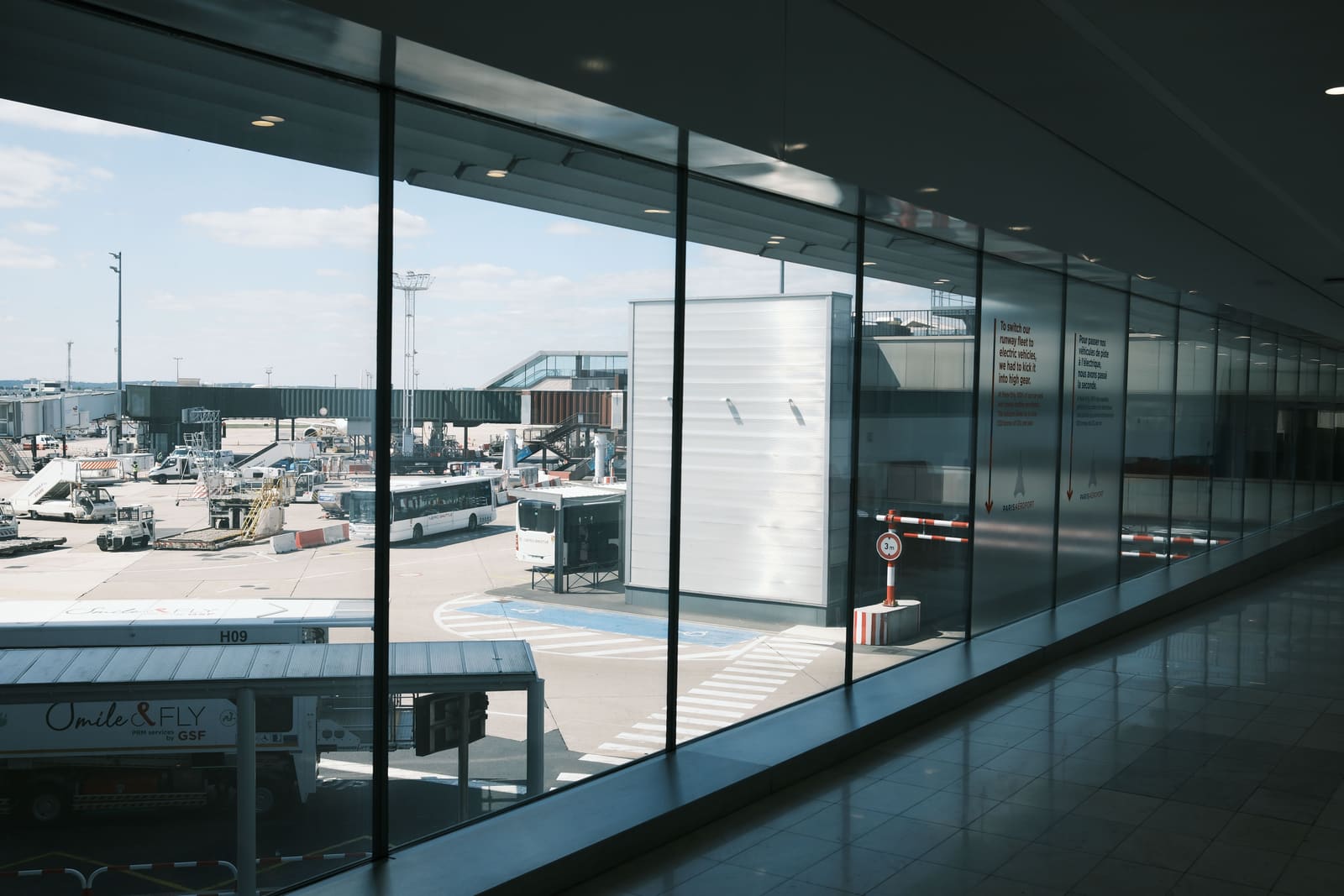
Workers Set to Walk Out
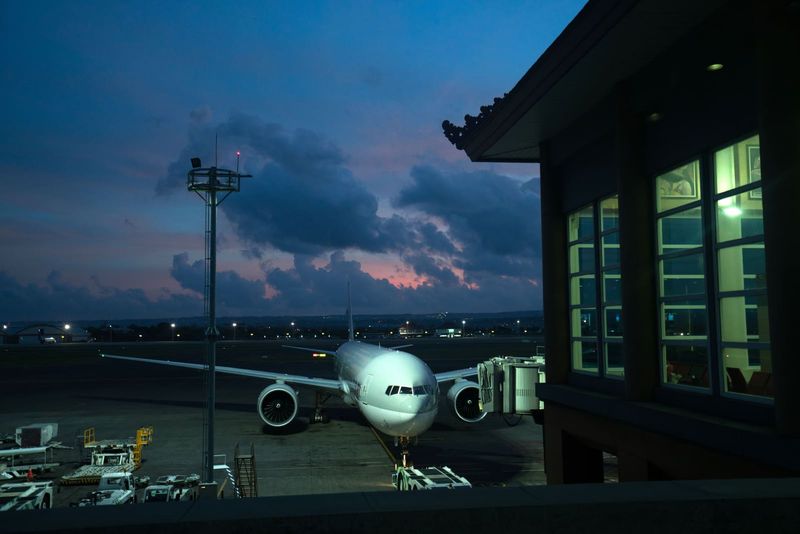
Leeds Bradford Airport is bracing for a two-day strike starting at 3:00 am on 16 October and running through 6:00 pm on 18 October 2026. Around 130 staff members represented by Unite will withdraw their labour, spanning roles in air traffic control, security, passport control, and cleaning services.
The union has warned that the walkout will effectively shut down the airport. Air traffic controllers are essential for any aircraft movement, and without security or passport staff, passengers cannot clear departure or arrival processes. The absence of terminal support workers adds another layer of complication.
The strike stems from a pay dispute that has been running for ten months, since a four-year pay agreement expired last December. Leeds Bradford handled 4.45 million passengers in its last financial year, but according to Unite, wages at the airport have fallen behind comparable facilities. The union points to Newcastle Airport, which processed 5.5 million passengers in the same period, as an example where similar roles command higher pay.
Profitability Versus Pay
Unite has highlighted the airport's financial performance to support its case. Leeds Bradford reported a turnover of £61.5 million for the year ending 31 March 2025, up 14 per cent from the previous year. Sharon Graham, Unite's general secretary, argued that staff should not earn less than colleagues doing identical work elsewhere.
The airport, however, has defended its position. Management described its pay offer as fair and responsible, noting that it exceeds current inflation rates by a significant margin. In a statement, the airport said profits have been reinvested into infrastructure and operations for years, and it criticised the decision to strike as an inappropriate way to settle outstanding issues.
Conflicting Messages Leave Passengers Guessing
The two sides have issued starkly different predictions about what will happen during the strike. Unite insists operations will be paralysed. The airport authority, by contrast, has promised to minimise disruption and maintain near-normal service levels.
That contradiction leaves travellers in an awkward spot. Airlines and the airport have between seven and 14 days under UK regulations to notify passengers of cancellations. Those affected are entitled to a refund or an alternative flight, and in some cases compensation up to £350, depending on how much notice is given and the timing of any replacement travel.
For now, passengers booked to fly through Leeds Bradford in mid-October face a waiting game. Checking the terms of tickets, reviewing travel insurance, and staying in touch with carriers are the most practical steps available while the dispute plays out.
A Broader Pattern
The Leeds Bradford strike is not an isolated event. Labour action has become more common across UK transport hubs in recent years, often tied to disputes over pay keeping pace with the cost of living. Regional airports, which operate on thinner margins than major international gateways, can be particularly vulnerable to disruption when key staff walk out.
For Leeds Bradford, the timing is awkward. The airport has been growing steadily, and the increase in passenger numbers reflects both rising demand for regional connectivity and efforts to attract more routes. A prolonged or repeated strike could erode that momentum, especially if travellers start to view the airport as unreliable.
The outcome of this dispute may also set a precedent. If Unite secures a pay rise that narrows the gap with other airports, similar claims could follow elsewhere. If management holds firm, the risk is further strikes and a longer standoff.
Whether the two days in mid-October will be a one-off disruption or the start of a longer campaign remains to be seen.