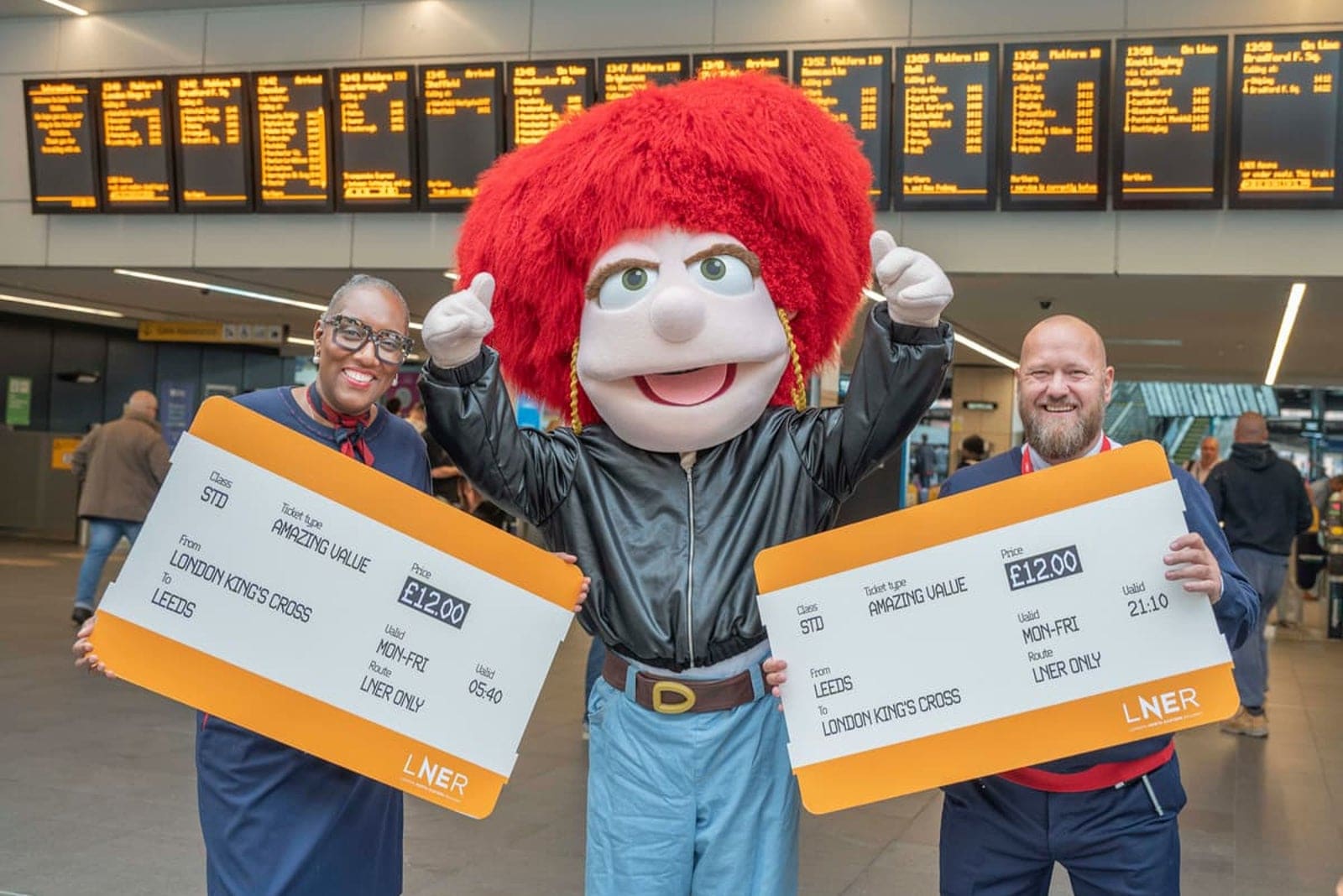
A Price Point That Targets Coaches
LNER has rolled out £12 tickets on select trains between London King's Cross and Leeds, aiming squarely at travellers who might otherwise take a coach. The fares apply to the 5.40am departure from London and the 9.10pm return from Leeds, Monday through Friday. Railcard holders can bring the price down to £8.
According to LNER, these are the cheapest fares between the two cities in almost 20 years. The journey takes around two hours and 13 minutes, roughly half the time of a National Express coach, which ranges from three hours and 50 minutes to four hours and 20 minutes.
The operator has framed the trial as a direct challenge to coach operators, betting that the time saving will appeal even to price-sensitive travellers. David Flesher, LNER's commercial director, said the fares offer "a speedier alternative at an incredible price."
The Trade-Offs
The £12 fare comes with constraints. It is available only on two specific services, both at the edges of the day. The early departure means a pre-dawn start for anyone travelling from London, while the late return limits how much of an evening you can spend in Leeds before heading back.
LNER has advised passengers to book early, a common signal that inventory at this price point is limited. The operator has not disclosed how many seats per train are allocated to the £12 tier, nor how long the trial will run.
The pricing structure reflects a broader shift among UK rail operators, many of whom are testing lower fares on off-peak services to fill capacity. The strategy works when demand is elastic, but it also risks training passengers to avoid standard fares.
Context on the Route
The London-Leeds corridor is one of the busiest on the East Coast Main Line, serving business travellers, students, and leisure passengers. Coach operators have long held a share of the market by undercutting rail fares, even as journey times stretch past four hours.
LNER's move is part of a wider effort to modernise and compete. Earlier this year, the operator introduced new intercity trains on the London King's Cross to Edinburgh route, replacing a fleet nearly 40 years old. The Class 897 trains are the first to carry Great British Railways branding, a signal of the shift towards nationalisation under a unified body that will eventually replace most private operators.
The new trains feature customer-suggested improvements, though LNER has not detailed whether these include features that might ease early-morning or late-night travel, such as enhanced lighting or luggage space.
What It Means for Travellers
For passengers willing to adjust their schedules, the £12 fare offers a clear saving. A standard advance ticket on the same route typically costs £30 to £50, depending on time and demand. The coach alternative, while slower, often sits around £10 to £15, making LNER's new fare competitive on price as well as time.
The trial also raises questions about how sustainable ultra-low fares are for operators, particularly as the UK rail network transitions to public ownership. If the £12 tickets prove popular, other operators may follow. If they cannibalise revenue from higher-priced services without drawing new passengers, the experiment may not last.
LNER has suggested that arrivals in Leeds pair well with Beryl Bikes and e-scooters available at the station, positioning the journey as part of a broader sustainable transport chain. Whether that pitch resonates will depend on how many Londoners are willing to set an alarm for 5am.