The Last Flight
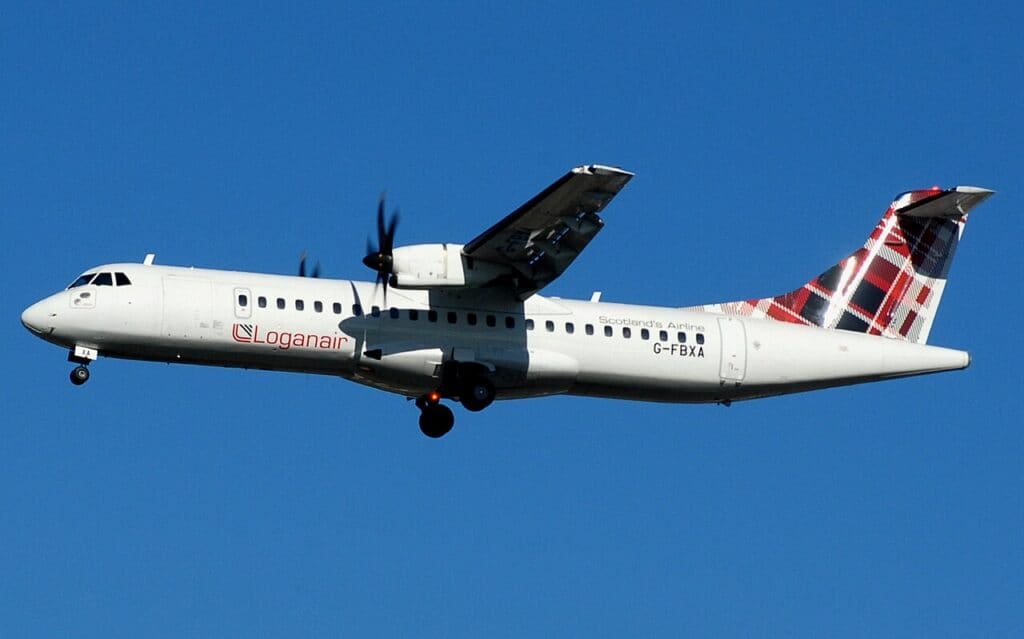
On 23 October, the final Loganair plane will leave Dundee Airport. After that, the Scottish city will have no scheduled commercial passenger service for the first time in decades. The carrier announced it would shut its Dundee base entirely, ending not just the London Heathrow route but also connections to Orkney and Shetland.
Loganair cited financial viability in its decision. The Heathrow service has run under a Public Service Obligation since 2014, propped up by local council and government funding. That support was not enough to make the route sustainable. After a review, the airline concluded there was no path forward, even after exploring alternative London airports earlier this year.
The move affects roughly sixteen jobs tied to the base. Loganair said it would help staff find roles elsewhere in its network where possible. Highlands and Islands Airports Limited, which runs Dundee Airport, has begun discussing reduced operating hours with its own employees. The British Airline Pilots Association moved quickly to engage with the company on behalf of affected members.
What the City Loses
Dundee's air links have never been extensive, but they mattered. The Heathrow route offered a direct line to global connections. Flights to Kirkwall and Sumburgh tied the city to Scotland's island communities, supporting business travel, medical appointments, and family visits. Once Loganair departs, those ties vanish.
The closure leaves Dundee Airport reliant on private aviation and occasional charter traffic. That is a sharp comedown for infrastructure built to serve a regional city. First Minister John Swinney said the Scottish Government remains committed to keeping the airport open, though he acknowledged tight public finances. Local leaders are now scrambling to identify funding partners and explore options for restoring service.
The Broader Picture
Loganair's retreat is part of a wider reshaping of its network. The airline is also closing its Southampton base around the same time. Both decisions reflect the pressures on regional carriers: rising fuel and labour costs, thin margins on short routes, and the difficulty of competing with road and rail alternatives where they exist.
Dundee is not unique in facing this challenge. Smaller airports across the UK and Europe have watched service dwindle as airlines consolidate around larger hubs. Public Service Obligations can keep routes alive for a while, but they are not indefinite solutions. When the subsidy ends or proves insufficient, carriers walk away.
The question now is whether Dundee can attract a replacement operator or whether the airport will drift into a holding pattern, open but dormant. Some regional airports have managed comebacks after losing their anchor carrier, often with help from local government or by courting low-cost airlines. Others have not.
What Happens Next
Passengers holding tickets for travel after 23 October will be contacted directly by Loganair. The airline has committed to refunds or assistance with alternative arrangements, though road and rail journeys to London or onward flights from Edinburgh or Glasgow will add hours to many trips.
For island residents who relied on the Dundee connection, the loss is more acute. Orkney and Shetland are now one link further removed from central Scotland. The routes were never high-volume, but they served a purpose that is hard to replace with ferries or indirect flights.
Dundee's business community is watching closely. Air connectivity is often cited as a factor in investment decisions, and the loss of scheduled service could make the city less attractive to companies weighing where to locate or expand. Tourism may also take a hit, though Dundee has never been a major destination for leisure travellers arriving by air.
A Shift, Not a Surprise
Loganair's May announcement that it would end the Heathrow route was the first signal. At that point, the airline still talked about keeping the base and exploring other London airports. By August, those plans had evaporated. The full base closure followed, suggesting the financial picture darkened faster than expected.
The timing is awkward. Dundee has invested in urban regeneration, with the V&A museum and waterfront development intended to raise the city's profile. Losing air service undercuts some of that effort, making it harder for visitors and business travellers to reach the city quickly.
Regional aviation in the UK has always been fragile. Routes that work in theory often fail in practice because demand is seasonal, fares are high, or travellers opt for cheaper, slower alternatives. Dundee's experience is a reminder that connectivity cannot be taken for granted, especially in places that sit between major hubs.
The final flights in October will close a chapter. What comes next depends on whether government, airport operators, and potential carriers can find a formula that works better than the one that just failed.