First Flight Takes Off This Month
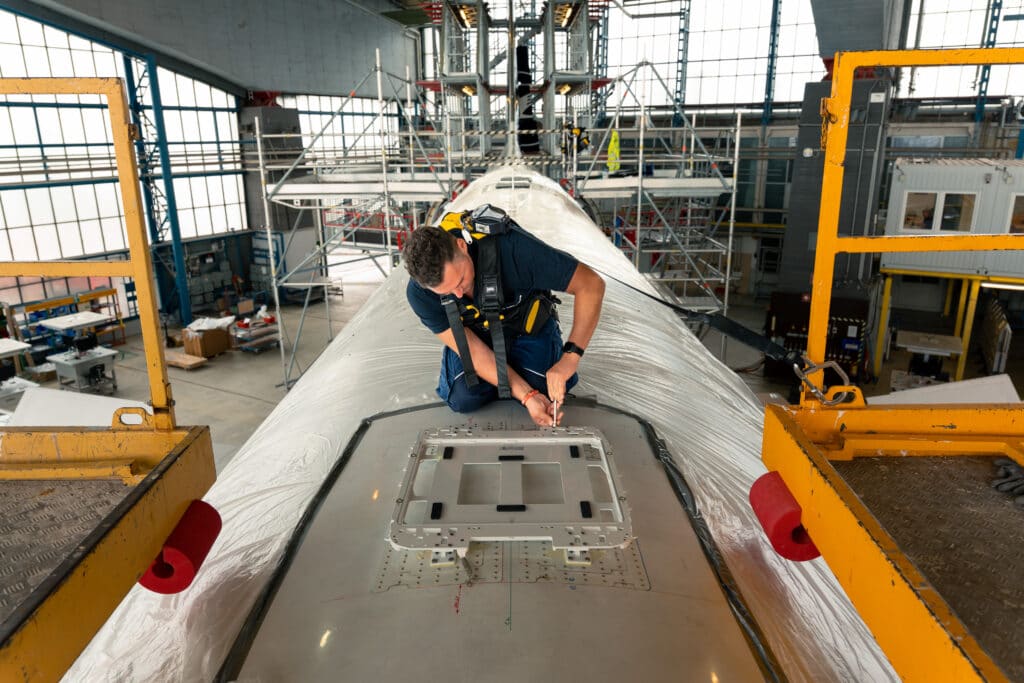
An Airbus A320neo will become the first Lufthansa Group aircraft to fly with Starlink internet on 19 August, though the airline has not disclosed which route will operate the inaugural service. The launch follows a partnership announcement made seven months earlier, and begins a deployment that will stretch to 2029.
The rollout will eventually cover Lufthansa, SWISS, Austrian Airlines, Brussels Airlines, ITA Airways, Edelweiss, Discover Airlines, Air Dolomiti, Lufthansa City Airlines, and Eurowings. Once complete, Lufthansa Group will be the largest airline group in Europe operating Starlink across its fleet, according to the company.
The timing puts Lufthansa Group several months behind some European competitors. Latvian carrier airBaltic introduced Starlink commercially in February 2025, while SAS and British Airways both began flying with the technology in March 2026. But the scale of Lufthansa's project, covering 850 aircraft across ten airlines, sets it apart.
Faster Than Home Internet, But With Cabin Rules
Starlink relies on a constellation of satellites in low Earth orbit to deliver connectivity with lower latency than traditional geostationary systems. Lufthansa Group says the bandwidth available onboard will often exceed what passengers have at home or in the office, enabling video streaming, cloud-based work, and real-time document collaboration at cruising altitude.
The service will be free for anyone registered with Miles & More or Lufthansa Group's Travel ID, with no distinction between economy and premium cabins. Mastercard will sponsor the service, continuing its partnership with the group's existing FlyNet product.
Dieter Vranckx, Chief Commercial Officer of Lufthansa Group, described connectivity as now sitting alongside seating and catering in the airline's definition of a premium experience. That shift reflects a broader rethinking of what passengers expect as standard, rather than as an optional extra.
But the airline has set boundaries. Voice and video calls will not be permitted, though passengers can join online meetings passively if they use headphones. Live streaming from the aircraft is also banned. Lufthansa Group says the rules emerged from passenger surveys and are designed to keep the cabin environment quiet.
A Competitive Field
The Starlink rollout is unfolding as high-speed internet becomes a competitive priority across European aviation. British Airways plans to equip more than 300 aircraft with the technology, while the wider International Airlines Group is deploying it across Iberia, Aer Lingus, Vueling, and LEVEL. Virgin Atlantic and Air France are also adopting Starlink.
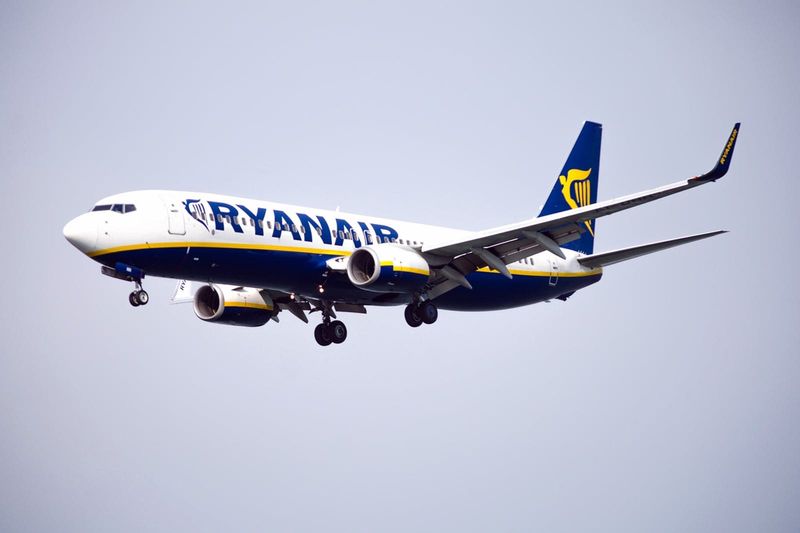
Wizz Air announced in June that it will begin its own Starlink rollout in 2027, bringing the technology into the low-cost segment. Ryanair and easyJet have so far held back, apparently weighing the economics of installing satellite connectivity across large fleets.
Not every carrier is choosing Starlink. KLM opted to work with Viasat instead, and began offering free Wi-Fi on European flights in January 2026. The divergence in technology choices suggests airlines are still evaluating different paths to the same goal.
The rapid adoption of high-speed internet also raises questions about cabin etiquette. Passengers on British Airways flights demonstrated they could make video calls using the connection, prompting debate about how airlines should balance connectivity with the shared space of an aircraft cabin.
What It Means for Passengers
Free internet is shifting from a perk to a baseline expectation. Airlines are no longer competing just on whether they offer connectivity, but on speed, coverage, and how well digital services integrate across the journey.
For Lufthansa Group, the first A320neo taking off with Starlink this month represents a small fraction of the planned deployment. But it marks the start of a project that will eventually extend high-speed connectivity across nearly every airline and cabin class in the group.
The three-year timeline reflects the operational complexity of retrofitting hundreds of aircraft while keeping them in service. As installations proceed, passengers will gradually see the service appear on more routes, until high-speed internet becomes as routine as seatback screens once were.
Whether other European carriers follow Lufthansa's scale, or whether they opt for different technologies like KLM, the direction is clear. Connectivity is no longer optional. It is becoming infrastructure.