Ash Cloud Closes Sicily's Busiest Gateway
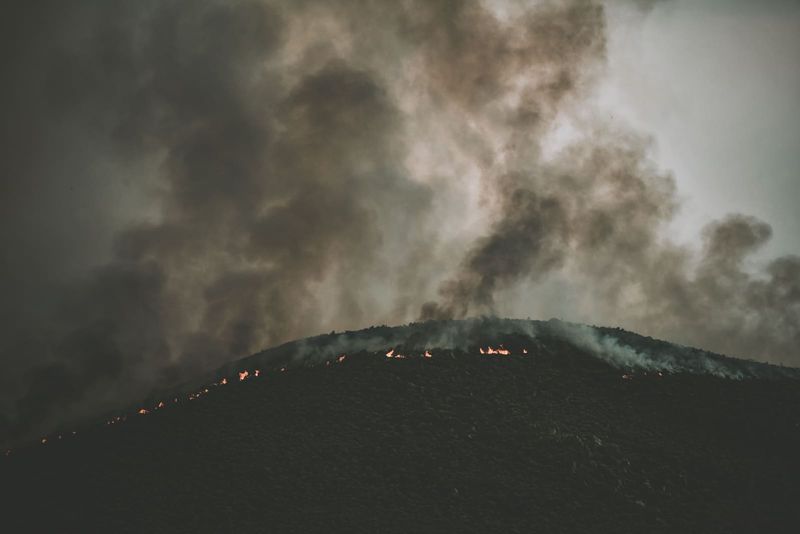
Catania Airport on Sicily's eastern coast suspended arrivals and departures on 12 August after volcanic ash from Mount Etna drifted across flight paths. The airport announced closure of its B3 sector until 6:00 PM local time, grounding services to Amsterdam, Paris, and New York JFK. Only 10 percent of scheduled flights operated, according to flight tracking data.
The airport urged passengers to confirm flight status with airlines before traveling. Catania handles the majority of Sicily's air traffic and ranks as Italy's fifth-busiest airport by passenger volume.
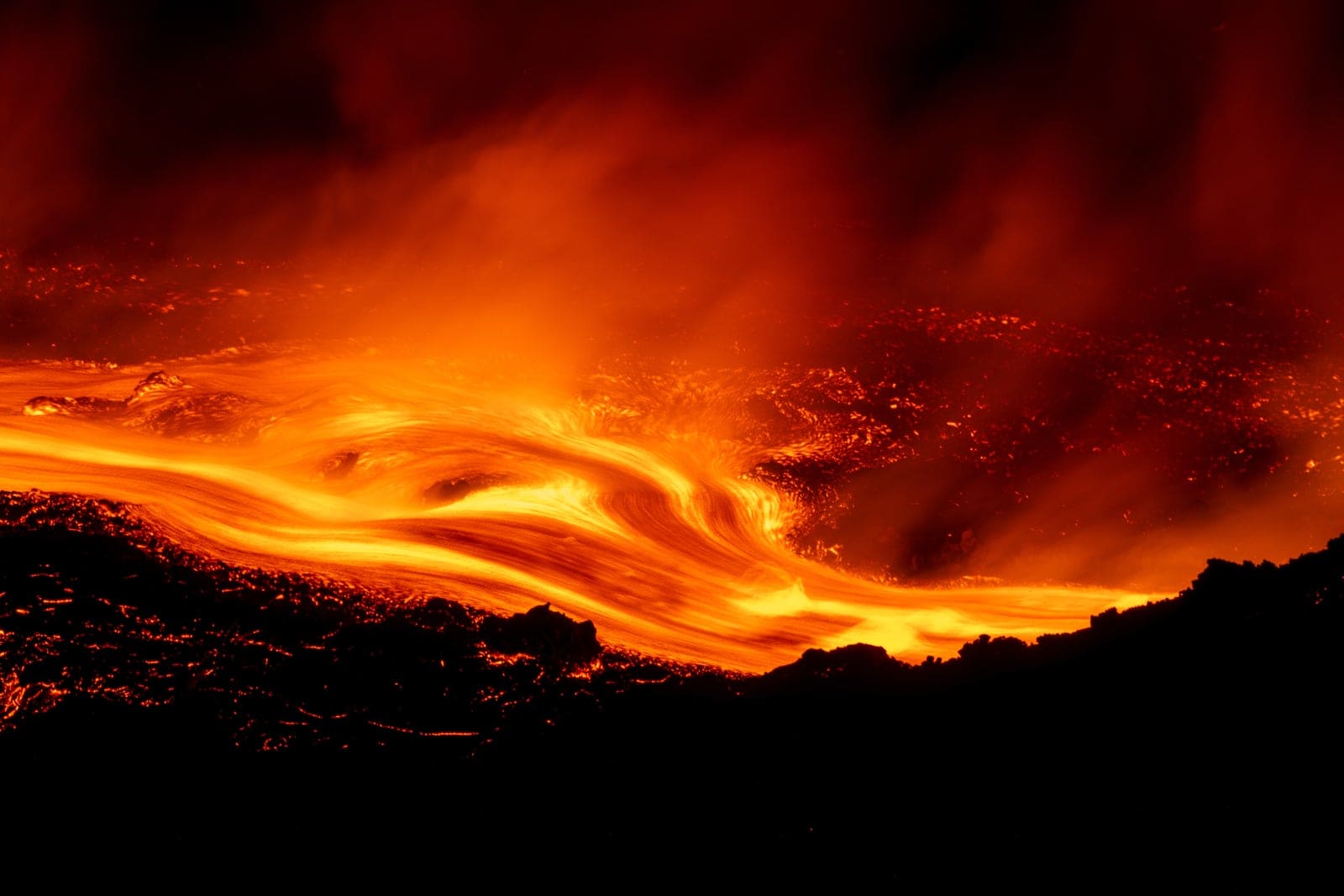
Mount Etna, Europe's tallest and most active volcano, sits just north of the airport. Its frequent eruptions make airspace closures a recurring feature of travel through the region. The National Institute of Geophysics and Volcanology reported continuing effusive activity from eruptive vents, with its aviation alert remaining at red, the highest hazard level for aircraft.
Disruption Spreads to Malta
The ash plume traveled 220 kilometers south to Malta, where the international airport confirmed flight disruptions on 11 August. While most departures and arrivals later resumed, cancellations and delays affected routes to Edinburgh and Paris. Passengers waiting in Malta's terminal sat on luggage as airlines worked through the backlog at the height of summer travel season.
Malta's airport advised travelers to verify flight status before heading to the terminal, though operations appeared largely normalized by the following day.
Overflow Strains Other Sicilian Airports
The prolonged closure at Catania pushed traffic to Sicily's other airports during one of the busiest travel weeks of the year. Palermo Mayor Roberto Lagalla said his city's airport absorbed 190 flights originally scheduled for Catania in recent days.
The sudden influx created bottlenecks. Passengers rerouted to Palermo reported difficulty finding buses and taxis for onward travel as demand spiked. Airport operators noted delays from the extra volume.
Comiso, a smaller facility south of Catania, also took on diverted flights but briefly suspended operations Tuesday evening as ash drifted over its airspace. The airport returned to full service by Wednesday, according to Italian news agency ANSA.
A Familiar Pattern
Catania Airport faces regular shutdowns tied to Etna's activity. A similar eruption in July forced the cancellation of all flights. The volcano's location and the prevailing wind patterns mean even moderate eruptions can scatter ash across critical flight corridors.
For travelers heading to or through Sicily, volcanic disruption is less a rare event than a periodic reality. The island's geography ties its main gateway directly to the behavior of a volcano that has been erupting, in various forms, for thousands of years.
Airlines and airport authorities have grown practiced at managing the closures, but the unpredictability of eruption timing and ash dispersion means plans can shift with little notice. During peak season, when flights run near capacity and hotels fill up, even a day's delay can cascade through itineraries and accommodations.
The current eruption offers no clear timeline for resolution. Volcanic activity can subside in hours or stretch across days, leaving passengers and operators to monitor updates in real time.