What Happened
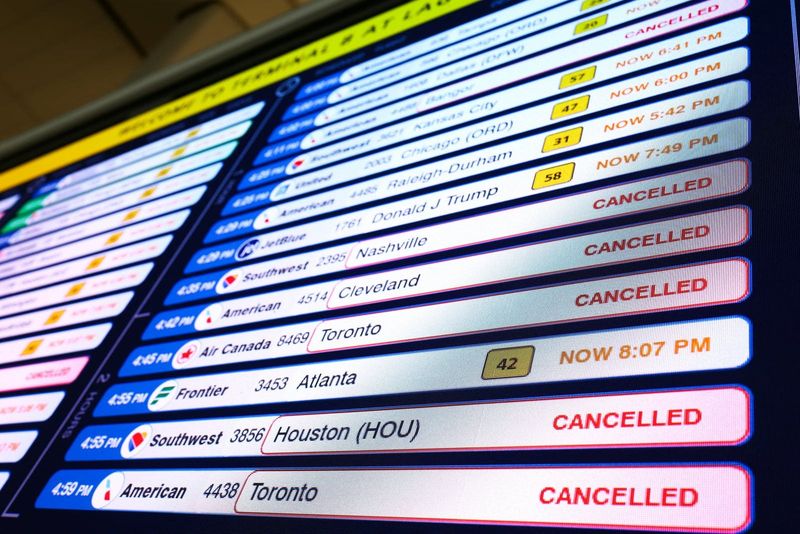
Flights across the United Kingdom came to a standstill on the morning of 21 September when National Air Traffic Services experienced what it described as a connectivity issue at its Prestwick Centre. The engineering fault initially affected airports north of Manchester but quickly spread southward, eventually grounding approximately 200 flights by mid-afternoon.
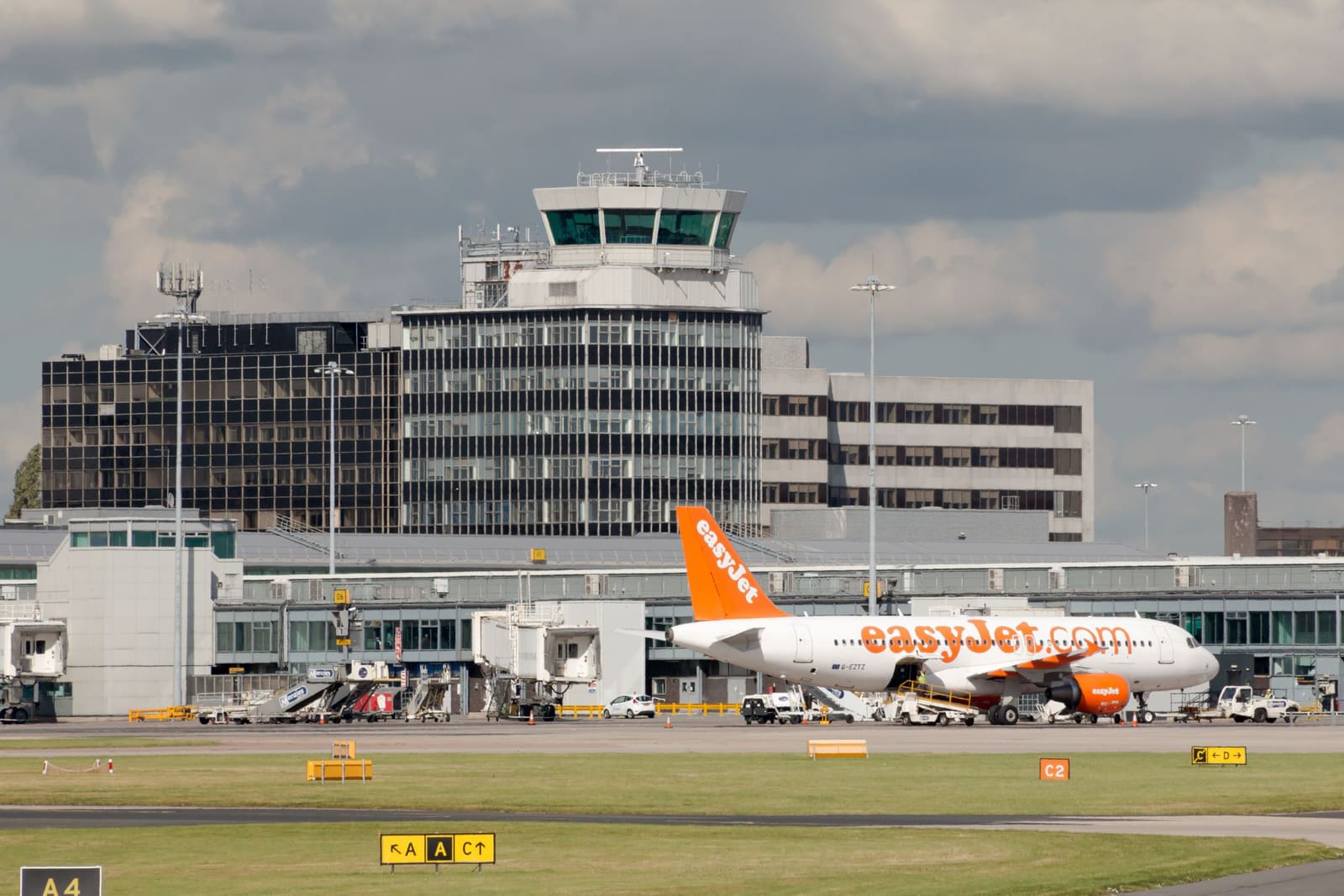
Manchester Airport alerted passengers at 9:58am, warning of delays caused by a technical problem with NATS systems. A minute later, London City Airport issued its own statement, confirming disruption and advising travellers to check with airlines. By 4pm, NATS reported the issue had been resolved, though the knock-on effects continued to ripple through schedules.
The Prestwick Centre, which manages air traffic over Scotland and northern England, is one of two control centres operated by NATS. When a fault occurs at either facility, the consequences extend far beyond the immediate region, as flight paths and airspace allocation across the country are interdependent.
A Pattern Emerging
This marks the second major NATS disruption in a week and the third in as many years. Just days earlier, a separate software glitch had caused widespread delays, though officials have not confirmed whether the two incidents are related. In late August, around 2,000 flights were affected by a system failure that prompted airline executives to call for the resignation of NATS chief executive Martin Rolfe.
The frequency of these failures has begun to erode confidence in the UK's air traffic infrastructure. Britain operates one of the world's busiest airspaces, handling thousands of flights daily across congested corridors linking Europe, North America, and the Middle East. When the system falters, the effects cascade quickly.
Julia Lo Bue-Said, chief executive of Advantage Travel Partnership, called the latest incident "completely unacceptable" and criticised NATS for failing to improve resilience despite repeated disruptions. She noted that the cumulative impact on passengers, airlines, and the broader travel industry has been severe, with holidays cancelled and business travel disrupted at significant economic cost.
Why Failures Hit Hard
Air traffic control systems are designed with redundancy, but even brief outages can cause hours of delays. When controllers lose connectivity or data, they must revert to manual processes or halt departures entirely until the issue is resolved. Aircraft already in the air can usually continue to their destinations, but new departures are grounded until normal operations resume.
The disruption extends beyond cancelled flights. Crew schedules unravel, aircraft end up in the wrong airports, and passengers miss connections. Airlines face compensation claims under UK regulations, and airports lose revenue from stranded travellers who never reach the terminal.
For passengers, the experience is frustrating and often costly. Rebooking can take days during peak travel periods, and not all expenses are covered by airline compensation schemes. Business travellers miss meetings, families lose holiday time, and the trust that underpins air travel erodes a little more with each incident.
What Comes Next
NATS is now under intense scrutiny from both government regulators and industry stakeholders. The Civil Aviation Authority, which oversees air traffic services in the UK, is expected to investigate the root causes of the recent failures and assess whether NATS has adequate contingency measures in place.
Industry leaders are calling for more than just technical fixes. They want to see evidence of systemic improvements, including better testing protocols, faster fault resolution, and clearer communication during disruptions. Some have suggested that NATS should face financial penalties if it fails to meet reliability standards, shifting the economic burden away from airlines and passengers.
For now, travellers flying through UK airspace will be watching closely to see whether NATS can restore confidence in its systems. The pattern of recurring failures suggests that deeper structural issues may be at play, beyond the technical faults that trigger each individual incident. Whether the organisation can address those underlying problems will determine how often passengers face scenes like those on 21 September.