A Trade-Off at the Checkpoint
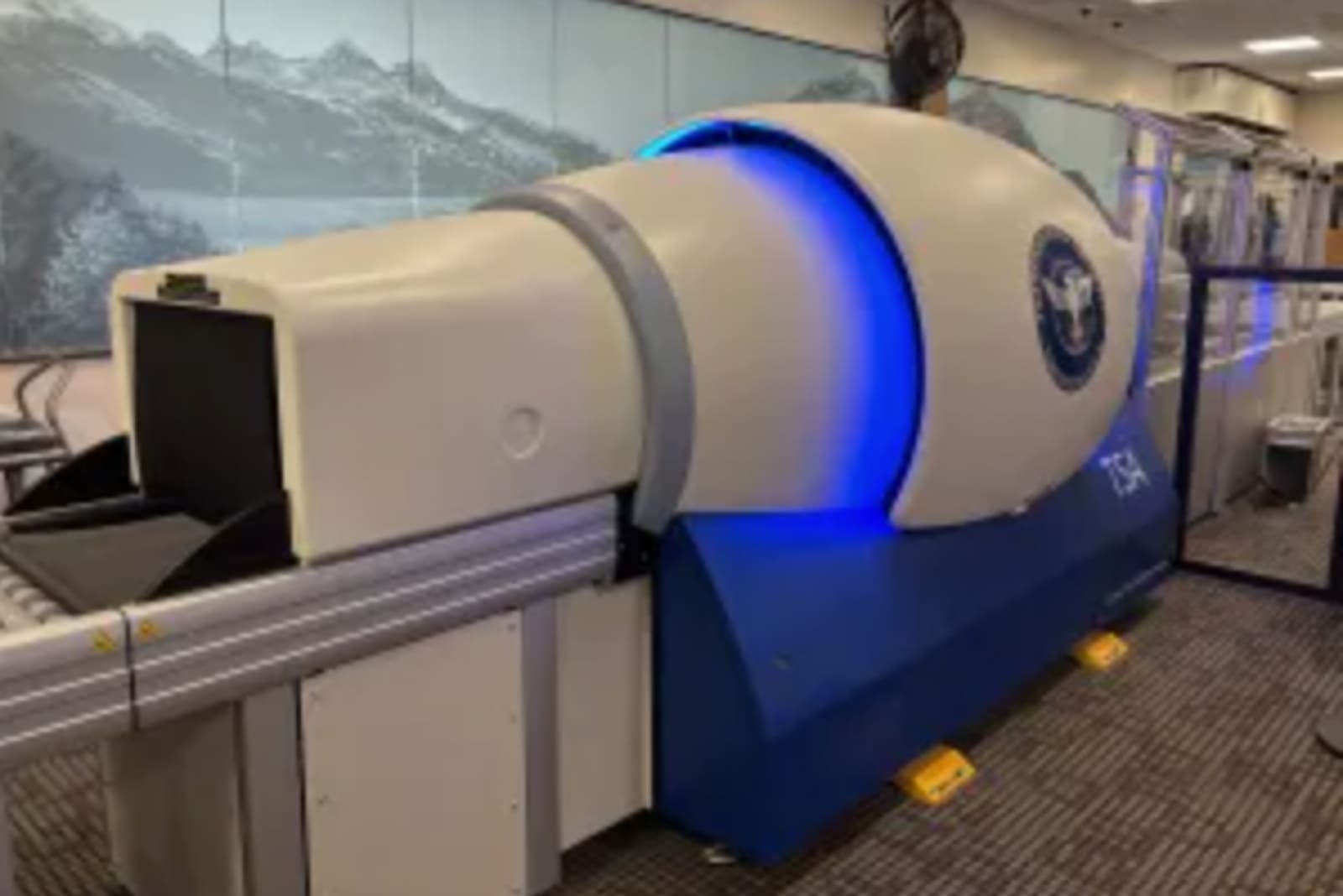
The Transportation Security Administration is deploying a new generation of computed tomography scanners across US airports, and whilst the technology promises quicker screening and fewer bag searches, it introduces a fresh constraint: a narrower tunnel that may reject carry-ons travellers have long managed to slip through older machines.
The updated scanners produce three-dimensional images of bag contents, allowing officers to rotate and examine items on screen without unpacking electronics or liquids. That convenience, however, comes at the cost of a physically smaller aperture, according to the TSA. The agency insists the tighter dimensions are essential to the imaging hardware's performance.
Most carriers permit carry-ons measuring up to 22 inches by 14 inches by 9 inches, and bags within those parameters should pass through the new equipment without issue. The difficulty arises for travellers who routinely push or exceed those guidelines, a common sight at boarding gates. Bags that once cleared security by a margin may now require gate-checking if they cannot enter the scanner.
What the Technology Delivers
The shift to CT imaging eliminates several longstanding rituals at the checkpoint. Laptops, tablets and other electronics can remain nested in luggage, and passengers no longer need to extract toiletries or separate layers of clothing for manual inspection. Officers can manipulate the 3-D rendering to inspect suspicious shapes from multiple angles, reducing the frequency with which they must open and rummage through bags by hand.
That capability has been rolled out gradually. Juneau International Airport in Alaska recently installed the scanners, and the TSA continues to expand deployment at hubs across the country. The agency frames the technology as a net gain for throughput and passenger experience, provided travellers respect published size limits.
The Compliance Question
Enforcement has always been uneven. Gate agents and security officers exercise discretion, and many oversized bags have historically made it onto aircraft without challenge. The new scanners, by contrast, impose a physical gate: if the bag does not fit the opening, it does not pass.
The TSA has urged passengers to measure luggage before departure and adhere to airline specifications. Officers remain available to assist with unusually shaped items or accessibility needs, but the underlying message is clear: the margin for creative packing has narrowed.
For frequent flyers accustomed to maximising every inch of allowable space, the shift may feel like a step backward even as the technology itself advances. The trade-off is faster lanes and fewer manual inspections, but only for those willing to pack within the lines.
What It Means for Packing Strategy
Travellers who have long relied on carry-on-only trips to avoid checked-bag fees and baggage claim delays may need to recalibrate. Soft-sided bags that compress to fit older scanners may no longer work if their frame dimensions exceed the aperture. Hard-shell cases, already less forgiving, face the same constraint.
The scanners do not change airline policies, but they do tighten the bottleneck at security. A bag that meets the printed dimensions will still clear; one that relies on flexibility or lenient enforcement may not. The result is likely to be more involuntary gate checks and a renewed focus on compact luggage design.
The technology itself represents a meaningful upgrade in detection capability and passenger convenience. Whether travellers view the narrower opening as an acceptable cost will depend largely on how closely their current bags hug the official limits.