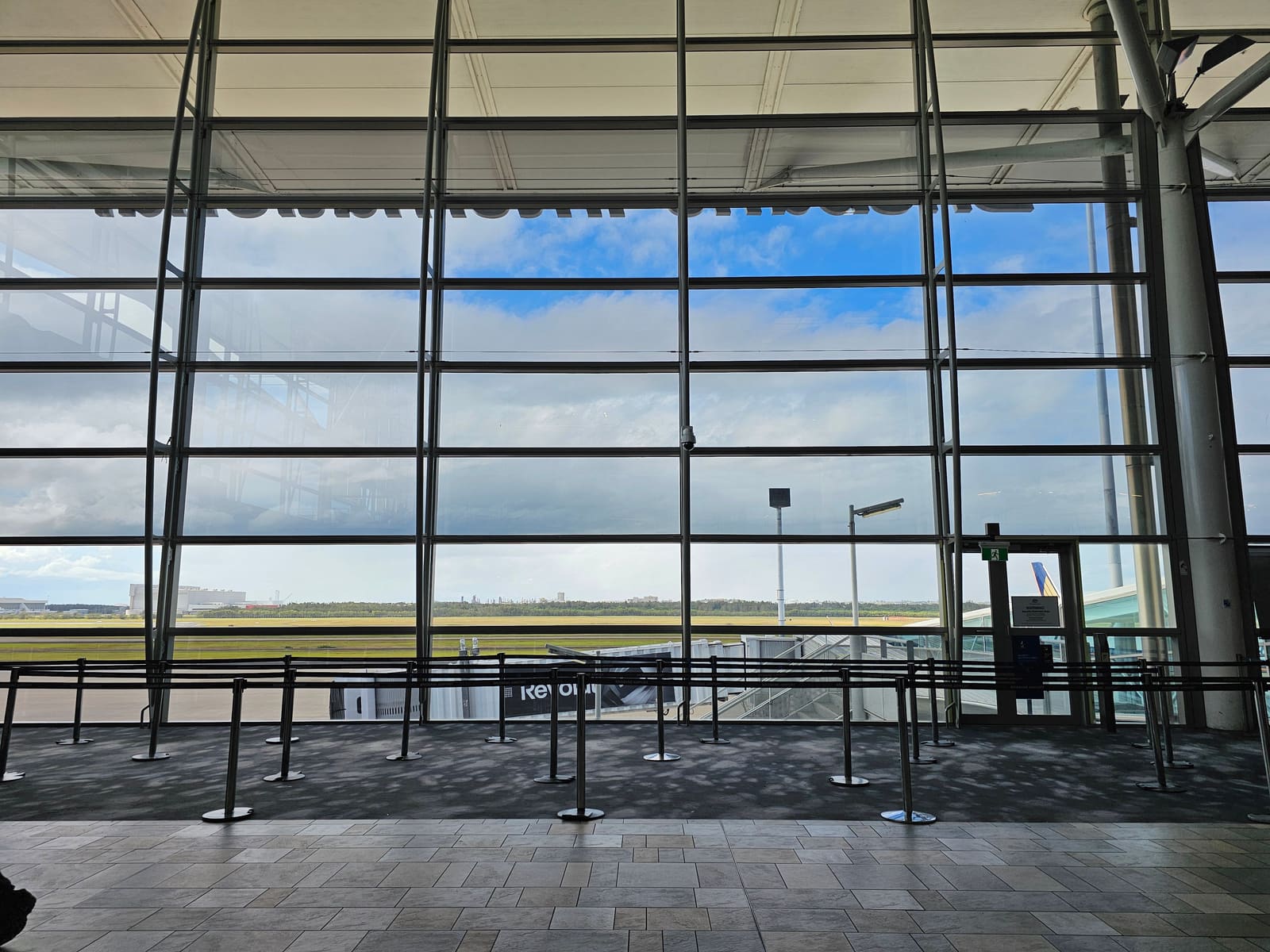
Widespread Cancellations Across Three Airports
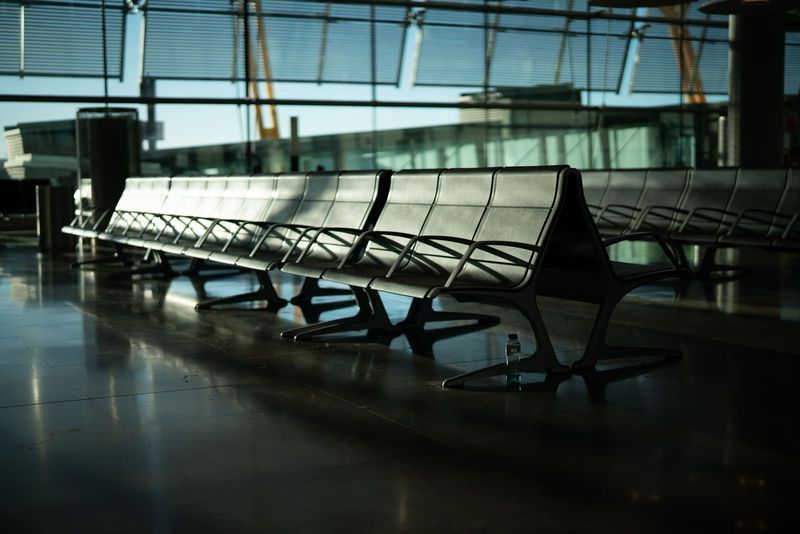
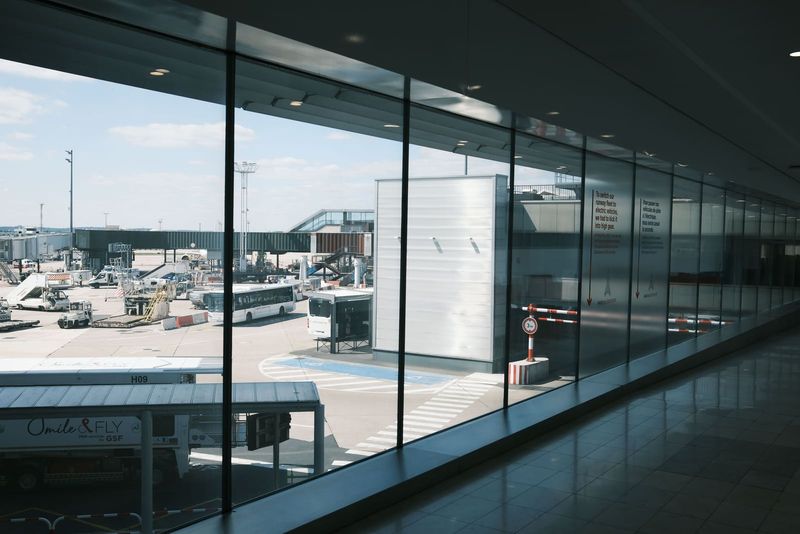
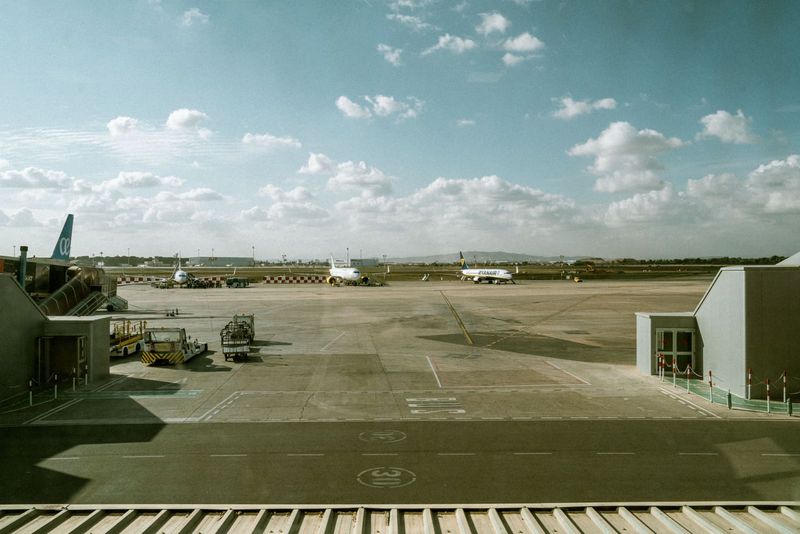
Portugal's aviation network took a direct hit on Wednesday as Storm Charles tore through the country, forcing airlines to ground 213 flights across Lisbon, Porto and Faro airports. Lisbon's Humberto Delgado airport bore the brunt with 184 cancellations by mid-morning, while Porto and Faro reported 17 and 12 scrapped services respectively, according to Flightradar24 tracking data.
The disruption marks the second major weather event to strike Portugal in less than a week. Storm Bruna had already brought torrential downpours and turbulent seas on 5 November, leaving infrastructure vulnerable and authorities on high alert as Charles approached.
ANA Aeroportos de Portugal, which operates the country's main terminals, issued a blanket advisory urging travellers to verify flight status directly with carriers before leaving for the airport. The warning reflected forecasts predicting sustained operational challenges through the middle of the week.
Red Alerts Blanket Mainland and Island Territories
Portugal's meteorological authority, Instituto Português do Mar e da Atmosfera, escalated warnings to red and orange levels for large swathes of the mainland alongside the Atlantic islands of Madeira and Porto Santo. The highest-risk zones lay in mountainous regions, where terrain amplifies wind speeds and rainfall accumulation.
Peak gusts were forecast to surpass 140 kilometres per hour, a threshold that can topple trees, damage roofing and turn unsecured objects into projectiles. Rainfall projections added to the hazard profile, raising the spectre of flash flooding in urban areas and landslides on slopes already saturated by Bruna's passage days earlier.
The red designation, the most severe tier in Portugal's warning system, signals conditions that pose a direct threat to life and property. It typically triggers automatic protocols across government agencies, from emergency services to transport operators.
Public Life Shuts Down for Safety
In response to the red alerts, Portuguese authorities ordered the closure of all non-essential public services on 11 November. Courts postponed hearings, schools sent students home and cultural sites including national monuments locked their doors. The sweeping shutdowns aimed to keep residents indoors and reduce the strain on emergency responders.
The UK Foreign, Commonwealth and Development Office echoed the domestic warnings, flagging 11 November as the day of greatest risk. Its travel advisory highlighted the potential for flooding, landslides and falling trees, noting that closures could be announced with minimal notice as conditions evolved.
The advisory also pointed British travellers toward MeteoAlarm, a pan-European platform that aggregates national weather warnings, and urged compliance with instructions from local civil protection authorities.
TAP Adjusts Schedule, Waives Change Fees
TAP Air Portugal, the country's flag carrier, confirmed that operations on Tuesday and Wednesday would face significant disruption. In a statement, the airline said it had already reconfigured schedules based on advance forecasts and would continue making real-time adjustments to prioritise passenger and crew safety.
To ease the burden on affected travellers, TAP announced a fee waiver for ticket changes. Passengers holding reservations issued by 10 November for travel through 11 November were permitted to rebook on flights departing up to 17 November without incurring penalties. The gesture, standard during large-scale weather events, helps airlines manage capacity while offering stranded passengers a clear path forward.
The airline did not specify how many of its own flights were cancelled, but the carrier operates a substantial share of services at Lisbon, meaning its adjustments likely accounted for a significant portion of the 184 cancellations at the capital's airport.
Coastal Communities Brace for Dangerous Seas
Beyond aviation, Storm Charles posed acute risks along Portugal's extensive Atlantic coastline. Forecasters warned of dangerous coastal conditions, a catch-all term encompassing high surf, storm surge and rip currents capable of overwhelming sea defences and endangering anyone near the water.
Coastal flooding remains a persistent concern in Portugal, where centuries-old towns and modern developments alike hug the shoreline. The combination of spring tides and storm-driven waves can inundate low-lying streets, damage port infrastructure and erode beaches that underpin the country's tourism economy.
Authorities typically close beaches and issue stay-away orders for cliffs and breakwaters during red-level coastal warnings. Fishing fleets, a vital part of the economy in towns from the Algarve to the northern coast, were expected to remain in port until conditions improved.
Why Two Storms in One Week Matters
The arrival of Charles so soon after Bruna underscores a vulnerability that climate researchers have been tracking across southern Europe. Sequential storms leave less time for water to drain from saturated soils, increasing the likelihood that even moderate rainfall will trigger landslides or overwhelm drainage systems.
Portugal's mountainous interior, where much of the country's hydroelectric capacity and agricultural land is concentrated, is particularly susceptible. Slopes denuded by summer wildfires, a recurring challenge in the region, lose their ability to absorb rainfall, turning hillsides into conduits for fast-moving debris flows.
The economic toll extends beyond immediate repair costs. Portugal's tourism sector, which accounts for roughly 15 per cent of GDP, depends on reliable air links and a reputation for mild, predictable weather, especially during the shoulder season when travellers seek alternatives to colder northern climates. Repeated disruptions can nudge visitors toward competing Mediterranean destinations.
What Travellers Should Do Now
Anyone with plans to visit Portugal in the coming days should treat flight confirmations as provisional. Even after the red warnings expire, residual delays and cancellations are common as airlines reposition aircraft and crews displaced by the initial disruption.
Checking MeteoAlarm before departure provides a granular view of conditions in specific regions, useful for travellers whose itineraries extend beyond Lisbon or Porto into rural areas where road closures and power outages can linger. Travel insurance policies that cover weather-related cancellations typically require proof of warnings issued by official meteorological agencies, making documentation important for anyone seeking reimbursement.
For those already in Portugal, the safest course is to stay indoors on high-alert days, avoid coastal areas and monitor updates from local civil protection services. Hotels and accommodation providers are generally well-versed in storm protocols and can offer guidance on safe routes and essential services that remain open.
Storm Charles is expected to weaken as it moves northeast, but its passage serves as a reminder that Atlantic weather systems can intensify rapidly and that the infrastructure supporting modern travel remains at the mercy of wind and water.